


Diamond Saw Blade
What Is Diamond Saw Blade?
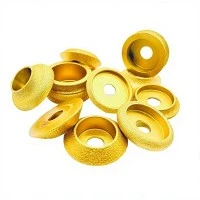
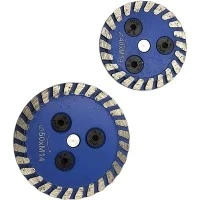
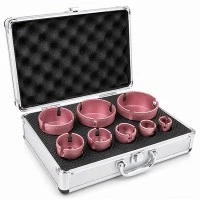
Diamond saw blades are created by gluing diamond grit towards the blade's steel body, resulting in a harder, more robust blade capable of cutting even the hardest materials.
Why Choose Us
Rich Experience
Located in Asia's largest diamond tool production base, many years of experience in this industry, the brand has considerable popularity in the industry.
R&D Capability
Deep cooperation with many high efficiencies diamond cutting field, with full-time and part-time 5-10 people R & D team, can adapt to multiple harsh working conditions of cutting, grinding product development.
Shipping Service
We have established a robust shipping service offered to ensure timely and secure delivery of orders worldwide.
Reliable Supply
We offer a vertically integrated supply chain model to ensure reliable long-term supply and complete traceability.

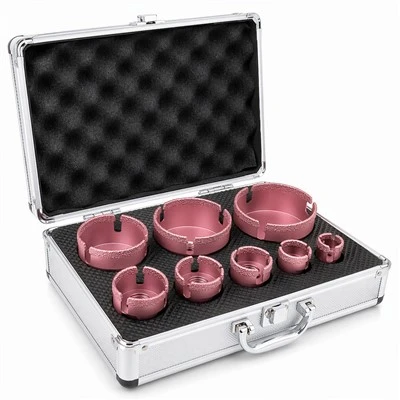


Speed
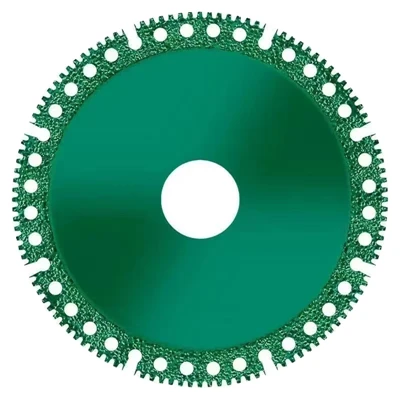
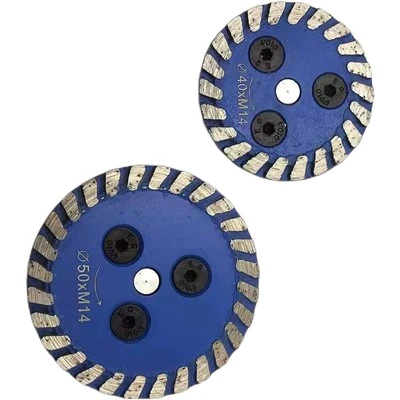
Speed is important in any concrete cutting project. The faster you finish the cutting, the better your chances of earning more money are in the process. You can use the turbo blade design to cut concrete faster. Turbo blades come with a continuous outer rim with a serrated edge which helps the blade withstand high speeds while still being precise.
Durability
Diamond saw blades are extremely durable compared to other types of concrete cutting blades on the market. The diamond blade is made using a circular steel disk with segments on the outer edge. These segments are made from a combination of diamonds and metal bond powder. They are fused under high pressure and heat. This process not only makes the blade efficient but also very durable.
Precise And Smooth Cutting
Diamond blades have a high level of precision compared to other concrete cutting blades. The low vibration is one factor that contributes to the precision of the blade. The cutter can position the blade a lot more precisely without causing a mess.
Diamond blades are also ideal for smoother cuts. The high-performance nature of diamond blades makes sure it gives a smoother cut. A smooth cut will also reduce the strain the concrete structure has to endure when cutting.
Comfortable To Use
Cutting concrete with a diamond saw blade results in cuts with far less chipping and breakages. The blade will produce less noise compared to other types of cutting blades.
It will also evacuate the slurry and minimise dust generation during the cutting process. As a result, diamond blades are more pleasant and comfortable to use compared to other types of saw blades.
How do Diamond Saw Blade work?
Diamond blades are an investment. They are not the cheapest option in the market, but their great resistance, accuracy while cutting, and durability make them worthy. Diamonds are the hardest mineral, meaning that they will cut and grind any other material without tearing down.
So, what can a diamond blade cut? Here are some examples:
- Concrete and reinforced concrete
- Granite, slate and other natural stones
- Bricks
- Marbles
- Glass
- Tiles and pavers made of any of the previous materials
As you can see, diamond blades can cut through tough materials like stone. But you should also make sure that you are using the proper tools and machines like a tile saw or a masonry saw with the proper blade diameter.
But keep in mind that even if it is a blade, it does not actually cut but grind. As explained above, diamond particles scratch every material until it goes all the way through it, meaning that it does not need sharp teeth that could be dangerous for the user but still work perfectly with hard materials.
How are Diamond Blades Made?
Diamond blades are made up of two components: The steel core and the segment.


1. Steel Core: Support Part
The core is typically a round flat metal disc used to support the outer segments. The diamond can be attached to the core using vacuum brazing, sintering, or laser welding.
Vacuum Brazed or Sintered Attachment
The process level used to manufacture the core is related to the attachment methods. Lower cost, higher volume blades use either a vacuum brazed or sintered attachment process. Vacuum brazed and sintered blades are intended for dry cutting soft material on low horsepower equipment. The cores used for these blades are typically very simple and do not undergo many of the steps of the blades for more aggressive applications.
Laser Welded Attachment
Of the three most common forms of attaching the segments to the core, and by far the method that yields the strongest bond to the core, is laser welding. As the pioneer in laser welding, Norton continues to develop and perfect laser welding techniques. The more aggressive applications for diamond blades involve the use of higher horsepower equipment wet cutting harder materials to much greater cut depths. The steel cores for these aggressive applications are thicker, heat-treated, precision-ground, and tensioned. The additional thickness and heat treatment allows the core to withstand the flexing stress of the heavier equipment and higher horsepower. The precision grind on the surface minimizes the drag while the tensioning establishes the flatness of the blade at a specific rpm range.
2. Segment: Cutting Part
The segment is made up of two components: diamond and metal bonds.
Diamond Crystals (Cut)
The diamond used is manufactured or synthetic as opposed to natural. Manufactured diamond is preferred over natural diamond because key characteristics like crystal shape, size, and strength can be closely controlled through the manufacturing process. The ability to control the key characteristics of the synthetic diamond allow for accurate prediction of cutting speed and blade life as well as consistent repeatability. Some other important factors to consider about diamond are the:
- Amount of diamond in the segment
- Quality of the diamond in the segment
- Size of the diamond in the segment
- Amount of Diamond
The amount of diamond in the segment is variable and requires more horsepower as the content of diamond is increased in the segment. Simply put it means that as more diamond is added to the segment more horsepower is needed to make the blade cut. In practical terms this means that blades for high horsepower saws will have more diamond in the segment.
Quality of the Diamond
The quality of the diamond determines the ability of the individual diamond to resist heat and maintain a sharp point. Better diamonds can hold a point longer at higher temperatures.
Size of the Diamond
Finally the last thing to consider is the size of the diamond. The individual’s diamond sizes are specified in mesh ranges like 25-35 or 50-60. The higher the numbers the finer the individual particles. In practical application finer diamond is used for critically-hard material like Chert or Quartz while the larger more coarse diamond is used for soft materials like asphalt and soft red clay bricks.
Bonding System (Wears)
The bond is a mixture of metal powders used in various combinations to achieve specific wear rates. A correctly-formulated bond holds the diamond in place, just long enough to get maximum use from the diamond points before releasing the stone and exposing the next layer of diamond.
The wear rate for the segment can be simplified to the ability of a metal to resist wear from abrasion. Metals with low abrasion resistance like bronze are considered soft. The soft bonds are mostly made up of soft metals like Bronze and are common when cutting very hard less abrasive material like porcelain. The hard bonds are mostly made up of hard metals like Tungsten Carbide and are common when cutting very soft abrasive materials like asphalt or freshly poured concrete.
The best way to remember bond-to-material application is “opposites attract” - hard bonds for soft abrasive materials while soft bonds are used for hard less abrasive materials. In some extreme cases, it is possible to simply judge the hardness of the blade by noticing the color of the segment. Because soft blades contain a majority of Bronze, the soft blades for extremely hard materials will have a yellow tint to the segment.
Types of Diamond Blades
While using diamond blades for cutting stone and concrete is effective, not all diamond blades are equal. Certain blades are better for different applications, depending on the material you’re cutting and the type of cut you need. The three types of blades include:
Segmented rim: The segmented rim is also known as the dry cutting blade because it works with many dry applications. This blade also offers the roughest cut of the three options, making it ideal for concrete, brick and limestone.
Turbo rim: This is the go-to blade for the fastest cuts in wet or dry applications. Designed with serrated edges, this blade is meant to make fast and smooth cuts in materials such as tile and natural stone.
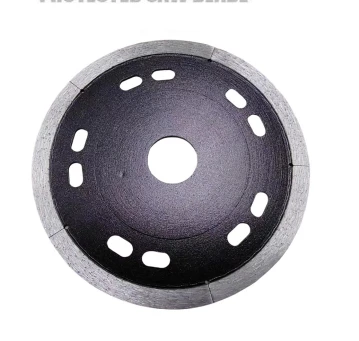
Continuous rim: The continuous rim requires water during cutting. This blade also offers the slowest and smoothest cut, making it perfect for marble, granite and porcelain.
Diamond blades are powerful, so it’s essential to handle them with caution. Learning to safely use diamond blades is the first step to making the most out of this impressive tool. Check out these important tips for using diamond blades:
Use protective gear: Before using your diamond blades, you need to get the correct protective equipment. Essential safety gear on construction sites consists of a blade guard, dust mask, protective eyewear, a helmet, ear defenders, work boots, safety gloves and high-visibility clothing.
Choose the right blade: Determine what material you’re cutting and whether you want a rough or fine cut. Once you understand your specific application, choose a diamond blade that’s right for the job.
Understand dry and wet cutting: Dry cutting with a blade that requires water can be dangerous, so it’s essential to understand when you can cut materials dry. If in doubt, review the manufacturer’s specification. Additionally, using a dry cutting technique can cause harmful silica dust to accumulate so make sure to always wear the correct mask protection.
Inspect and maintain your blades: Thoroughly inspect your saw and blades before you start to cut. When examining the blade, look for impairments such as cracks, chips, gouges, or missing tips. While it’s normal to have some wear and tear, missing segments or damaged blades can slow down your work and become serious safety hazards.
Yes, certain diamond blades can cut through metal, but this will depend entirely on the blades application. Most diamond blades are used to cut through concrete, brick, tile, and asphalt. But, not all blades are the same. Different blades mean different applications… Each blade comes with a different styles, shape, and grooves which come into play in it’s ability to cut. Usually, each blade is specialized to cut a certain material or hardness of materials. Take for example, the difference in concrete vs asphalt diamond blades. Some blades are universal and can be used to cut through almost all materials. Before buying any blade, always be sure to do your research and figure out it’s application. Check the product packaging. If you’re not sure, ask someone for help in identifying the application/specialization.
Our Factory
Danyang Sinodream IMP&EXP Co., Ltd. is affiliated to Dongri Group, the main business is importing and exporting elevator, machinery, and automobiles parts, diamond saw blade, alloy saw blade, many kinds of drill bits, cutting tools, grinding tools, power tools and small garden tools. Our products are exporting to the United States, Europe, Middle East and southeast Asia and many other markets.
FAQ