


Tuck Point Groove Blade
What Is Tuck Point Groove Blade?
A Tuck Point Groove Blade, also known as a Tuck Pointing Groove Tool or simply a Tuck Pointing Tool, is a specialized tool used in masonry restoration and brickwork repair.
Why Choose Us
Rich Experience
Located in Asia's largest diamond tool production base, many years of experience in this industry, the brand has considerable popularity in the industry.
R&D Capability
Deep cooperation with many high efficiencies diamond cutting field, with full-time and part-time 5-10 people R & D team, can adapt to multiple harsh working conditions of cutting, grinding product development.
Shipping Service
We have established a robust shipping service offered to ensure timely and secure delivery of orders worldwide.
Reliable Supply
We offer a vertically integrated supply chain model to ensure reliable long-term supply and complete traceability.


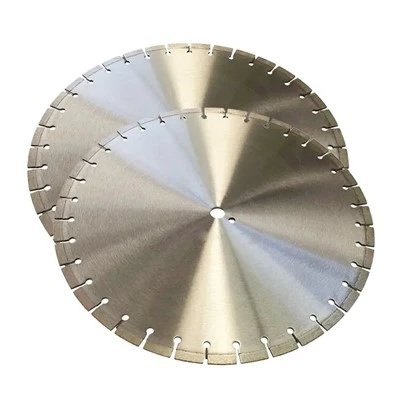
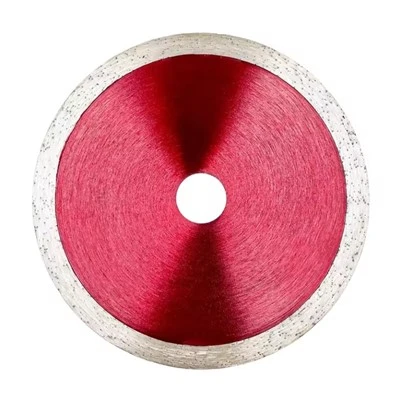
Tuck Point Diamond Blade
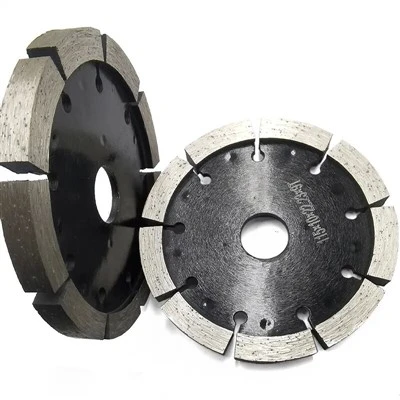
These blades are tailored for tasks that include grout repair, cleaning, and routing cement mortar between the joints on masonry walls. They can remove the damaged mortar while also preparing masonry surfaces for new mortar. They feature the highest-quality diamonds we offer and are compatible with angle grinders (large and small) as well as circular saws.
Double Sandwich Tuck Point Diamond Blades
The double sandwich tuck point blade performs the same tasks as the single-blade version. It's ideal for repairing and clearing grout as well as routing cement mortar between masonry wall joints. However, the addition of a second blade can speed up these processes. So, when you want to finish a project sooner, this can be an upgrade over the single-blade version.
Triple Sandwich Tuck Point Diamond Blades
Lastly, we have the triple sandwich version. Again, this type can carry out the same kinds of work as the single and double-blade versions, such as grout repair and cleaning. It also features the highest-quality diamonds we offer. But, the three-blade design can maximize performance by speeding up work even further than the double sandwich version. Ultimately, this can be the right choice when you want the job done as quickly and efficiently as possible.
Tuck point diamond blade for concrete
Tuck point diamond blade is a kind of saw blade which composed up of heat treated steel core and has powder metal/diamond dust segments. The tuck pointed blade is suitable for making gaps and notches on concrete, brick and stone. It can be used with or withoutwater.
The diamond segment of tuck point diamond blade is thicker than diamond saw blades due to the purpose application. They are mortar removal tools used for crack repair by decorative and restoration contractors. And they allow you to prep stone, granite, marble, concrete brick, block and pavers for new joints and brick cleaning.
All diameter and all segments can be made, laser welding and silver welding are available.
|
Item No. |
Diameter |
Segment Thickness(mm) |
Segment Height(mm) |
Inner Hole |
|
FRDSB-9 |
4"/100mm |
1.8 |
8/10 |
20/22.23mm, M14, 5/8"-11 |
|
4.5"/115mm |
2 |
8/10 |
||
|
5"/125mm |
2 |
8/10 |
||
|
6"/150mm |
2.2 |
8/10 |
||
|
7"/175mm |
2.2 |
8/10 |
||
|
8"/200mm |
2.2 |
8/10 |
||
|
9"/225mm |
2.4 |
8/10 |
||
|
10"/250mm |
2.6 |
8/10 |
The Solid Benefits of Using Diamond Blades
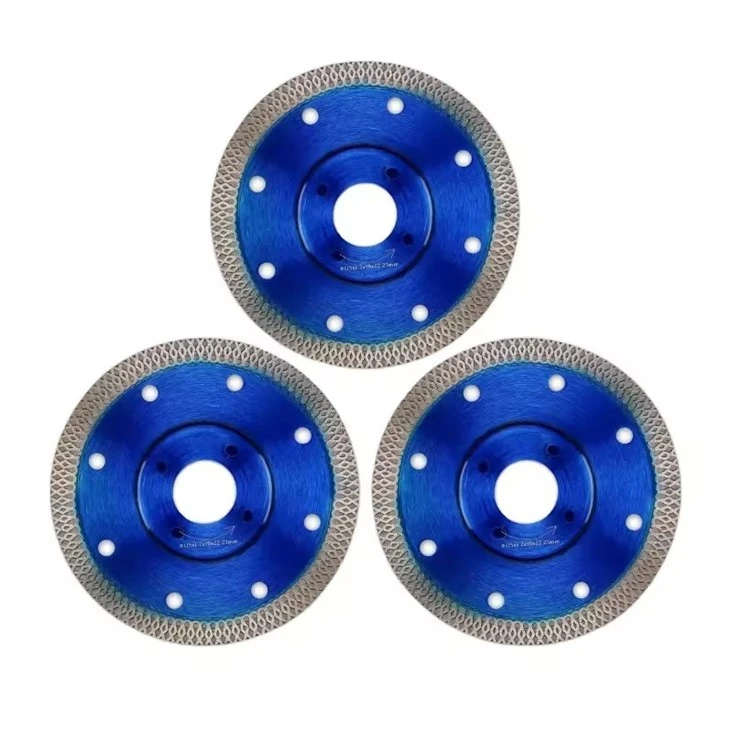
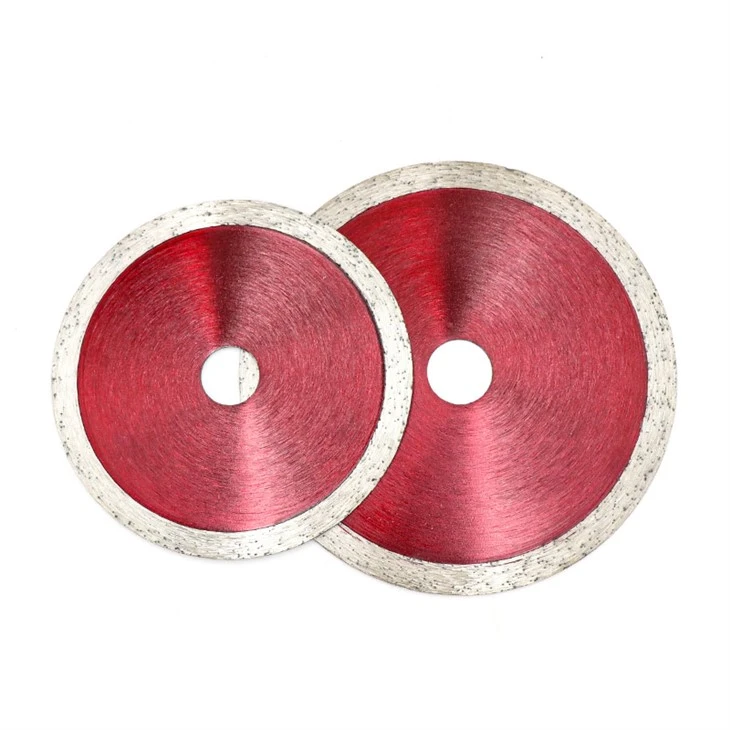

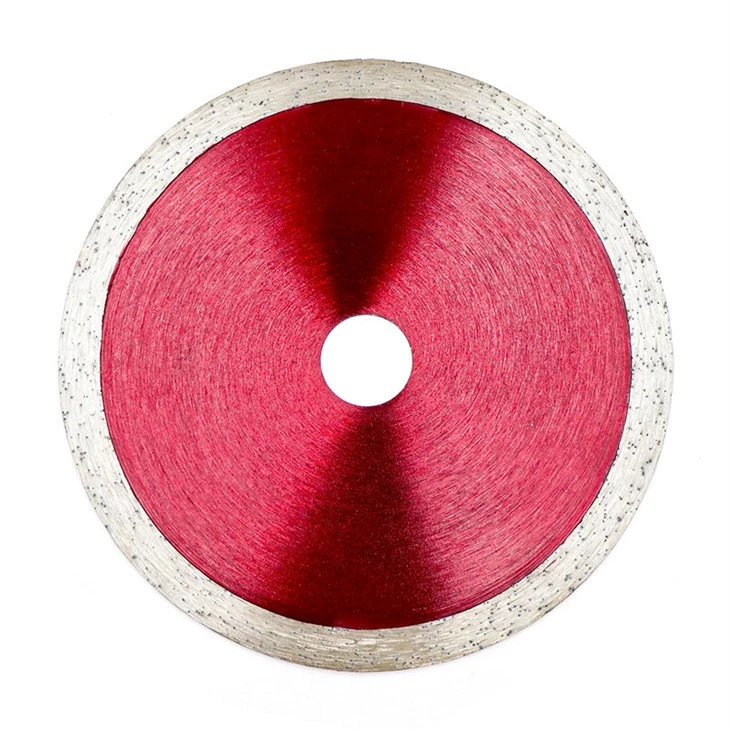
Diamond is the hardest substance on earth. It's useful in many applications beyond expensive jewelry. Diamond's chemical properties make it useful as an industrial abrasive and cutting tool, which is why diamond is often bonded onto many saw blades. Diamond jigsaw blades, circular saw blades, and hole saws are just a small sample of the diamond blades that construction workers and industrial tradesmen use every day. When used to cut materials, diamond is best for non-metallic, abrasive materials such as; concrete, stone, ceramics, and other difficult to grind materials. It's not, however, as useful to cut steel and metals like its cousin CBN. Whether sawing concrete, cutting holes in ceramics, or making precision cuts in fiberglass, a quality diamond blade is mandatory. The benefits of using diamond blades are vast, and they have distinct advantages over conventional abrasive wheels and other cutting blades used to make precision cuts.
How They Work
A circular diamond blade consists of three basic parts: the diamond particles, the bond and the core. The bond holds the diamond in place on the steel core to create the blade. Both synthetic diamond and natural diamond are used. The correct grit size of the diamond is determined by the application. Typically coarse grits are used for fiberglass and concrete applications and finer grits are used in finishing applications on glass and ceramics. A harder bond reduces erosion of the bond and holds the diamond in place longer when cutting softer, highly abrasive materials like asphalt or green concrete. A softer bond breaks down quicker and is best for cutting harder materials such as granite or cured concrete.
Diamond blades don't cut the same way as conventional abrasive or toothed cutting blades do. They don't cut the material, instead they act more like a grinding wheel. Diamond blades don't rip and tear material; the material is ground down by the diamond instead. This cutting method creates a cleaner, more precise cut and typically, depending on the grit size used, won't leave jagged edges. That precision and tight tolerance is the reason the aeronautical, electronic, and automobile industries use diamond blades. It helps them achieve tight tolerances to limit material loss and keep costs down.
Replating and Reuse
Longevity and durability set diamond blades apart from the rest. Initially, a diamond blade is more expensive, but that extra money goes toward the extended life of the blade. The bond is the key to this long life. The bond hardness is the opposite of the hardness of the material. By adjusting the hardness of the bond to fit the material, you can keep diamond on the blade longer. Eventually, all the diamond will wear off. When that happens, send the blade back to us; we will re-plate it for less than the cost of a new blade. Replating your blades will save you time and money!
How To Choose Between A Tuck Point Diamond Blade And Sandwich Blade?
Tuck point blades are used to clear mortar joints and to prep masonry surfaces. When picking a diamond blade for this type of work, you have two main choices, a tuck point blue blaster and a sandwich diamond blade.
The most common choice is the Blue Blaster Tuck Point Blade. This is a super premium blade with high diamond content. It has .250 rim thickness. It is extremely aggressive and has strong blade life. The speed is decent but slower than the sandwich blade options.The lack of speed in comparison is the only draw back to this blade.
The other popular option is the sandwich tuck point blade. This is basically two general purpose blades stacked on top of each other. This is a faster cutting option and in some cases, is even more aggressive than the blue blaster. Sandwich blades are medium quality level, although you can get a laser welded option, but the price jumps up pretty high. Diamond blade life is a little short on this option, but speed is the main benefit.
If you want to buzz through a job and get a smooth fast cut, go with the sandwich option and maybe consider upgrading to the premium version. If you want an aggressive strong cut, go with the blue blaster.
When it comes to cutting through tough materials like concrete, asphalt, or stone, a high-quality diamond blade is your best friend. Diamond blades are engineered to offer precision, durability, and efficiency in a variety of cutting tasks. However, selecting the right diamond blade for your specific needs can be a daunting task with the multitude of options available. In this guide, we will help you navigate the key factors to consider when choosing the perfect diamond blade for your project.
The first and foremost consideration when selecting a diamond blade is the material you intend to cut. Different materials have different hardness levels, and using the wrong blade can lead to inefficient cutting or even damage to the blade. Here are some common material categories and the types of blades suited for each:
Concrete: For cutting concrete, a diamond blade with a soft bond is ideal. Look for a segmented blade with a diamond concentration suitable for the concrete's hardness.
Asphalt: Asphalt blades are designed with undercut protection, and they come with a hard bond to withstand the abrasive nature of asphalt.
Stone: When cutting natural or engineered stone, choose a diamond blade with a continuous rim. The continuous rim design provides a clean and chip-free cut.
Masonry: Masonry blades are versatile and can cut through a range of materials, including bricks, blocks, and pavers. Opt for a segmented or turbo rim blade for masonry tasks.
Blade Diameter
The blade diameter is another crucial factor to consider. It determines the depth of your cuts. Ensure that the blade you choose has a diameter that matches the depth of your cuts. Using a blade with a smaller diameter may not allow you to achieve the desired cutting depth, while a larger blade might be inefficient and cause unnecessary wear.
Wet vs. Dry Cutting
Consider whether your cutting task requires wet or dry cutting. Wet cutting involves using water to cool and lubricate the blade, reducing dust and increasing the blade's lifespan. Dry cutting is suitable for quick, small jobs but may create more dust and wear out the blade faster. Choose a blade that matches your cutting method.
Horsepower and RPM
Ensure that your saw or cutting equipment has the appropriate horsepower and RPM (revolutions per minute) rating to match the blade's requirements. Running a blade on equipment that doesn't meet its specifications can lead to inefficient cutting and premature wear.
Selecting the right diamond blade is essential to ensure the success of your cutting project. By considering factors such as the material type, blade diameter, type, wet or dry cutting, and equipment compatibility, you can make an informed decision and achieve precise, efficient cuts. Remember that investing in a high-quality diamond blade is an investment in the success and longevity of your project. So, before you start your next cutting task, take the time to choose the right diamond blade for the job. Your project's success depends on it!
Our Factory
Danyang Sinodream IMP&EXP Co., Ltd. is affiliated to Dongri Group, the main business is importing and exporting elevator, machinery, and automobiles parts, diamond saw blade, alloy saw blade, many kinds of drill bits, cutting tools, grinding tools, power tools and small garden tools. Our products are exporting to the United States, Europe, Middle East and southeast Asia and many other markets.
FAQ