In the realm of metal working, ensuring the accuracy of metal parts is of paramount importance. As a seasoned metal working supplier, I've witnessed firsthand the challenges and intricacies involved in achieving high - precision results. In this blog, I'll share some key strategies and techniques that can help in guaranteeing the accuracy of metal parts during the manufacturing process.
1. Material Selection
The journey to accurate metal parts begins with the right material selection. Different metals have distinct properties such as hardness, ductility, and thermal conductivity. For instance, stainless steel is known for its corrosion resistance and strength, making it suitable for applications where durability is crucial. On the other hand, aluminum is lightweight and has good machinability, which is ideal for parts that require high - speed machining.
When choosing a material, it's essential to consider the specific requirements of the part. If the part needs to withstand high temperatures, a heat - resistant alloy like Inconel might be the best choice. Additionally, the quality of the raw material also plays a significant role. Low - quality materials can have impurities or inconsistent grain structures, which can lead to dimensional inaccuracies during machining.
2. Precision Machining Tools
Investing in high - quality machining tools is non - negotiable for achieving accurate metal parts. Modern machining tools, such as CNC (Computer Numerical Control) machines, offer a high level of precision and repeatability. These machines are programmed to perform complex operations with extreme accuracy, reducing the margin of error.
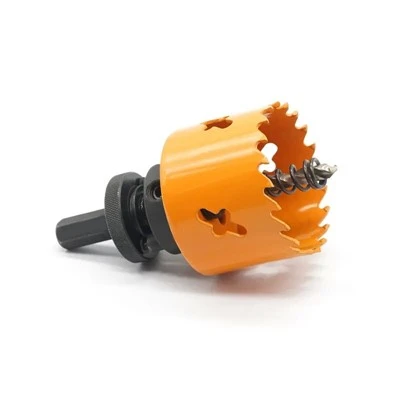
For hole - making operations, tools like the Bi - metal Hole Saw are excellent choices. Bi - metal hole saws are made with a high - speed steel cutting edge welded to a high - strength alloy backing. This combination allows for efficient cutting and long tool life, ensuring consistent hole diameters and smooth edges.
Another popular option is the Hot Sale TCT Hole Saw. TCT (Tungsten Carbide Tipped) hole saws are known for their superior cutting performance and durability. They can cut through a variety of metals with high precision, making them suitable for a wide range of applications.
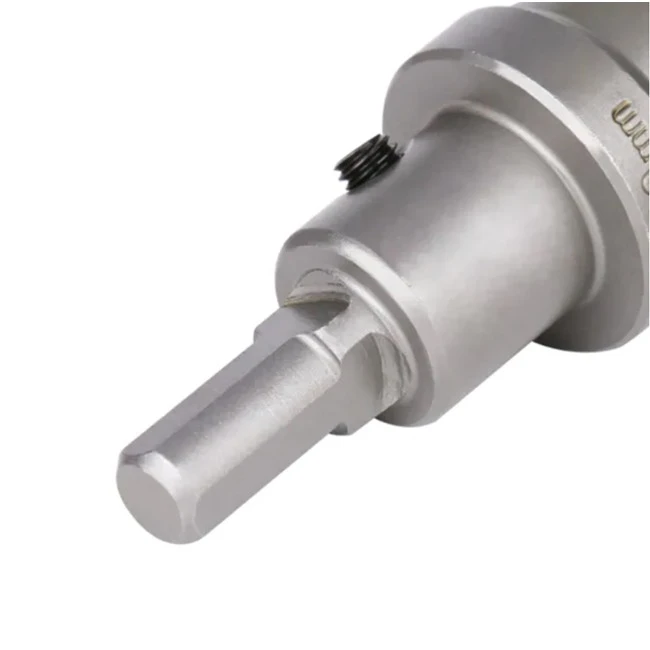

The TCT Hole Saw is also a reliable tool for accurate hole - making. It offers excellent chip removal and can maintain its cutting edge for a long time, resulting in precise holes with minimal burrs.
3. Calibration and Maintenance of Equipment
Regular calibration and maintenance of machining equipment are crucial for ensuring accuracy. Over time, the components of a machine can wear out, leading to deviations in the machining process. By calibrating the machines regularly, we can ensure that they are operating within the specified tolerances.
Calibration involves checking and adjusting the machine's settings to ensure that it produces parts with the correct dimensions. This includes checking the accuracy of the cutting tools, the positioning of the workpiece, and the movement of the machine axes. Maintenance, on the other hand, involves cleaning, lubricating, and replacing worn - out parts. By keeping the machines in good condition, we can prevent breakdowns and ensure consistent performance.
4. Quality Control Measures
Implementing a comprehensive quality control system is essential for ensuring the accuracy of metal parts. This system should include inspections at various stages of the manufacturing process. For example, during the raw material inspection, we can check for any defects or inconsistencies in the material.
In - process inspections can be carried out to monitor the machining operations and ensure that the parts are being produced within the specified tolerances. This can involve using measuring tools such as calipers, micrometers, and coordinate measuring machines (CMMs). CMMs are particularly useful for measuring complex geometries with high accuracy.
Final inspections are also crucial to ensure that the finished parts meet the required specifications. This can involve visual inspections, dimensional checks, and functional tests. By having a rigorous quality control system in place, we can identify and correct any issues before the parts are shipped to the customers.
5. Skilled Workforce
A skilled workforce is the backbone of any metal working operation. Machinists and operators need to have a deep understanding of the machining processes and the tools involved. They should be able to interpret engineering drawings accurately and make the necessary adjustments to the machines to achieve the desired results.
Training programs should be provided to keep the workforce updated with the latest technologies and techniques. This can include training on new machining tools, software, and quality control methods. By investing in the skills of the workforce, we can ensure that they are capable of producing high - precision metal parts.
6. Process Optimization
Continuous process optimization is key to improving the accuracy of metal parts. This involves analyzing the manufacturing process to identify any bottlenecks or areas for improvement. For example, we can look at the cutting parameters such as cutting speed, feed rate, and depth of cut. By optimizing these parameters, we can reduce the cutting forces and improve the surface finish of the parts.
We can also look at the workflow and layout of the manufacturing facility. By streamlining the process and reducing the distance between different operations, we can minimize the handling time and reduce the risk of errors.
7. Environmental Factors
Environmental factors can also have an impact on the accuracy of metal parts. Temperature and humidity can cause the metal to expand or contract, leading to dimensional changes. Therefore, it's important to maintain a stable environment in the manufacturing facility.
This can involve installing temperature and humidity control systems to ensure that the conditions are within the acceptable range. Additionally, vibrations from nearby machinery or external sources can also affect the accuracy of the machining process. By isolating the machines from vibrations, we can reduce the risk of errors.
Conclusion
Ensuring the accuracy of metal parts in metal working is a complex but achievable goal. By focusing on material selection, using high - quality machining tools, calibrating and maintaining equipment, implementing quality control measures, having a skilled workforce, optimizing the process, and considering environmental factors, we can produce metal parts with high precision.
If you're in the market for high - quality metal parts or have specific requirements for your metal working projects, we'd love to hear from you. Our team of experts is ready to assist you in finding the best solutions for your needs. Contact us to start a discussion about your procurement requirements and let's work together to achieve your goals.
References
- Smith, J. (2018). Precision Metalworking: Techniques and Best Practices. Industrial Press.
- Brown, A. (2020). Quality Control in Metal Manufacturing. Wiley.
- Johnson, R. (2019). Advanced Machining Technologies for Metal Parts. Elsevier.