

Hey there! As a supplier of twist drill bits, I get asked a lot about the different parts of these bits and their functions. One of the most frequently questioned features is the margin on a twist drill bit. So, today, let's dive into what the margin on a twist drill bit is and what it does.
First off, what's the margin? If you take a close look at a twist drill bit, you'll notice a thin, raised strip running along the length of the bit's outer edge. That's the margin. It's like a little ridge that goes all the way down the side of the bit.
Now, onto its functions. The main function of the margin is to guide the drill bit as it cuts into the material. When you start drilling, the point of the drill bit makes the initial contact and starts to create a hole. As the bit goes deeper, the margin comes into play. It runs along the walls of the hole, keeping the bit stable and preventing it from wandering off - course. This is super important because if the bit wanders, you might end up with an uneven or mis - aligned hole, which can be a real pain in the neck, especially in precision work.
Another crucial function of the margin is to reduce friction. When the drill bit is spinning and cutting through a material, there's a lot of contact between the bit and the material. Without the margin, the entire outer surface of the bit would be rubbing against the hole walls. This would generate a ton of heat and increase the wear and tear on the bit. The margin, however, is designed to have a small contact area with the hole walls. It acts as a sort of bearing surface, allowing the bit to rotate more smoothly with less friction. Less friction means less heat, which in turn extends the life of the drill bit and improves the quality of the hole.
The margin also helps in maintaining the diameter of the hole. As the drill bit cuts, the margin ensures that the hole stays at the intended size. It acts as a sort of gauge, keeping the hole within the specified tolerance. This is vital in applications where the fit of a component is critical. For example, if you're drilling a hole for a bolt or a pin, the hole needs to be the right size to ensure a proper fit.
Now, let's talk about how the margin affects different types of drilling operations. In general drilling, the margin provides the stability and accuracy we've discussed. But in some specialized applications, the design of the margin can be adjusted. For instance, in deep - hole drilling, a wider margin might be used to provide better support and stability as the bit goes deeper into the material. On the other hand, in high - speed drilling, a more precise margin is needed to handle the increased rotational speed and maintain accuracy.
As a twist drill bit supplier, we offer a wide range of products with different margin designs to suit various applications. For example, our Sds Plus Breakthrough Rotary Hammer Drill Bits Set For Concrete And Masonry are designed with margins that are optimized for drilling into tough concrete and masonry materials. These margins help the bits stay on track and reduce wear, even in the most demanding conditions.
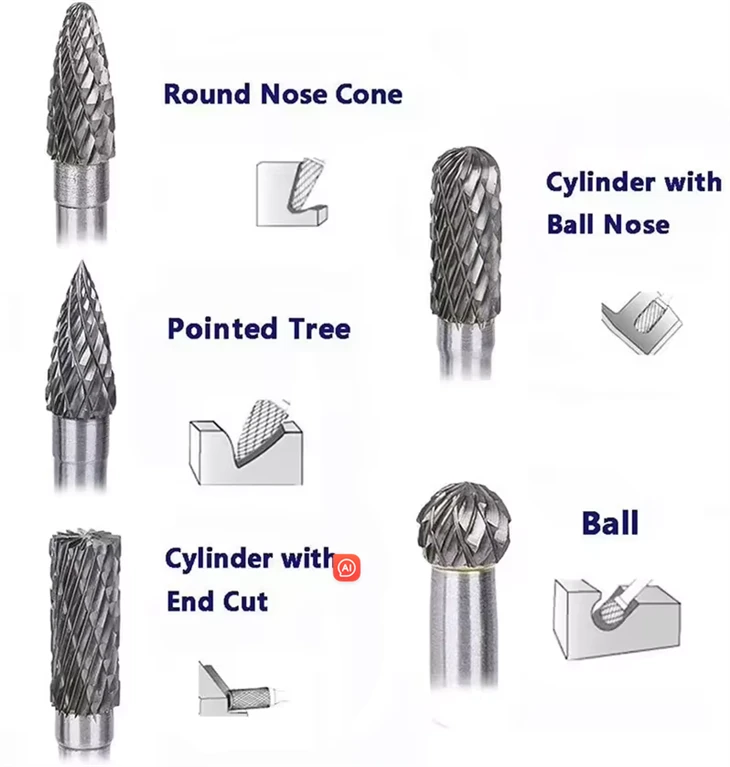
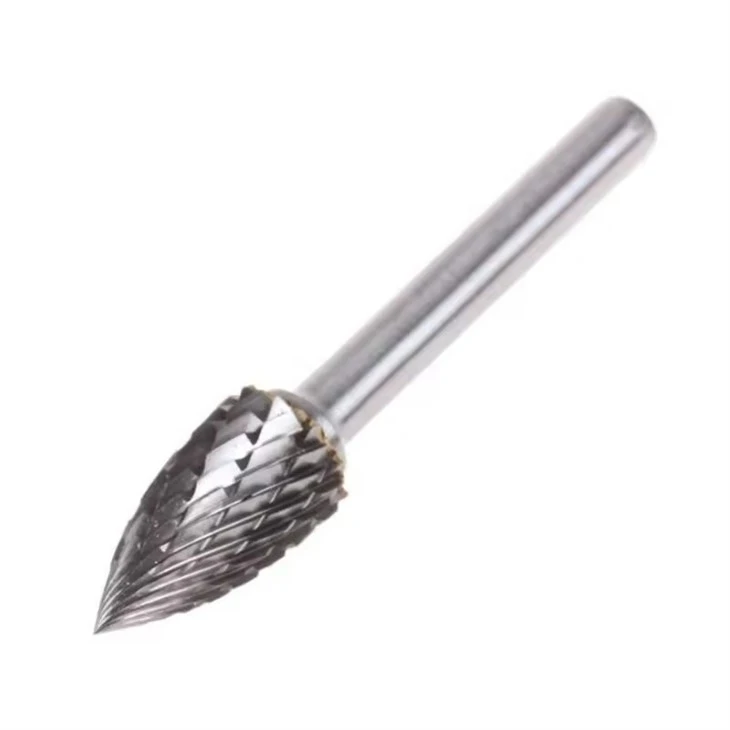
Our Tungsten Carbide Grinder Burrs Carving Tools Mini Rotary Burr 6mm Shank Bits also feature well - designed margins. These bits are used for detailed carving and grinding work, where precision is key. The margins on these bits ensure that the carving is accurate and that the bits don't cause any unwanted damage to the material.
And if you're looking for a drill bit for concrete, our HSS Morse Taper Shank Drill Bit for Concrete is a great option. The margin on this bit helps it maintain a straight path while drilling into concrete, giving you clean and precise holes every time.
When it comes to choosing the right twist drill bit, understanding the role of the margin can make a big difference. Different materials and applications require different margin designs. So, it's important to consider the type of work you'll be doing and the material you'll be drilling into.
We're always here to help you make the right choice. Whether you're a professional contractor or a DIY enthusiast, we've got the right drill bit for you. If you're interested in our products or have any questions about twist drill bits and their margins, don't hesitate to reach out. We're happy to have a chat and help you find the best solution for your needs. You can come to us for further discussions about your purchasing requirements and we'll work together to get you the drill bits that will make your projects a success.
In conclusion, the margin on a twist drill bit is a small but mighty feature. It plays a crucial role in guiding the bit, reducing friction, and maintaining the hole diameter. By understanding its functions, you can make more informed decisions when choosing a drill bit for your next project.
References
- "Drill Bit Handbook" by Industry Press
- "Machining Technology: An Introduction" by John A. Schey






