Can a Hole Saw Be Used on Curved Surfaces?
As a seasoned supplier of hole saws, I often encounter inquiries from customers about the versatility of these tools, especially when it comes to using them on curved surfaces. This blog post aims to delve into this topic, exploring the feasibility, challenges, and potential solutions for using hole saws on curved materials.
Understanding Hole Saws
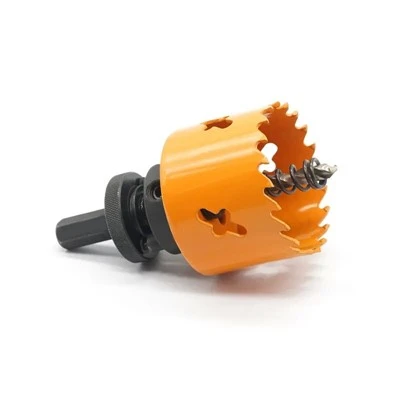
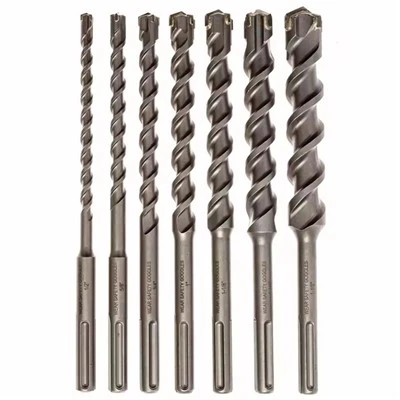
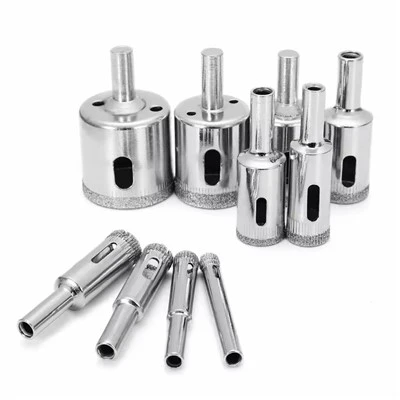
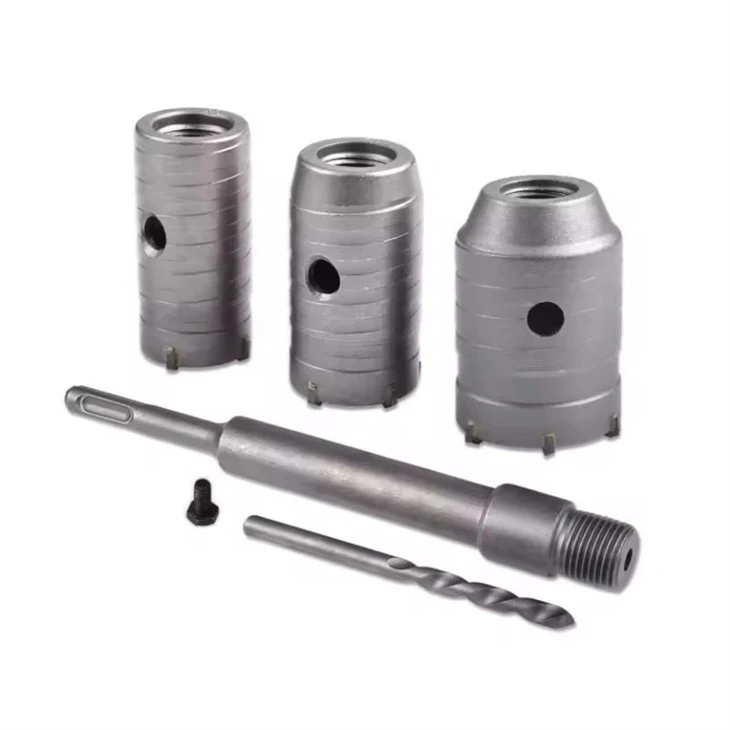
Before we discuss using hole saws on curved surfaces, let's briefly understand what hole saws are. A hole saw is a circular saw blade with teeth on the outer edge, designed to cut holes in various materials such as wood, metal, plastic, and ceramic. They come in different sizes and types, each tailored to specific materials and applications. For instance, Factory Supply Customized Diamond Hole Saw Set is a specialized option for cutting through hard materials like stone and glass, while the Sds Plus Concrete 40mm Drill Bit Hole Saw Core For Wall Concrete Marble is ideal for concrete and marble.
The Feasibility of Using Hole Saws on Curved Surfaces
The short answer is yes, it is possible to use a hole saw on curved surfaces, but it comes with its own set of challenges. Unlike flat surfaces, curved surfaces present irregular contact points between the hole saw and the material. This can lead to uneven cutting, increased wear on the saw teeth, and a higher risk of the saw binding or slipping during the cutting process.
One of the key factors that determine the feasibility is the radius of the curve. For surfaces with a large radius, such as gently curved pipes or rounded edges, a hole saw can be used with relative ease. The larger the radius, the closer the surface approximates a flat plane, reducing the impact of the curve on the cutting process. However, as the radius decreases, the challenges become more pronounced.
Challenges of Cutting Curved Surfaces
- Uneven Contact: When a hole saw is applied to a curved surface, the teeth do not make uniform contact with the material. This can result in some teeth cutting more aggressively than others, leading to uneven wear and a rough cut finish.
- Stability: Maintaining stability during the cutting process is crucial. On a curved surface, the hole saw is more likely to shift or wobble, which can cause the saw to bind or even break. This is particularly true for smaller radius curves where the contact area between the saw and the surface is limited.
- Chip Removal: Effective chip removal is essential for a smooth cutting operation. On curved surfaces, the chips may not be able to escape as easily as they would on a flat surface, leading to clogging and increased friction. This can further exacerbate the wear on the saw teeth and reduce the cutting efficiency.
Solutions for Using Hole Saws on Curved Surfaces
- Proper Fixturing: One of the most effective ways to overcome the challenges of cutting curved surfaces is to use proper fixturing. This involves securing the workpiece in a way that minimizes movement and provides a stable base for the hole saw. For example, using a vise or a custom-made jig can help hold the curved material firmly in place.
- Selecting the Right Hole Saw: Choosing the appropriate hole saw for the job is crucial. For curved surfaces, a hole saw with a thinner wall and more teeth per inch can provide a smoother cut. Additionally, using a hole saw with a diamond or carbide tip can enhance the cutting performance and durability, especially when working with hard materials.
- Slow and Steady Approach: When cutting curved surfaces, it is important to take a slow and steady approach. Applying too much pressure or cutting too quickly can increase the risk of the saw binding or slipping. Instead, use a light touch and gradually increase the pressure as the saw begins to cut through the material.
- Lubrication: Using a lubricant can help reduce friction and heat during the cutting process. This is particularly important when working with hard materials or on curved surfaces where the risk of overheating is higher. A lubricant can also help improve chip removal and extend the life of the hole saw.
Applications of Hole Saws on Curved Surfaces
Despite the challenges, there are several applications where using a hole saw on curved surfaces is necessary. For example, in the plumbing industry, hole saws are often used to cut holes in curved pipes for the installation of fittings or valves. In the automotive industry, hole saws can be used to cut holes in curved body panels for the installation of lights or other accessories.
Another application is in the woodworking industry, where hole saws can be used to create decorative holes in curved furniture pieces or architectural elements. In these cases, the ability to use a hole saw on curved surfaces allows for greater design flexibility and creativity.
Conclusion
In conclusion, while using a hole saw on curved surfaces presents some challenges, it is definitely possible with the right approach and tools. By understanding the challenges, selecting the appropriate hole saw, and using proper techniques, you can achieve a smooth and accurate cut on curved materials.
If you are in need of high-quality hole saws for your projects, whether it's for flat or curved surfaces, we are here to help. Our Factory Supply Customized Diamond Hole Saw Set, Sds Plus Concrete 40mm Drill Bit Hole Saw Core For Wall Concrete Marble, and Vacuum Brazed Diamond Core Drill Bit Tile Drill Bit Set are designed to meet the diverse needs of our customers. If you have any questions or would like to discuss your specific requirements, please feel free to contact us for a detailed consultation and procurement negotiation.

References
- Machinery's Handbook, 31st Edition
- The Complete Guide to Power Tools, by Tom Silva