

As a trusted supplier of twist drill bits, I often receive inquiries from customers about the suitability of our products for various materials. One common question that frequently arises is, "Can a twist drill bit be used for drilling in brass?" In this blog post, I will delve into this topic in detail, exploring the characteristics of brass, the capabilities of twist drill bits, and the best practices for drilling brass to achieve optimal results.
Understanding Brass
Brass is an alloy composed primarily of copper and zinc, with varying proportions of these elements and sometimes small amounts of other metals. This combination gives brass a unique set of properties that make it a popular choice in a wide range of applications, including plumbing, electrical components, musical instruments, and decorative items.
Brass is known for its excellent corrosion resistance, malleability, and electrical conductivity. It is also relatively soft compared to other metals, such as steel, which makes it easier to machine. However, this softness can also present challenges when drilling, as it can cause the material to deform or clog the drill bit.
Capabilities of Twist Drill Bits
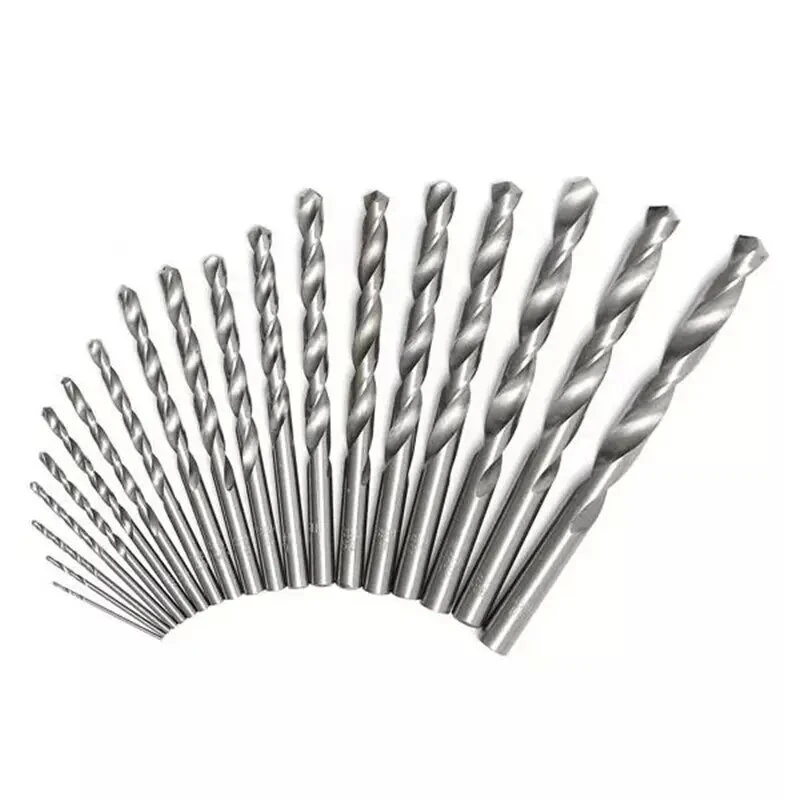
Twist drill bits are one of the most commonly used cutting tools in metalworking. They are designed to create holes in a variety of materials, including metal, wood, plastic, and composites. The design of a twist drill bit consists of a cylindrical shank and a helical flute that runs along the length of the bit. The flute helps to remove chips from the hole as the bit rotates, preventing them from clogging the cutting edges and reducing the risk of overheating.
Twist drill bits are available in a wide range of sizes and materials, each designed for specific applications. High-speed steel (HSS) is a popular choice for general-purpose drilling, as it offers a good balance of hardness, toughness, and wear resistance. Cobalt and carbide drill bits are also available for more demanding applications, such as drilling hard metals or materials with high heat resistance.
Using Twist Drill Bits for Drilling Brass
The short answer is yes, a twist drill bit can be used for drilling in brass. However, there are several factors to consider to ensure a successful drilling operation.
Selecting the Right Drill Bit
When drilling brass, it is important to choose the right drill bit for the job. A high-speed steel (HSS) drill bit is generally a good choice for most brass drilling applications. HSS drill bits are relatively inexpensive, widely available, and offer good performance in a variety of materials.
For more precise or demanding drilling operations, a cobalt or carbide drill bit may be a better choice. Cobalt drill bits are harder and more heat-resistant than HSS drill bits, making them suitable for drilling harder brass alloys or for applications where high-speed drilling is required. Carbide drill bits are even harder and more wear-resistant than cobalt drill bits, but they are also more expensive and brittle.
Our Roll Forged Bright Finish Twist Drill Bit for Metal is an excellent choice for drilling brass. These drill bits are made from high-quality HSS and feature a roll-forged design that provides increased strength and durability. The bright finish helps to reduce friction and prevent the bit from sticking to the material, resulting in cleaner, more precise holes.
Preparing the Workpiece
Before drilling, it is important to prepare the workpiece properly. This includes cleaning the surface of the brass to remove any dirt, oil, or debris that could interfere with the drilling process. It is also a good idea to mark the location of the hole using a center punch or a scribe to ensure accurate placement.
If the brass is thin or prone to deformation, it may be necessary to use a backing plate or a clamping device to support the material and prevent it from bending or warping during drilling.
Choosing the Right Drill Speed and Feed Rate
The drill speed and feed rate are critical factors that can affect the quality of the hole and the lifespan of the drill bit. When drilling brass, it is generally recommended to use a slower drill speed and a higher feed rate than when drilling harder metals. This helps to prevent the bit from overheating and reduces the risk of the material deforming or clogging the bit.
The exact drill speed and feed rate will depend on several factors, including the size and type of drill bit, the thickness and hardness of the brass, and the drilling machine being used. As a general rule of thumb, a drill speed of 300-500 RPM and a feed rate of 0.002-0.005 inches per revolution are recommended for drilling brass with a HSS drill bit.
Using Cutting Fluid
Using a cutting fluid can help to improve the drilling performance and extend the life of the drill bit. Cutting fluid helps to cool the drill bit, reduce friction, and flush away chips from the hole. For drilling brass, a water-soluble cutting fluid or a light oil is generally recommended.
Apply the cutting fluid generously to the drill bit and the workpiece before and during drilling. This will help to prevent the bit from overheating and reduce the risk of the material deforming or clogging the bit.
Tips for Successful Drilling in Brass
In addition to the above considerations, here are some additional tips to help you achieve successful results when drilling brass:
- Use a sharp drill bit: A dull drill bit can cause the material to deform or clog the bit, resulting in poor hole quality and reduced drill bit life. Make sure to use a sharp drill bit and replace it when it becomes dull.
- Start with a small pilot hole: If you are drilling a large hole, it is a good idea to start with a small pilot hole first. This will help to guide the drill bit and prevent it from wandering or slipping.
- Drill slowly and steadily: Drilling too quickly or applying too much pressure can cause the material to deform or clog the bit. Drill slowly and steadily, applying just enough pressure to keep the bit cutting.
- Clear the chips regularly: As you drill, make sure to clear the chips from the hole regularly to prevent them from clogging the drill bit. You can use a brush or compressed air to remove the chips.
- Inspect the hole regularly: Periodically stop drilling and inspect the hole to ensure that it is straight and the correct size. If the hole is not straight or the size is incorrect, you may need to adjust the drill speed, feed rate, or pressure.
Other Tools for Drilling Brass
In addition to twist drill bits, there are several other tools that can be used for drilling brass, depending on the specific application.
Socket Bit Adapters
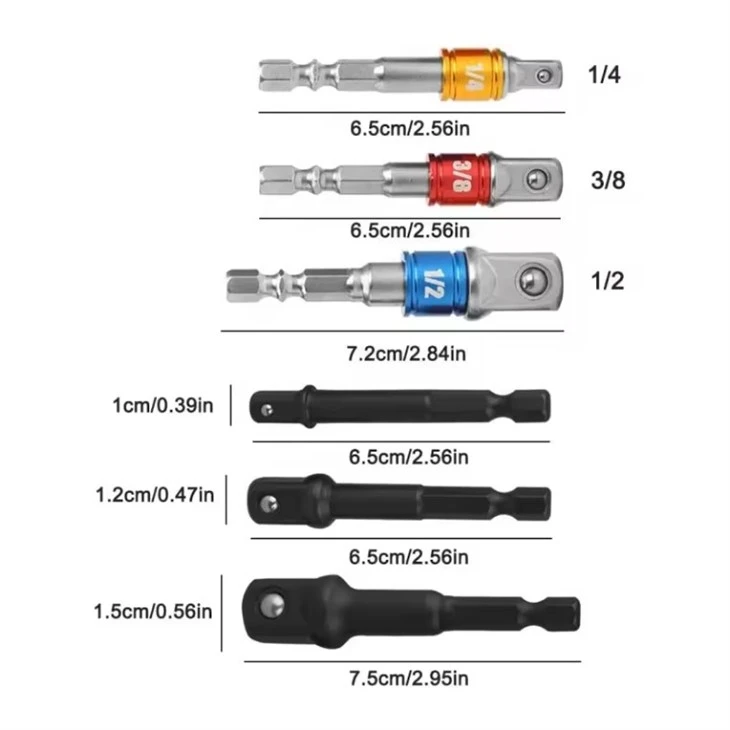
Socket bit adapters are a useful tool for drilling brass when you need to use a socket wrench or an impact driver. They allow you to attach a drill bit to a socket wrench or an impact driver, providing greater torque and control.
Our 6 Pcs Socket Bit Adapters Drive Impact Power Extension Bar Set High Speed Drilling Bit Nut Driver Tool is a versatile set of socket bit adapters that can be used for a variety of applications, including drilling brass. The set includes six different sizes of socket bit adapters, as well as an extension bar for added reach.
Thread Taps
If you need to create threads in a brass hole, a thread tap is the tool to use. Thread taps are designed to cut threads in a variety of materials, including brass. They come in a variety of sizes and types, each designed for specific applications.
Our High Quality Nitride Spiral Screw Thread Taps HSS 6542 Metric Machine Spiral Point Flute Tap Thread Tapping Tool is a high-quality thread tap that is specifically designed for use in brass and other soft metals. The nitride coating provides increased hardness and wear resistance, while the spiral point flute design helps to clear chips from the hole and prevent clogging.
Conclusion
In conclusion, a twist drill bit can be used for drilling in brass, but it is important to choose the right drill bit, prepare the workpiece properly, and follow the recommended drilling techniques. By using the right tools and techniques, you can achieve clean, precise holes in brass with minimal effort and maximum efficiency.
If you have any questions or need further assistance with drilling brass or any other metalworking application, please do not hesitate to contact us. We are a leading supplier of twist drill bits and other cutting tools, and we are committed to providing our customers with the highest quality products and services. Contact us today to discuss your specific needs and to learn more about our products and services.
References
- Machinery's Handbook, 31st Edition
- The Modern Machinist's Handbook
- Drill Bit Selection Guide, Kennametal






