

Can I Cut Wet Grass?
As a provider of grass - cutting solutions, I often get asked the question: "Can I cut wet grass?" It's a common query among homeowners, gardeners, and even professional landscapers. Let's delve into the various aspects of this question to provide a comprehensive answer.
The Challenges of Cutting Wet Grass
Cutting wet grass presents several challenges that can affect both the quality of the cut and the performance of your equipment.
One of the most noticeable issues is the clumping of grass. When grass is wet, it tends to stick together, forming large clumps. These clumps can clog the mower deck, discharge chute, and even the blades. As a result, the mower has to work harder to cut through the grass, which can lead to a slower and less efficient cutting process. In some cases, the clumps may even prevent the mower from cutting evenly, leaving behind patches of uncut grass.
Another problem is the potential damage to the grass itself. When you cut wet grass, the blades of the mower can tear the grass rather than making a clean cut. This can cause the grass to become more susceptible to diseases and pests, as the torn edges provide an entry point for pathogens. Additionally, the stress on the grass from being cut wet can slow down its recovery and growth.
Wet grass can also be slippery, which can pose a safety risk to the person operating the mower. There is an increased chance of slipping and falling, especially if the ground is uneven or if the mower has to be maneuvered around obstacles.
The Advantages of Cutting Wet Grass
Despite the challenges, there are also some situations where cutting wet grass can be beneficial.
In dry climates or during periods of drought, wet grass may be the only option for maintaining a well - groomed lawn. Cutting wet grass can help to keep the lawn at a manageable height and prevent it from becoming overgrown.
Some types of grass may actually benefit from being cut wet. For example, certain varieties of fine - bladed grasses may be less likely to clump when wet, and the moisture can help to prevent the grass from becoming too brittle during the cutting process.
Factors to Consider
Before deciding whether to cut wet grass, there are several factors that you should take into account.
The type of mower you are using is an important consideration. Some mowers are better suited for cutting wet grass than others. For example, reel mowers generally perform better in wet conditions than rotary mowers because they have a more precise cutting action and are less likely to clog. However, reel mowers may require more effort to push through wet grass.
The condition of your lawn is also crucial. If your lawn is already suffering from diseases or pests, cutting wet grass may exacerbate the problem. On the other hand, if your lawn is healthy and well - maintained, it may be more resilient to the stress of being cut wet.
The weather forecast is another factor. If it is expected to rain heavily again soon, it may be better to wait until the grass has dried to avoid cutting it when it is overly saturated.
Our Grass - Cutting Solutions
At our company, we understand the importance of having the right tools for the job, whether you are cutting wet or dry grass. We offer a range of high - quality saw blades specifically designed for grass cutting.
Our New High QualityGrass Alloy Saw Blade is made from a special alloy that provides excellent durability and cutting performance. It is designed to make clean cuts through both wet and dry grass, reducing the risk of tearing and clumping.

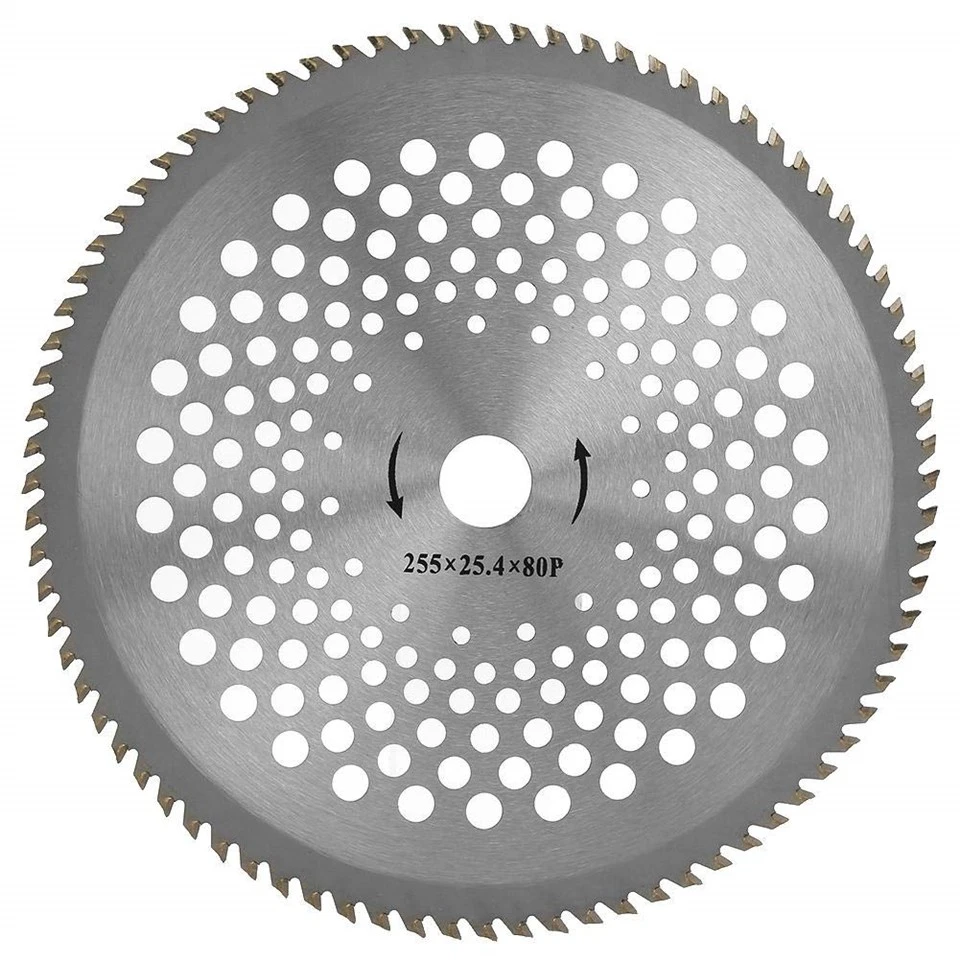
The TCT Saw Blade for Grass Cutting features carbide tips that are extremely sharp and resistant to wear. This blade can handle the toughest grass - cutting tasks, even in wet conditions.
Our Saw Blade for Cutting Grass is a versatile option that is suitable for a variety of mowers and grass types. It is engineered to provide a smooth and efficient cutting experience, regardless of whether the grass is wet or dry.
Tips for Cutting Wet Grass
If you decide to cut wet grass, here are some tips to help you do it safely and effectively:
- Use the right equipment: Make sure your mower is in good working condition and that the blades are sharp. Consider using a mower that is designed for wet - grass cutting, such as a reel mower.
- Mow slowly: Take your time and mow at a slower speed than you would when cutting dry grass. This will give the mower more time to cut through the grass and reduce the risk of clogging.
- Clean the mower frequently: Stop periodically to clean the mower deck, discharge chute, and blades to prevent clumping. You can use a hose or a brush to remove the wet grass.
- Wear appropriate safety gear: Wear non - slip shoes, gloves, and eye protection to protect yourself from slipping and flying debris.
Conclusion
In conclusion, cutting wet grass is possible, but it comes with its own set of challenges and considerations. Whether you choose to cut wet grass depends on a variety of factors, including the type of mower you have, the condition of your lawn, and the weather forecast. At our company, we are committed to providing you with the best grass - cutting solutions to meet your needs. If you have any questions about cutting wet grass or if you are interested in our products, please feel free to contact us for a procurement discussion. We look forward to helping you maintain a beautiful and healthy lawn.
References
- "Lawn Care Basics: Mowing" by the University of California Cooperative Extension
- "The Science of Grass Cutting" by the Turfgrass Science Society of America
- "Safety Guidelines for Lawn Mower Operation" by the Consumer Product Safety Commission






