

Schist is a medium-grade metamorphic rock characterized by its foliated texture, which means it has distinct layers or bands. These layers are formed due to the alignment of minerals under high pressure and temperature conditions. The composition of schist can vary widely, including minerals such as mica, quartz, feldspar, and others. This variability in composition leads to differences in hardness, strength, and brittleness, which can significantly affect the drilling process.
When it comes to drilling in schist, the choice of drill bit is crucial. The drill bit must be able to withstand the forces exerted during drilling and effectively penetrate the rock. SDS hammer drill bits are a popular choice for many drilling applications, but their suitability for schist drilling depends on several factors.
Characteristics of SDS Hammer Drill Bits
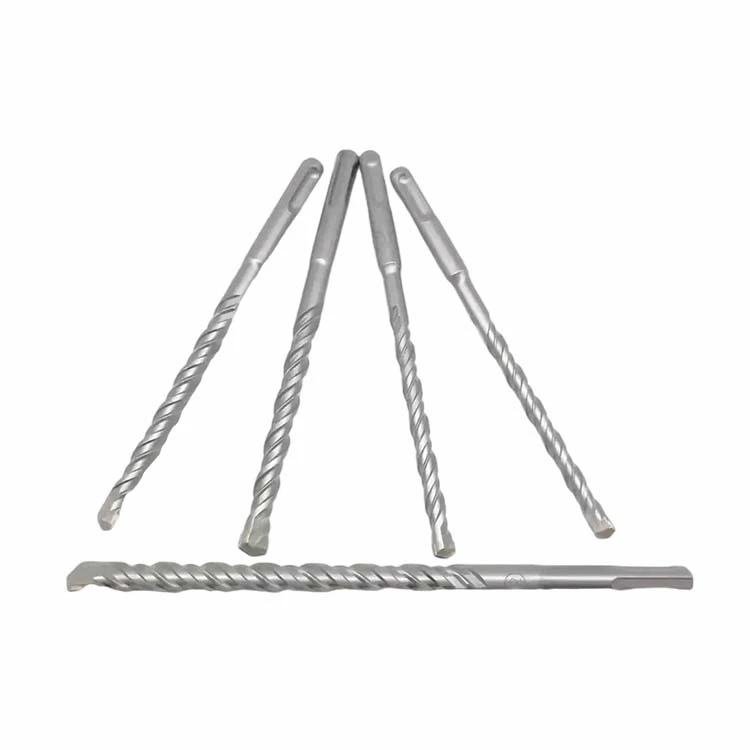
SDS (Slotted Drive System) hammer drill bits are designed to work in conjunction with SDS hammer drills. These bits have a unique shank design that allows for quick and easy bit changes, as well as efficient transfer of the hammering action from the drill to the bit. The hammering action helps to break up the material being drilled, making it easier for the bit to penetrate.
There are different types of SDS hammer drill bits, including SDS Plus and SDS Max. SDS Plus bits are generally used for lighter-duty applications, while SDS Max bits are designed for heavier-duty work. Both types of bits are available with various tip designs and carbide grades, which can affect their performance in different materials.
Factors Affecting the Use of SDS Hammer Drill Bits in Schist
1. Hardness of Schist
The hardness of schist can vary depending on its mineral composition. Some schists may be relatively soft, while others can be quite hard. Harder schists can cause the drill bit to wear out more quickly, as the carbide tip has to work harder to break through the rock. In some cases, the bit may even become dull or damaged if the hardness is too high.
2. Foliation of Schist
The foliated structure of schist can also pose challenges during drilling. The layers in the rock can cause the drill bit to wander or deflect, making it difficult to maintain a straight hole. This can lead to inaccurate drilling and may even cause the bit to break if the forces become too unbalanced.
3. Abrasiveness of Schist
Schist can be abrasive, especially if it contains high levels of quartz or other hard minerals. The abrasive nature of the rock can wear down the carbide tip of the drill bit, reducing its cutting efficiency and lifespan. To counteract this, it is important to choose a drill bit with a high-quality carbide tip that is resistant to abrasion.

Advantages of Using SDS Hammer Drill Bits for Schist Drilling
Despite the challenges, there are several advantages to using SDS hammer drill bits for schist drilling:
1. Efficient Hammering Action
The hammering action of SDS hammer drills can help to break up the schist more effectively than traditional rotary drills. This can result in faster drilling times and less effort required from the operator.
2. Quick Bit Changes
The SDS shank design allows for quick and easy bit changes, which is especially useful when drilling multiple holes or when the bit needs to be replaced due to wear or damage.
3. Wide Range of Sizes and Tip Designs
SDS hammer drill bits are available in a wide range of sizes and tip designs, allowing you to choose the most suitable bit for your specific drilling application. For example, some bits are designed for general-purpose drilling, while others are optimized for harder or more abrasive materials.
Recommendations for Using SDS Hammer Drill Bits in Schist
To ensure successful drilling in schist using SDS hammer drill bits, consider the following recommendations:
1. Choose the Right Bit
Select a drill bit with a high-quality carbide tip that is suitable for the hardness and abrasiveness of the schist. For harder schists, choose a bit with a higher carbide grade. Additionally, consider the tip design of the bit. Some tips are better suited for breaking through hard rock, while others are more effective at clearing debris.
2. Use the Correct Drill
Make sure you are using a SDS hammer drill that is powerful enough for the job. The drill should be able to deliver sufficient hammering force to break up the schist. For larger or more demanding drilling applications, consider using an SDS Max drill.
3. Apply the Right Pressure
When drilling in schist, it is important to apply the right amount of pressure. Too much pressure can cause the bit to overheat and wear out more quickly, while too little pressure may result in slow drilling or the bit getting stuck. Start with a light pressure and gradually increase it as the bit begins to penetrate the rock.
4. Keep the Bit Cool
Drilling in schist can generate a lot of heat, which can damage the carbide tip of the drill bit. To keep the bit cool, use a lubricant or coolant during the drilling process. This can help to extend the lifespan of the bit and improve its cutting efficiency.
Our Products
As a leading supplier of SDS hammer drill bits, we offer a wide range of high-quality products suitable for schist drilling. Our Hot Sale SDS Plus Hammer Drill For Concrete is perfect for lighter-duty schist drilling applications. It features a durable carbide tip and a quick-change SDS Plus shank for easy use.
For heavier-duty work, our Hot Sale SDS Hammer Drill Bit With Tungsten Carbide Tip For Concrete is an excellent choice. The tungsten carbide tip provides superior hardness and abrasion resistance, making it ideal for drilling in hard and abrasive schist.
If you need to drill large holes or work on more demanding projects, our Hot Sale SDS Max Hammer Drill For Concrete is the solution. It offers high hammering force and a robust design to handle the toughest schist drilling tasks.
Conclusion
In conclusion, SDS hammer drill bits can be used for schist drilling, but their effectiveness depends on several factors, including the hardness, foliation, and abrasiveness of the schist. By choosing the right bit, using the correct drill, applying the right pressure, and keeping the bit cool, you can achieve successful drilling results.
If you are interested in purchasing our SDS hammer drill bits for schist drilling or have any questions about our products, please feel free to contact us for more information and to discuss your specific requirements. We look forward to assisting you with your drilling needs.

References
- Deer, W. A., Howie, R. A., & Zussman, J. (1992). An introduction to the rock-forming minerals. Longman Scientific & Technical.
- Goodman, R. E. (1989). Introduction to rock mechanics. Wiley.
- Schei, E., & Tveit, H. (1995). Drilling and blasting of rocks. Balkema.






