

Hey there! I'm a supplier in the grass - cutting business, and I've seen firsthand how cutting grass can have a huge impact on its growth. In this blog, I'll dive deep into the science behind grass cutting and how it affects those green lawns we all love.
Let's start with the basics. When you cut grass, you're essentially giving it a "haircut." But unlike human hair, grass has a unique way of responding to this trimming. The first and most obvious effect is the change in the grass's height. Most types of grass have an ideal height range for optimal growth. For example, Kentucky bluegrass typically does well when kept between 2.5 and 3.5 inches. If you cut it too short, you're going to cause some problems.
When you cut grass too short, you're removing a significant portion of its photosynthetic area. Photosynthesis is how grass makes its food. The leaves of the grass contain chlorophyll, which captures sunlight and converts carbon dioxide and water into glucose and oxygen. If you take away too many leaves, the grass has less surface area to absorb sunlight. This means it can't produce as much energy, and its growth will slow down. It's like if you suddenly lost a big part of your digestive system - you'd have a hard time getting the nutrients you need.
On the other hand, cutting grass at the right height can actually stimulate growth. When you make a clean cut at the appropriate height, you encourage the grass to grow more laterally. This means it will send out more shoots and tillers, making your lawn thicker and lusher. A thick lawn is not only more aesthetically pleasing but also more resistant to weeds. Weeds have a harder time taking root in a dense carpet of grass.
Another factor to consider is the frequency of cutting. If you cut your grass too often, it can stress the plant. Grass needs time to recover between cuts. Each time you cut it, it has to use energy to regrow the lost parts. If you're constantly cutting, it doesn't have enough time to replenish its energy reserves. This can lead to a weakened grass plant that's more susceptible to diseases and pests.
For example, if you cut your grass every day, it's going to be in a constant state of stress. The roots won't have enough time to grow and absorb nutrients properly. As a result, the grass may turn yellow or brown, and you might start to see bare patches in your lawn.
However, if you cut your grass at the right intervals, it can stay healthy and vibrant. For most types of grass, cutting once a week during the growing season is a good rule of thumb. But this can vary depending on the type of grass, the weather, and the amount of fertilization.
Now, let's talk about the tools we use to cut grass. As a grass - cutting supplier, I know how important it is to have the right equipment. A sharp blade is crucial for a clean cut. If your blade is dull, it will tear the grass instead of cutting it cleanly. Tearing the grass can damage the plant and make it more vulnerable to diseases.

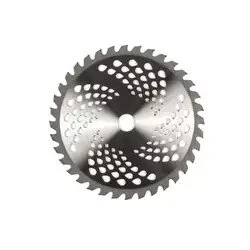
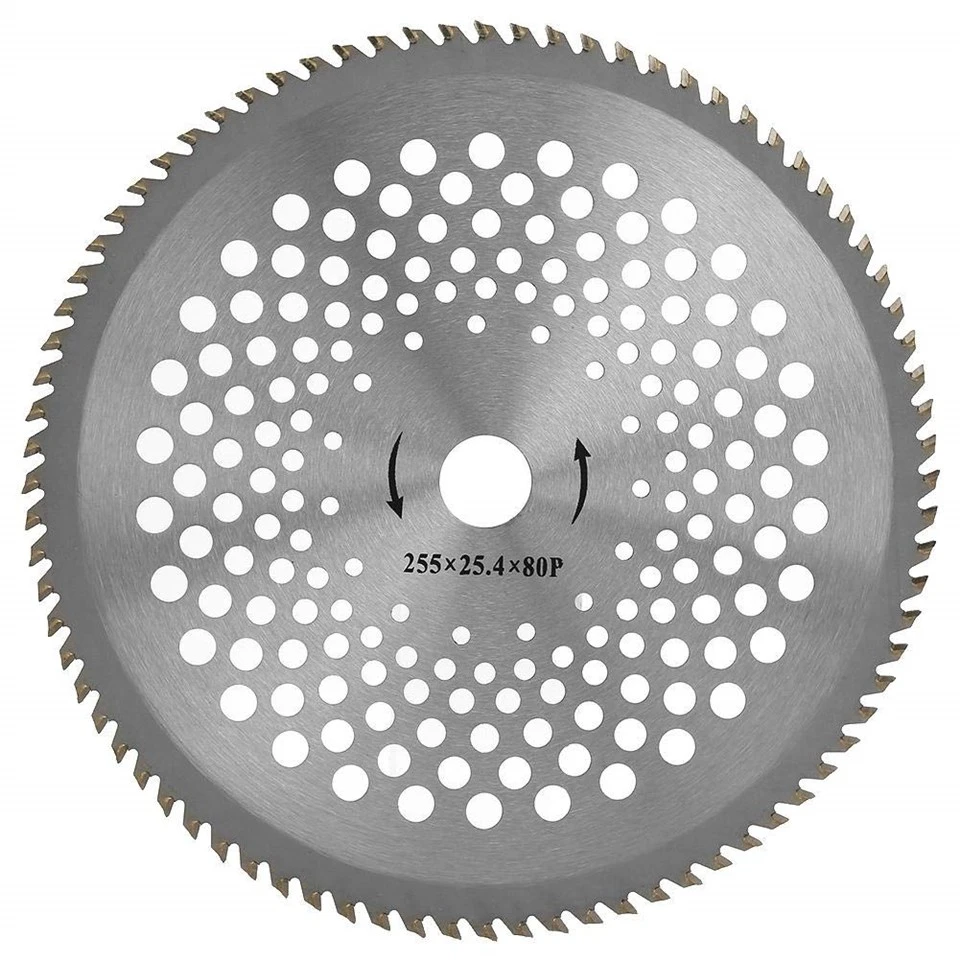
That's where our high - quality saw blades come in. We offer products like the TCT Saw Blade For Grass Cutting High Quality and the Saw Blade For Cutting Grass High Quality. These blades are designed to make a precise and clean cut, which is essential for the health of your grass. They're made with high - quality materials that can withstand the rigors of grass cutting, so you don't have to worry about them dulling quickly.
The TCT Saw Blade For Grass Cutting High Quality is especially great because it's made with TCT (Tungsten Carbide Tipped) technology. This means the blade is extremely sharp and durable. It can cut through thick grass with ease, leaving a clean and professional - looking cut.
The way you cut your grass also matters. You should try to vary the direction of your cuts each time you mow. If you always cut in the same direction, the grass can start to lean in that direction, and it won't grow as evenly. Varying the cutting direction encourages the grass to grow upright and evenly, giving your lawn a more uniform appearance.
After cutting the grass, what you do with the clippings can also affect its growth. Leaving the clippings on the lawn can actually be beneficial. The clippings break down over time and release nutrients back into the soil. This is like giving your grass a natural fertilizer. However, if you have a thick layer of clippings, it can smother the grass and prevent sunlight from reaching it. So, if the clippings are too thick, it's a good idea to rake them up a bit.
In addition to the mechanical aspects of cutting, environmental factors also play a role in how grass responds to cutting. For example, if it's very hot and dry when you cut the grass, it can be more stressful for the plant. Grass loses water through its leaves, and when you cut it, you're exposing more of the inner tissues. In hot and dry conditions, this can lead to excessive water loss and wilting. It's best to cut grass in the early morning or late evening when it's cooler and the grass is less likely to lose too much water.
Another environmental factor is the soil quality. If your soil is poor in nutrients, the grass will have a harder time recovering from cutting. You might need to fertilize your lawn regularly to ensure it has the nutrients it needs to grow back strong after each cut. A well - fertilized lawn is more resilient and can better withstand the stress of cutting.
To sum it up, cutting grass has a complex relationship with its growth. Cutting at the right height, frequency, and with the right tools can stimulate healthy growth, while improper cutting can lead to a weakened and unhealthy lawn. As a grass - cutting supplier, we're here to help you make the best choices for your lawn. Whether you need high - quality saw blades or just some advice on grass cutting, we've got you covered.
If you're interested in learning more about our grass - cutting products or have any questions about how to cut your grass for optimal growth, don't hesitate to reach out. We're always happy to have a chat and help you find the solutions that work best for you. Contact us to start a discussion about your grass - cutting needs, and let's make your lawn the envy of the neighborhood!
References
- "Lawn Care Basics: Mowing" by the University of Minnesota Extension
- "The Science of Grass Growth" by the Turfgrass Information Center






