

As a seasoned supplier of TCT saw blades, I've witnessed firsthand the critical role that the number of gullets plays in the performance and efficiency of these cutting tools. TCT, or Tungsten Carbide Tipped, saw blades are renowned for their durability and precision, making them a staple in various industries, from woodworking to metalworking. In this blog post, I'll delve into the significance of the number of gullets on a TCT saw blade and how it can impact your cutting operations.

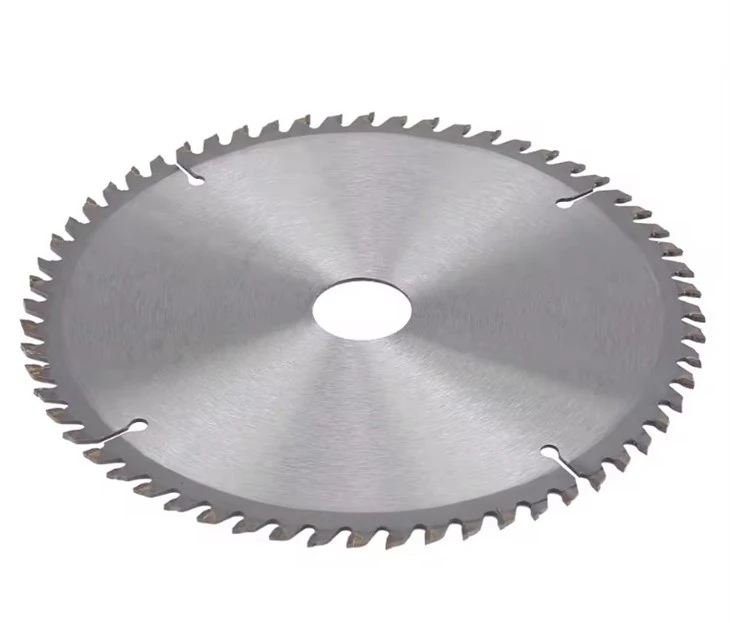
Understanding Gullets on a TCT Saw Blade
Before we dive into the importance of the number of gullets, let's first understand what gullets are. Gullets are the spaces between the teeth on a saw blade. They serve several crucial functions during the cutting process. Firstly, gullets provide room for the chips and debris generated during cutting to be evacuated from the cutting area. This prevents the chips from clogging the blade, which can lead to overheating, reduced cutting efficiency, and even damage to the blade. Secondly, gullets help to dissipate heat, which is essential for maintaining the integrity of the blade and the quality of the cut.
The Relationship Between Gullet Number and Cutting Performance
The number of gullets on a TCT saw blade can significantly affect its cutting performance. Generally, blades with more gullets are designed for finer, smoother cuts, while blades with fewer gullets are better suited for rough, heavy-duty cutting.
Fine Cutting with More Gullets
Blades with a higher number of gullets, such as those with 80 or more teeth, are ideal for applications that require a high level of precision and a smooth finish. The smaller and more numerous gullets allow for better chip evacuation, which reduces the likelihood of clogging and ensures a cleaner cut. These blades are commonly used in woodworking for tasks like cross-cutting, mitering, and joinery, where a smooth, splinter-free edge is essential. For example, when cutting fine hardwoods or veneered plywood, a blade with a high number of gullets can produce a finish that requires minimal sanding or additional finishing.
If you're in the market for a high-quality TCT saw blade for fine cutting, check out our 12" 14" 16" Circular Saw Blade General Purpose TCT Cut Disc Carbide Tipped Wood Cutting Blade. This blade is designed with a high number of teeth and optimized gullet geometry to deliver precise, smooth cuts in a variety of wood materials.
Heavy-Duty Cutting with Fewer Gullets
On the other hand, blades with a lower number of gullets, typically 24 to 40 teeth, are better suited for heavy-duty cutting applications. The larger gullets can accommodate larger chips and debris, making them more effective at removing material quickly. These blades are commonly used for ripping, where the goal is to cut through thick materials in a straight line. The fewer teeth also mean that each tooth has a larger amount of carbide, which makes the blade more durable and better able to withstand the high forces and stresses associated with heavy-duty cutting.
Our 12" 14" 16" Circular Saw Blade TCT Cut Disc Carbide Tipped Wood Cutting Blade is an excellent choice for heavy-duty cutting. With a lower number of teeth and larger gullets, this blade can handle tough materials like thick hardwoods and engineered woods with ease.
Other Factors Affected by Gullet Number
In addition to cutting performance, the number of gullets on a TCT saw blade can also affect other aspects of its operation, such as cutting speed, power consumption, and blade lifespan.
Cutting Speed
Blades with more gullets generally require a slower cutting speed to ensure proper chip evacuation and prevent clogging. The smaller gullets can only handle a limited amount of chips at a time, so a slower feed rate is necessary to keep the blade clean and cutting efficiently. Conversely, blades with fewer gullets can typically handle a faster cutting speed because the larger gullets can accommodate more chips.
Power Consumption
The number of gullets can also impact power consumption. Blades with more gullets tend to require more power to operate because the increased number of teeth creates more friction during cutting. This means that you may need a more powerful saw or motor to use a blade with a high number of gullets effectively. On the other hand, blades with fewer gullets require less power because there are fewer teeth in contact with the material at any given time.
Blade Lifespan
The number of gullets can also affect the lifespan of a TCT saw blade. Blades with more gullets are more prone to wear and tear because the smaller teeth are more likely to break or chip during cutting. Additionally, the increased friction and heat generated by the higher number of teeth can cause the carbide tips to wear down more quickly. Blades with fewer gullets, on the other hand, are generally more durable because the larger teeth are better able to withstand the forces of cutting.
Choosing the Right Gullet Number for Your Application
When choosing a TCT saw blade, it's important to consider the specific requirements of your application. Here are some factors to keep in mind:
- Material Type: Different materials require different blade configurations. For example, softwoods can typically be cut with a blade with fewer gullets, while hardwoods and engineered woods may require a blade with more gullets for a smoother finish.
- Cutting Operation: The type of cutting operation you're performing, such as cross-cutting, ripping, or mitering, will also influence your choice of blade. Cross-cutting generally requires a blade with more gullets for a clean, smooth cut, while ripping can be done with a blade with fewer gullets for faster material removal.
- Desired Finish: If you're looking for a smooth, splinter-free finish, a blade with a high number of gullets is the way to go. However, if you're less concerned about the finish and more focused on speed and efficiency, a blade with fewer gullets may be a better choice.
Conclusion
In conclusion, the number of gullets on a TCT saw blade is a crucial factor that can significantly impact its cutting performance, efficiency, and lifespan. By understanding the relationship between gullet number and cutting requirements, you can choose the right blade for your specific application and achieve the best results.
If you're interested in learning more about our TCT saw blades or have any questions about choosing the right blade for your needs, please don't hesitate to contact us. We're here to help you find the perfect solution for your cutting challenges.
References
- Woodworking Machinery and Tools Handbook
- Handbook of Saw Technology






