

When it comes to the world of cutting and grinding, diamond saw blades stand out as one of the most efficient and reliable tools. As a seasoned diamond saw blade supplier, I've witnessed firsthand the significant impact that the tooth geometry of these blades can have on the cutting process. In this blog post, I'll delve into the science behind tooth geometry and how it affects the cutting performance of diamond saw blades.
Basic Concepts of Tooth Geometry
Tooth geometry encompasses several key factors, including tooth shape, tooth height, tooth pitch, and the number of teeth. Each of these elements plays a crucial role in determining how a diamond saw blade interacts with the material being cut, influencing aspects such as cutting speed, precision, lifespan, and surface finish.
Tooth Shape
The shape of the teeth on a diamond saw blade can vary widely, with each design offering unique advantages depending on the cutting application. Common tooth shapes include straight, gulleted, segmented, and turbo.
- Straight Teeth: Straight teeth are simple in design and are often used for general-purpose cutting. They provide a consistent cutting edge and are suitable for cutting a variety of materials, including wood, metal, and plastic. However, they may not be as efficient as other tooth shapes when it comes to cutting hard or abrasive materials.
- Gulleted Teeth: Gulleted teeth feature deep grooves between the teeth, which help to remove chips and debris from the cutting zone. This design reduces the risk of clogging and overheating, making it ideal for cutting materials that produce a lot of chips, such as softwoods and plastics.
- Segmented Teeth: Segmented teeth are characterized by their notched or segmented shape. This design allows the blade to cut more aggressively, making it suitable for cutting hard materials such as concrete, stone, and ceramics. The segments also help to dissipate heat, reducing the risk of blade damage and extending the blade's lifespan.
- Turbo Teeth: Turbo teeth have a curved or scalloped shape, which allows the blade to cut at a higher speed and with less resistance. This design is commonly used for cutting thin materials, such as glass and tile, as well as for making fast, rough cuts in thicker materials.
Tooth Height
Tooth height refers to the distance from the tip of the tooth to the base of the blade. A taller tooth provides a greater cutting depth, which can be beneficial for cutting thick materials. However, taller teeth also require more power to operate and may be more prone to breakage. Shorter teeth, on the other hand, are more suitable for cutting thin materials and offer better control and precision.
Tooth Pitch
Tooth pitch is the distance between adjacent teeth on the blade. A finer tooth pitch (more teeth per inch) provides a smoother cut and is ideal for cutting materials that require a high level of precision, such as wood veneers and laminates. A coarser tooth pitch (fewer teeth per inch) is better suited for cutting thick or hard materials, as it allows the blade to remove more material with each pass.
Number of Teeth
The number of teeth on a diamond saw blade also affects its cutting performance. Blades with more teeth generally provide a smoother cut, but they may also cut more slowly. Blades with fewer teeth, on the other hand, cut more quickly but may produce a rougher surface finish. The optimal number of teeth depends on the material being cut, the cutting speed, and the desired surface finish.
How Tooth Geometry Affects Cutting Performance
Now that we've covered the basic concepts of tooth geometry, let's take a closer look at how these factors affect the cutting performance of diamond saw blades.
Cutting Speed
The tooth geometry of a diamond saw blade can have a significant impact on its cutting speed. Blades with a coarser tooth pitch and fewer teeth generally cut more quickly, as they are able to remove more material with each pass. However, this may come at the expense of a rougher surface finish. Blades with a finer tooth pitch and more teeth, on the other hand, cut more slowly but produce a smoother cut.
Precision
Tooth geometry also plays a role in the precision of the cut. Blades with a finer tooth pitch and more teeth are able to make more precise cuts, as they leave less material behind between the teeth. This is particularly important for cutting materials that require a high level of accuracy, such as in the manufacturing of furniture or the installation of flooring.
Lifespan
The tooth geometry of a diamond saw blade can also affect its lifespan. Blades with a well-designed tooth shape and proper tooth pitch are less likely to experience excessive wear and tear, which can extend their lifespan. For example, segmented teeth are designed to dissipate heat more effectively, reducing the risk of blade damage and increasing the blade's durability.
Surface Finish
The tooth geometry of a diamond saw blade can significantly impact the surface finish of the cut material. Blades with a finer tooth pitch and more teeth tend to produce a smoother surface finish, as they leave less material behind between the teeth. This is particularly important for cutting materials that will be visible or require a high level of aesthetic appeal, such as in the construction of countertops or the installation of tile.
Choosing the Right Tooth Geometry for Your Application
As a diamond saw blade supplier, I understand that choosing the right tooth geometry for your application is crucial for achieving optimal cutting performance. Here are some tips to help you select the right blade for your needs:
- Consider the Material: Different materials require different tooth geometries. For example, if you're cutting softwood, a blade with gulleted teeth may be the best choice, as it will help to remove chips and debris from the cutting zone. If you're cutting hard materials such as concrete or stone, a blade with segmented teeth may be more suitable, as it will provide a more aggressive cut and better heat dissipation.
- Determine the Cutting Speed: If you need to make fast cuts, a blade with a coarser tooth pitch and fewer teeth may be the best option. However, if you require a high level of precision, a blade with a finer tooth pitch and more teeth may be more appropriate.
- Evaluate the Surface Finish: If you need a smooth surface finish, a blade with a finer tooth pitch and more teeth is recommended. However, if a rougher surface finish is acceptable, a blade with a coarser tooth pitch and fewer teeth may be more cost-effective.
Our Product Recommendations
At our company, we offer a wide range of diamond saw blades with different tooth geometries to meet the needs of various applications. Here are some of our popular products:
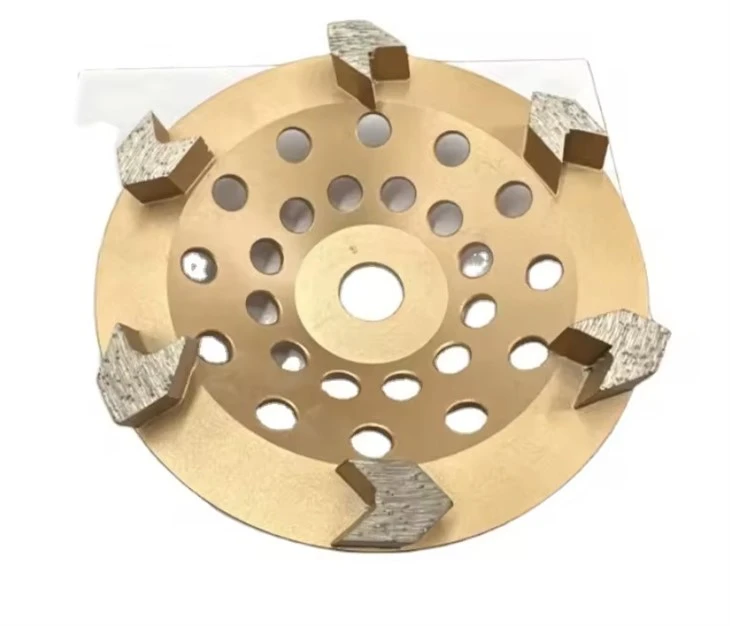
- 180mm*6T Abrasive Tools Arrow-shaped Teeth Diamond Cup Grinding Wheel: This diamond cup grinding wheel features arrow-shaped teeth, which provide a more aggressive cut and better chip removal. It is suitable for grinding and polishing various materials, including concrete, stone, and ceramics.
- 200mm Diamond Saw Blade: This 200mm diamond saw blade is designed for cutting a variety of materials, including wood, metal, and plastic. It features a segmented tooth design, which provides a more aggressive cut and better heat dissipation.
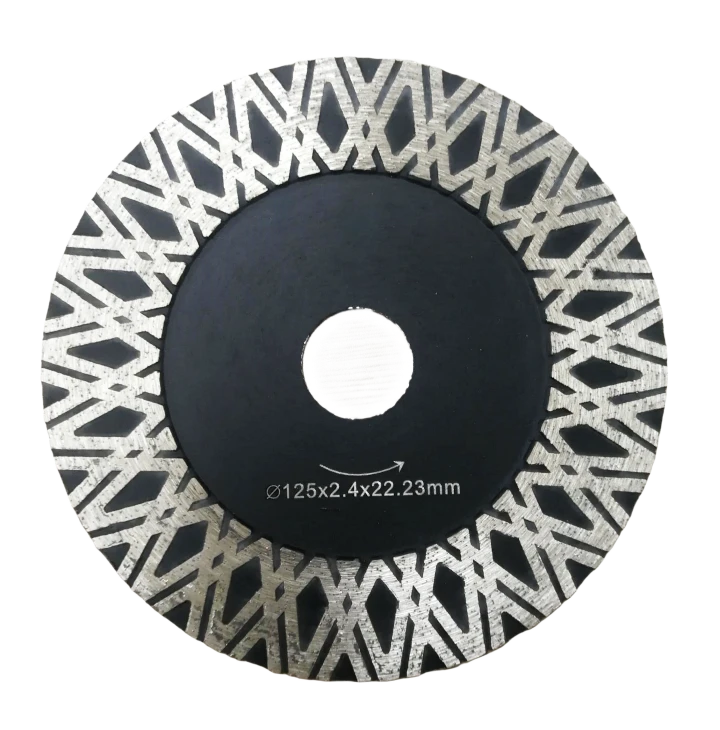
- New Type Diamond Saw Blade Cutting Disc: This new type of diamond saw blade cutting disc is suitable for cutting hard and abrasive materials, such as concrete, stone, and ceramics. It features a turbo tooth design, which allows the blade to cut at a higher speed and with less resistance.
Conclusion
In conclusion, the tooth geometry of a diamond saw blade plays a crucial role in determining its cutting performance. By understanding the basic concepts of tooth geometry and how they affect cutting speed, precision, lifespan, and surface finish, you can choose the right blade for your application and achieve optimal results. As a diamond saw blade supplier, we're committed to providing our customers with high-quality products and expert advice to help them make the best choices for their needs. If you have any questions or would like to discuss your cutting requirements, please don't hesitate to contact us. We look forward to working with you to find the perfect diamond saw blade for your project.
References
- Smith, J. (2020). Diamond Saw Blades: A Comprehensive Guide. Cutting Tools Magazine, 15(2), 34-42.
- Johnson, R. (2019). The Impact of Tooth Geometry on Diamond Saw Blade Performance. Journal of Materials Processing Technology, 265, 116-123.
- Brown, A. (2018). Choosing the Right Diamond Saw Blade for Your Application. Construction Equipment News, 45(3), 56-62.






