

Adjusting the cutting depth of a diamond saw blade is a crucial skill that can significantly impact the efficiency, safety, and quality of your cutting operations. As a trusted diamond saw blade supplier, we understand the importance of providing you with the knowledge and guidance to make the most of our products. In this blog post, we will explore the key factors to consider when adjusting the cutting depth of a diamond saw blade and provide you with practical tips to ensure optimal performance.
Understanding the Basics of Cutting Depth
Before we delve into the details of adjusting the cutting depth, it's essential to understand what it means and why it matters. The cutting depth refers to the maximum distance that the diamond saw blade can penetrate into the material being cut. It is typically measured from the surface of the material to the bottom of the cut.
The cutting depth is influenced by several factors, including the type of material being cut, the thickness of the material, the diameter of the saw blade, and the power of the saw. Choosing the appropriate cutting depth is crucial because it can affect the quality of the cut, the lifespan of the saw blade, and the safety of the operator.
Factors to Consider When Adjusting Cutting Depth
Material Type
Different materials have different hardness and density, which can affect the cutting depth. For example, cutting through hard materials like granite or concrete requires a shallower cutting depth compared to softer materials like wood or plastic. This is because hard materials generate more resistance, which can put additional stress on the saw blade and cause it to wear out faster.
Material Thickness
The thickness of the material being cut is another important factor to consider. Generally, thicker materials require a deeper cutting depth to ensure a clean and efficient cut. However, it's important to avoid cutting too deep, as this can cause the saw blade to bind or break, leading to safety hazards.
Saw Blade Diameter
The diameter of the saw blade also plays a role in determining the cutting depth. Larger diameter saw blades can typically cut deeper than smaller diameter blades. However, it's important to ensure that the saw blade is compatible with the saw and that the saw has enough power to drive the blade at the desired cutting depth.
Saw Power
The power of the saw is another crucial factor to consider when adjusting the cutting depth. A more powerful saw can handle a deeper cutting depth compared to a less powerful saw. It's important to choose a saw that is appropriate for the type and thickness of the material being cut to ensure optimal performance.
Step-by-Step Guide to Adjusting Cutting Depth
Now that we've discussed the factors to consider when adjusting the cutting depth, let's take a look at the step-by-step process for making the adjustment.
Step 1: Choose the Right Saw Blade
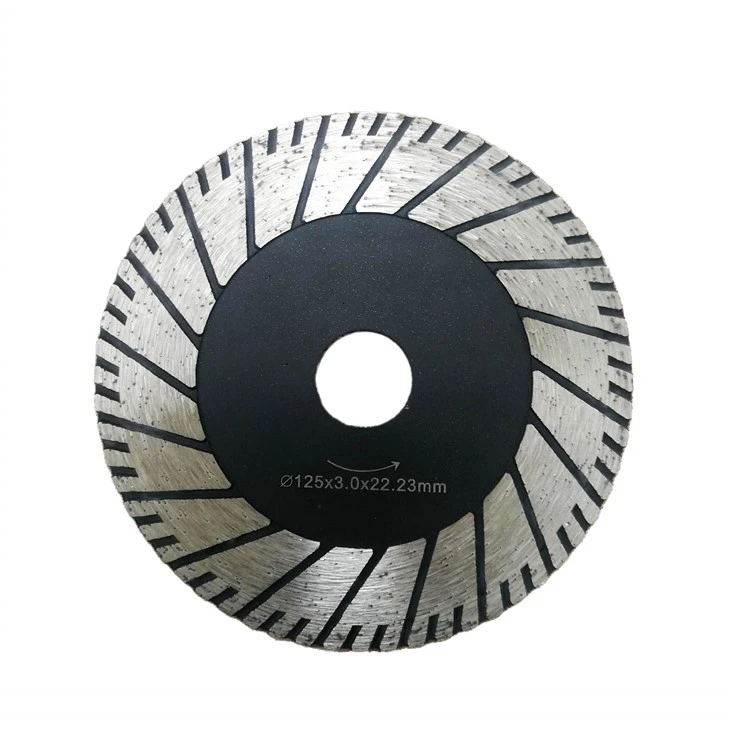
The first step in adjusting the cutting depth is to choose the right saw blade for the job. Consider the type and thickness of the material being cut, as well as the diameter and power of the saw. We offer a wide range of diamond saw blades, including the 6inch Diamond Saw Blade Cutter Circular Disc For Cutting Hard Granite Concrete Marble Sandstone Asphalt Diamond Saw Blade, which is designed for cutting hard materials with precision and efficiency.
Step 2: Measure the Material
Before making any adjustments, it's important to measure the thickness of the material being cut. This will help you determine the appropriate cutting depth. Use a ruler or a caliper to measure the thickness of the material accurately.

Step 3: Adjust the Saw Blade Guard
Most saws are equipped with a blade guard that can be adjusted to control the cutting depth. Loosen the bolts or screws that hold the blade guard in place and adjust it to the desired cutting depth. Make sure the blade guard is securely tightened before proceeding.
Step 4: Set the Cutting Depth
Once the blade guard is adjusted, you can set the cutting depth on the saw. This can usually be done by adjusting a depth stop or a depth adjustment knob on the saw. Refer to the saw's user manual for specific instructions on how to set the cutting depth.
Step 5: Test the Cutting Depth
Before making a full cut, it's a good idea to test the cutting depth on a scrap piece of material. This will help you ensure that the cutting depth is correct and that the saw blade is functioning properly. Make a few test cuts and check the quality of the cut. If necessary, make further adjustments to the cutting depth.
Tips for Optimal Cutting Depth
Start with a Shallow Cut
When cutting a new material or using a new saw blade, it's always a good idea to start with a shallow cut and gradually increase the cutting depth as you gain more experience. This will help you avoid overloading the saw blade and ensure a clean and efficient cut.
Use the Right Feed Rate
The feed rate refers to the speed at which the material is fed into the saw blade. Using the right feed rate is crucial for achieving optimal cutting depth and quality. If the feed rate is too fast, the saw blade may bind or break. If the feed rate is too slow, the saw blade may overheat and wear out faster. Refer to the saw blade manufacturer's recommendations for the appropriate feed rate.
Keep the Saw Blade Cool
Diamond saw blades generate a lot of heat during cutting, which can cause the blade to wear out faster and reduce its cutting performance. To keep the saw blade cool, use a coolant or a lubricant during cutting. This will help reduce friction and heat, extend the lifespan of the saw blade, and improve the quality of the cut.
Replace the Saw Blade When Necessary
Over time, diamond saw blades will wear out and lose their cutting performance. It's important to replace the saw blade when it becomes dull or damaged to ensure optimal cutting depth and quality. We offer a wide range of high-quality diamond saw blades, including the New Type Diamond Saw Blade Cutting Disc and New Type Diamond Saw Blade Cutting Disc, which are designed to provide long-lasting performance and precision cutting.
Conclusion
Adjusting the cutting depth of a diamond saw blade is a crucial skill that can significantly impact the efficiency, safety, and quality of your cutting operations. By considering the factors discussed in this blog post and following the step-by-step guide and tips provided, you can ensure optimal cutting depth and performance. As a leading diamond saw blade supplier, we are committed to providing you with the highest quality products and the knowledge and support you need to make the most of them. If you have any questions or need further assistance, please don't hesitate to contact us. We look forward to helping you with your diamond saw blade needs.
References
- Manufacturer's manuals for diamond saw blades and saws
- Industry standards and best practices for cutting operations






