Adjusting the spacing in a Double Row setup is a crucial aspect that can significantly impact the performance and efficiency of the grinding process. As a leading Double Row supplier, we understand the importance of this adjustment and are here to share some expert insights on how to achieve the optimal spacing.
Understanding the Basics of Double Row Setup
Before delving into the adjustment process, it's essential to have a clear understanding of what a Double Row setup entails. Double-row grinding wheels, such as the ones available at Double-row Grinding Wheels, consist of two rows of abrasive segments arranged in a specific pattern. These wheels are designed to provide enhanced grinding performance, especially in applications where high material removal rates and precision are required.
The spacing between the two rows of abrasive segments plays a vital role in determining the cutting action, heat dissipation, and overall grinding efficiency. If the spacing is too narrow, it can lead to excessive heat generation, reduced cutting ability, and premature wear of the abrasive segments. On the other hand, if the spacing is too wide, it may result in uneven grinding, poor surface finish, and decreased productivity.
Factors Affecting Spacing Adjustment
Several factors need to be considered when adjusting the spacing in a Double Row setup. These include the type of material being ground, the grinding machine's specifications, the desired surface finish, and the application requirements. Let's take a closer look at each of these factors:
Material Type
Different materials have varying hardness, abrasiveness, and ductility, which can influence the optimal spacing between the abrasive segments. For example, when grinding hard and brittle materials such as granite or ceramic, a wider spacing may be required to prevent excessive heat buildup and chipping of the material. Conversely, when working with softer materials like marble or limestone, a narrower spacing can provide better cutting performance and a smoother surface finish.
Grinding Machine Specifications
The capabilities and limitations of the grinding machine also play a crucial role in determining the appropriate spacing. Factors such as the spindle speed, feed rate, and power output can affect the cutting forces and the amount of heat generated during the grinding process. It's important to consult the machine's manual and follow the manufacturer's recommendations regarding the maximum and minimum spacing for the specific model.
Desired Surface Finish
The desired surface finish is another important consideration when adjusting the spacing. If a smooth and polished surface is required, a narrower spacing may be necessary to ensure more consistent cutting and a finer finish. However, if a rougher finish is acceptable, a wider spacing can be used to increase the material removal rate and improve productivity.
Application Requirements
The specific application requirements, such as the depth of cut, the grinding pressure, and the type of grinding operation (e.g., surface grinding, edge grinding, or profiling), can also impact the spacing adjustment. For example, in applications where a deep cut is required, a wider spacing may be needed to accommodate the larger volume of material being removed.
Steps to Adjust the Spacing in a Double Row Setup
Now that we have a better understanding of the factors affecting spacing adjustment, let's discuss the steps involved in adjusting the spacing in a Double Row setup:
Step 1: Prepare the Grinding Machine
Before making any adjustments, it's important to ensure that the grinding machine is properly set up and in good working condition. This includes checking the spindle alignment, the coolant system, and the abrasive wheel installation. Make sure the machine is powered off and unplugged to prevent any accidents during the adjustment process.
Step 2: Determine the Optimal Spacing
Based on the factors discussed earlier, determine the optimal spacing between the abrasive segments for your specific application. This may require some experimentation and trial-and-error, especially if you're working with a new material or application. It's a good idea to start with a conservative spacing and gradually adjust it based on the grinding results.
Step 3: Loosen the Locking Mechanisms
Locate the locking mechanisms that secure the abrasive segments in place. These may include bolts, nuts, or clamps, depending on the design of the Double Row setup. Use the appropriate tools to loosen the locking mechanisms, but be careful not to remove them completely.
Step 4: Adjust the Spacing
Once the locking mechanisms are loosened, carefully adjust the spacing between the abrasive segments using a feeler gauge or a similar measuring tool. Make small adjustments at a time and check the spacing regularly to ensure it's within the desired range. It's important to maintain a consistent spacing across the entire width of the wheel to ensure uniform cutting and a smooth surface finish.
Step 5: Tighten the Locking Mechanisms
After the spacing has been adjusted to the desired level, tighten the locking mechanisms securely to prevent any movement of the abrasive segments during the grinding process. Make sure the segments are firmly in place and that there is no play or looseness.
Step 6: Test the Grinding Performance
Once the spacing adjustment is complete, it's important to test the grinding performance to ensure that the desired results are achieved. Start the grinding machine and perform a test grind on a sample piece of material. Pay attention to the cutting action, the surface finish, and the heat generation. If necessary, make further adjustments to the spacing until the optimal performance is obtained.
Tips for Optimal Spacing Adjustment
Here are some additional tips to help you achieve the best results when adjusting the spacing in a Double Row setup:

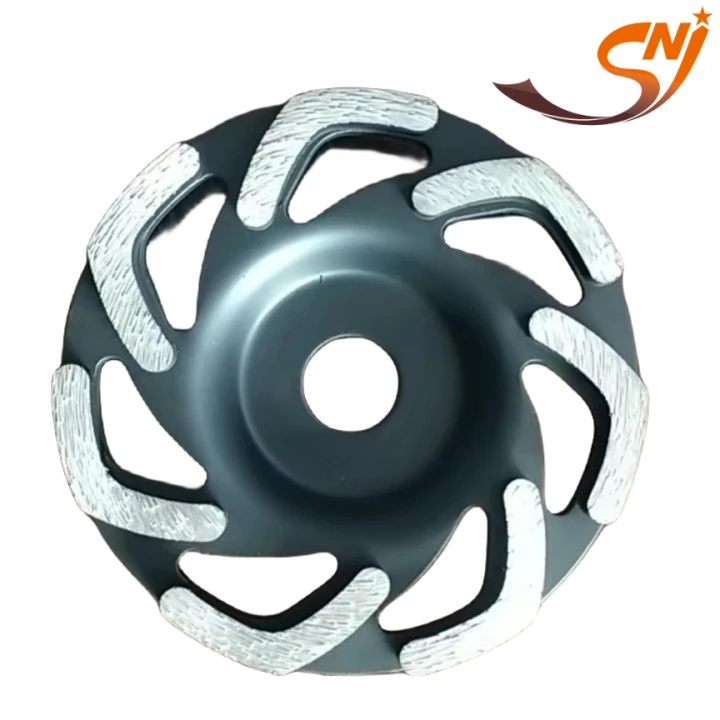
- Use High-Quality Abrasive Wheels: Investing in high-quality Double Row grinding wheels, such as the Hot Sale Diamond Cup Wheel Grinding Wheel With Irregular Tooth L Shape, can significantly improve the grinding performance and reduce the need for frequent spacing adjustments.
- Keep the Wheels Clean: Regularly clean the abrasive wheels to remove any debris, dust, or resin buildup that may affect the cutting performance and the spacing between the segments.
- Monitor the Grinding Process: Continuously monitor the grinding process to detect any signs of abnormal wear, excessive heat, or poor surface finish. If any issues are detected, stop the machine immediately and make the necessary adjustments.
- Train Your Operators: Provide proper training to your operators on how to adjust the spacing in a Double Row setup and how to recognize the signs of optimal and suboptimal grinding performance. This will help ensure consistent results and maximize the productivity of your grinding operations.
Conclusion
Adjusting the spacing in a Double Row setup is a critical step in achieving optimal grinding performance and productivity. By considering the factors discussed in this article and following the steps outlined above, you can ensure that your Double Row grinding wheels are properly adjusted for the specific application and material being ground.
As a trusted Double Row supplier, we offer a wide range of high-quality grinding wheels in various shapes and sizes, including the Of All Shapes And Sizes Row. Our products are designed to meet the diverse needs of our customers and provide exceptional performance and durability.
If you have any questions or need further assistance with spacing adjustment or any other aspect of Double Row grinding, please don't hesitate to contact us. We're here to help you achieve the best possible results in your grinding operations.
References
- Grinding Technology: Theory and Applications of Machining with Abrasives, by Stephen Malkin
- Handbook of Abrasive Technology, by Ramesh Singh
- Abrasive Machining: Processes and Technology, by John R. Barber