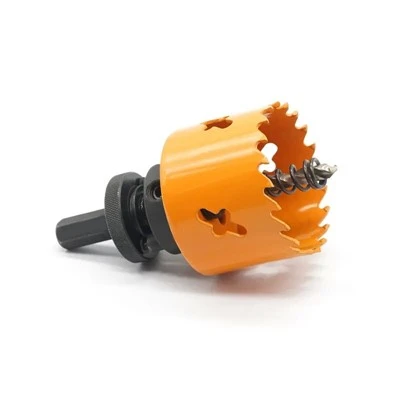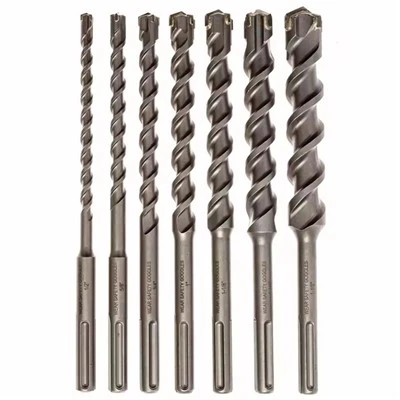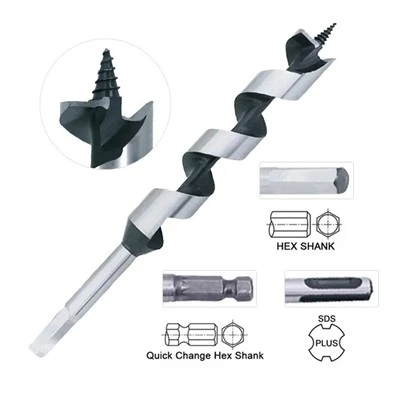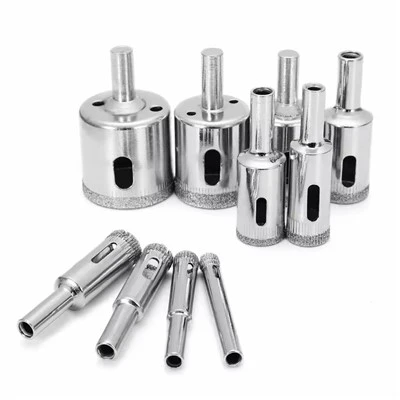
Hey there! As a supplier of Bi - metal Hole Saws, I've seen my fair share of issues that users face, and one of the most common problems is jamming. It's super frustrating when you're in the middle of a project, and your hole saw just gets stuck. But don't worry, I'm here to share some tips on how to avoid jamming when using a bi - metal hole saw.
Understanding Bi - metal Hole Saws
First off, let's quickly talk about what bi - metal hole saws are. A bi - metal hole saw combines two different metals. The teeth are usually made of high - speed steel (HSS), which is super hard and can cut through various materials like metal, wood, and plastic. The body is made of a different, more flexible metal. This combination gives the hole saw the strength to cut and the flexibility to handle the stress of cutting. You can check out our Bi - metal Hole Saw for more details.
Choosing the Right Hole Saw
The first step in avoiding jamming is to choose the right hole saw for the job. You need to consider the material you're cutting. Different materials require different tooth designs and hole saw sizes.
- Material: If you're cutting through soft materials like wood or plastic, you can use a hole saw with a larger tooth pitch. This allows the chips to clear more easily, reducing the chances of jamming. For harder materials like metal, a finer tooth pitch is better. Our CHINA Tools TCT Hole Saw and TCT Hole Saw are great options for cutting through tough materials.
- Size: Make sure the hole saw is the right size for the hole you need to cut. Using a hole saw that's too large or too small can cause problems. A too - large hole saw may put too much stress on the teeth, leading to jamming, while a too - small one may not cut efficiently.
Proper Installation
Installing the hole saw correctly is crucial. A poorly installed hole saw can cause uneven cutting and increase the risk of jamming.
- Arbor: Make sure the arbor is clean and free of debris. The hole saw should fit snugly on the arbor. If it's loose, it can wobble during cutting, causing the teeth to catch and jam.
- Tightening: Use the right tools to tighten the hole saw onto the arbor. Over - tightening can damage the hole saw, while under - tightening can cause it to come loose.
Cutting Speed
The cutting speed plays a big role in avoiding jamming. You don't want to go too fast or too slow.
- Too Fast: Cutting too fast can generate a lot of heat, which can dull the teeth and cause the chips to melt and stick to the hole saw. This can quickly lead to jamming.
- Too Slow: Cutting too slowly can also be a problem. The teeth may not cut through the material cleanly, and the chips may not clear properly. You need to find the right balance. As a general rule, start with a slower speed and gradually increase it as you get a feel for the cutting process.
Lubrication
Lubrication is key when using a bi - metal hole saw. It reduces friction and heat, which helps the chips clear more easily.

- Type of Lubricant: You can use a variety of lubricants, such as cutting oil or water - based lubricants. For metal cutting, cutting oil is usually the best choice. It helps to cool the teeth and prevent the chips from sticking.
- Application: Apply the lubricant regularly during cutting. You can use a brush or a spray bottle to apply it to the cutting area. Make sure the lubricant reaches the teeth of the hole saw.
Chip Clearance
Proper chip clearance is essential to avoid jamming. The chips need to be removed from the hole saw as quickly as possible.
- Tooth Design: As mentioned earlier, the tooth design affects chip clearance. Make sure the hole saw has a tooth design that allows the chips to flow out easily.
- Pausing: Take breaks during cutting to clear the chips. You can use a brush or compressed air to remove the chips from the hole saw. If the chips build up too much, they can block the teeth and cause jamming.
Maintenance
Regular maintenance of your bi - metal hole saw can significantly reduce the risk of jamming.
- Cleaning: After each use, clean the hole saw thoroughly. Remove any chips, debris, and lubricant. You can use a wire brush or a cleaning solution to clean the teeth.
- Sharpening: Over time, the teeth of the hole saw will wear down. Sharpening the teeth can restore their cutting performance. You can use a sharpening tool or take it to a professional for sharpening.
Operator Skill
Your skill as an operator also matters. A skilled operator is more likely to avoid jamming.
- Steady Pressure: Apply a steady, even pressure during cutting. Don't push too hard, as this can cause the teeth to bind. Let the hole saw do the work.
- Alignment: Keep the hole saw aligned with the cutting surface. If it's not aligned properly, it can cause uneven cutting and jamming.
Conclusion
Avoiding jamming when using a bi - metal hole saw is all about a combination of choosing the right tool, proper installation, correct cutting speed, lubrication, chip clearance, maintenance, and operator skill. By following these tips, you can make your cutting jobs smoother and more efficient.
If you're interested in purchasing high - quality bi - metal hole saws or have any questions about our products, feel free to reach out to us. We're here to help you with all your cutting needs.
References
- "Handbook of Metal Cutting and Machine Tools"
- "Power Tool User's Guide"