

When it comes to cutting holes in various materials, a TCT (Tungsten Carbide Tipped) hole saw is a popular and efficient tool. However, choosing the right pilot drill for a TCT hole saw is crucial for achieving optimal performance and accurate results. As a TCT Hole Saw supplier, I understand the importance of this decision and would like to share some insights on how to make the right choice.
Understanding the Role of the Pilot Drill
The pilot drill plays a vital role in the operation of a TCT hole saw. It serves as a guide, helping to center the hole saw on the material and preventing it from wandering during the cutting process. A properly selected pilot drill ensures that the hole saw cuts smoothly and accurately, reducing the risk of damage to the material and the tool itself.
Factors to Consider When Choosing a Pilot Drill
Material Compatibility
The first factor to consider when choosing a pilot drill for a TCT hole saw is the material you will be cutting. Different materials require different types of pilot drills. For example, when cutting through wood, a standard high - speed steel (HSS) pilot drill may be sufficient. HSS pilot drills are cost - effective and can handle the relatively soft nature of wood.
On the other hand, when cutting through metal, especially hard metals like stainless steel or cast iron, a carbide - tipped pilot drill is recommended. Carbide - tipped pilot drills are much harder and more wear - resistant than HSS, allowing them to penetrate tough metals without dulling quickly.
Drill Size
The size of the pilot drill is another important consideration. The diameter of the pilot drill should be appropriate for the size of the TCT hole saw. Generally, a smaller pilot drill is used for smaller hole saws, and a larger pilot drill is used for larger hole saws.
As a general rule of thumb, the pilot drill diameter should be around 1/3 to 1/2 of the diameter of the TCT hole saw. For example, if you are using a 2 - inch TCT hole saw, a pilot drill with a diameter of 3/8 to 1 inch would be suitable. Using a pilot drill that is too small may cause the hole saw to wander, while using a pilot drill that is too large may make it difficult to start the hole accurately.
Shank Type
The shank type of the pilot drill must be compatible with the arbor of the TCT hole saw. There are several common shank types, such as straight shanks and hex shanks. Straight shanks are the most common and are suitable for most standard arbors. Hex shanks, on the other hand, provide a more secure grip and are less likely to slip during operation, making them a good choice for high - torque applications.
Flute Design
The flute design of the pilot drill affects its chip removal ability. When cutting, chips are generated, and if they are not removed properly, they can clog the drill and reduce its cutting efficiency. Pilot drills with deep, wide flutes are better at removing chips, especially when cutting through thick materials.
Comparing Different Types of Hole Saws and Their Pilot Drill Requirements
Bi - metal Hole Saw
Bi - metal Hole Saw is another popular type of hole saw. Bi - metal hole saws are made of two different metals, usually high - speed steel teeth welded to a high - carbon steel body. The pilot drill requirements for bi - metal hole saws are similar to those of TCT hole saws. However, bi - metal hole saws are generally more suitable for cutting softer metals and wood, so HSS pilot drills are often sufficient for most applications.
TCT Hole Saw
TCT Hole Saw is known for its durability and cutting performance. TCT hole saws are capable of cutting through a wide range of materials, including hard metals, ceramics, and composites. When using a TCT hole saw, it is important to choose a pilot drill that can withstand the high cutting forces and the hardness of the materials being cut. Carbide - tipped pilot drills are often the best choice for TCT hole saws, especially when cutting hard materials.
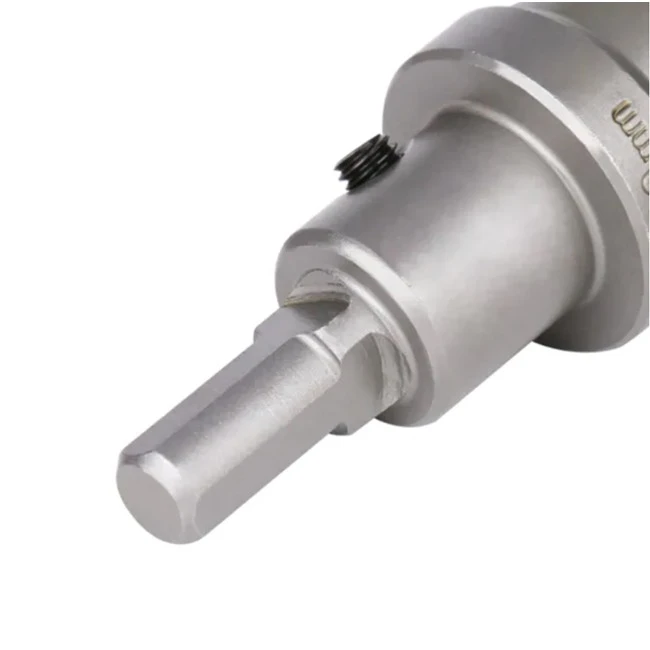

CHINA Tools TCT Hole Saw
CHINA Tools TCT Hole Saw offers high - quality and cost - effective solutions for hole - cutting needs. These hole saws are designed to meet international standards and are suitable for various industrial and DIY applications. The same principles of choosing the right pilot drill apply to CHINA Tools TCT Hole Saw as to other TCT hole saws. Make sure to consider the material, size, shank type, and flute design when selecting a pilot drill.
Tips for Using the Pilot Drill with a TCT Hole Saw
- Proper Installation: Ensure that the pilot drill is properly installed in the arbor of the TCT hole saw. Tighten the arbor nut securely to prevent the pilot drill from coming loose during operation.
- Starting the Hole: Mark the center of the hole on the material before starting. Use a center punch to create a small indentation at the center point. This will help the pilot drill to start accurately and prevent it from slipping.
- Cutting Speed and Pressure: Use the appropriate cutting speed and pressure for the material being cut. Applying too much pressure can cause the pilot drill to break or the hole saw to bind, while applying too little pressure may result in slow cutting and poor hole quality.
- Lubrication: When cutting through metal, it is recommended to use a suitable lubricant. Lubrication helps to reduce friction, extend the life of the pilot drill and the hole saw, and improve the cutting quality.
Conclusion
Choosing the right pilot drill for a TCT hole saw is essential for achieving accurate and efficient hole - cutting results. By considering factors such as material compatibility, drill size, shank type, and flute design, you can select the most suitable pilot drill for your specific application. Whether you are using a Bi - metal Hole Saw, a TCT Hole Saw, or a CHINA Tools TCT Hole Saw, following these guidelines will help you make the right choice.
If you are interested in purchasing high - quality TCT hole saws and the appropriate pilot drills, please feel free to contact us for more information and to discuss your specific requirements. Our team of experts is ready to assist you in finding the best solutions for your hole - cutting needs.
References
- "Handbook of Machining with Carbide Tools" by John A. Schey
- "Metal Cutting Principles" by Peter Oxley
- "Woodworking Tools and Techniques" by Popular Woodworking Magazine






