

Cutting a hole in ceramic is a delicate and precise task that requires the right tools, techniques, and knowledge. As a Cutting Cerimc supplier, I've had the opportunity to work with a wide range of customers, from DIY enthusiasts to professional contractors, and I understand the challenges and requirements involved in this process. In this blog post, I'll share some essential tips and guidelines on how to cut a hole in ceramic effectively and safely.
Understanding the Ceramic Material
Before you start cutting, it's crucial to understand the type of ceramic you're working with. Ceramics can vary significantly in terms of hardness, density, and composition, which can affect the cutting process. For example, porcelain ceramic is harder and denser than ceramic tile, making it more challenging to cut. On the other hand, ceramic tiles are generally more brittle and prone to cracking.
To determine the type of ceramic you have, you can look at its appearance, texture, and weight. Porcelain ceramic often has a smooth, glossy finish and is heavier than ceramic tile. Ceramic tile, on the other hand, may have a more matte finish and a lighter weight. If you're unsure about the type of ceramic you're working with, you can consult the manufacturer's specifications or seek advice from a professional.
Choosing the Right Tools
The success of your ceramic cutting project depends largely on the tools you use. Here are some essential tools you'll need to cut a hole in ceramic:
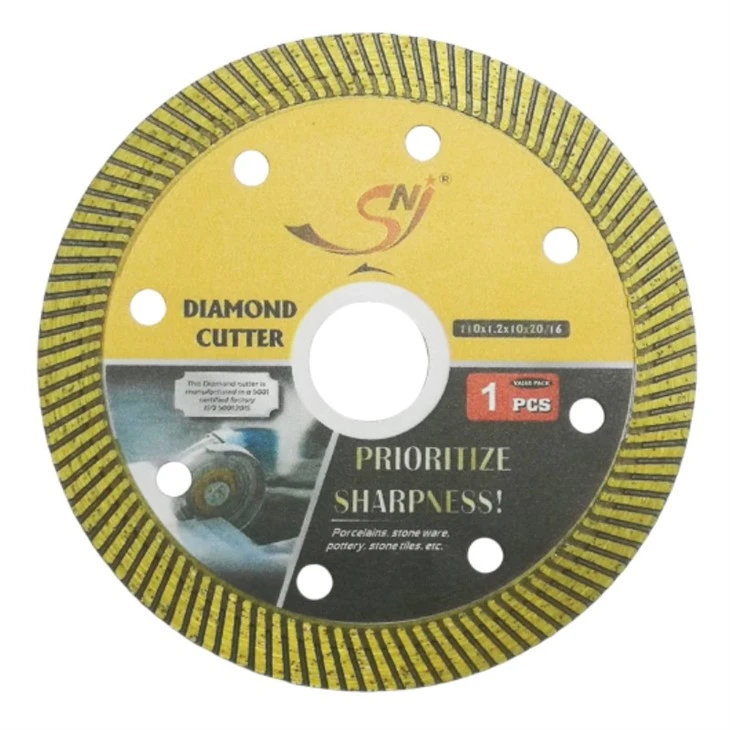
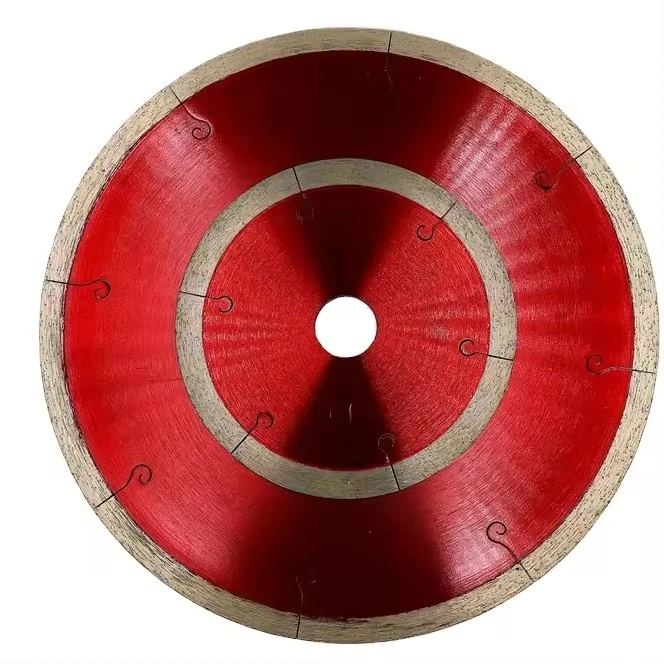
- Diamond Drill Bit: A diamond drill bit is the most effective tool for cutting holes in ceramic. Diamond is one of the hardest materials on earth, making it ideal for cutting through hard and dense materials like ceramic. When choosing a diamond drill bit, make sure to select one that is specifically designed for ceramic cutting. The size of the drill bit will depend on the size of the hole you need to cut.
- Drill Press or Handheld Drill: You'll need a drill press or a handheld drill to operate the diamond drill bit. A drill press provides more stability and precision, making it the preferred choice for professional contractors. However, a handheld drill can also be used for smaller projects or when working in tight spaces.
- Water Source: Cutting ceramic generates a lot of heat, which can damage the drill bit and the ceramic material. To prevent this, you'll need to use a water source to cool the drill bit and the ceramic surface. You can use a spray bottle or a water pump to apply water to the cutting area.
- Safety Equipment: Cutting ceramic can be dangerous, so it's important to wear the appropriate safety equipment. This includes safety glasses, gloves, and a dust mask to protect your eyes, hands, and lungs from debris and dust.
Preparing the Ceramic Surface
Before you start cutting, you'll need to prepare the ceramic surface to ensure a clean and accurate cut. Here's how to do it:
- Mark the Cutting Area: Use a pencil or a marker to mark the location and size of the hole you need to cut. Make sure to measure and mark the center of the hole accurately.
- Secure the Ceramic: To prevent the ceramic from moving or cracking during the cutting process, you'll need to secure it firmly in place. You can use clamps or a vise to hold the ceramic in place.
- Lubricate the Drill Bit: Apply a small amount of lubricant, such as water or cutting oil, to the drill bit to reduce friction and prevent overheating.
Cutting the Hole
Once you've prepared the ceramic surface, it's time to start cutting the hole. Here's a step-by-step guide on how to do it:
- Start the Drill: Turn on the drill and set it to a slow speed. Position the drill bit at the center of the marked hole and apply gentle pressure to start the cutting process.
- Apply Water: As you start cutting, use the water source to apply water to the cutting area. This will help to cool the drill bit and the ceramic surface and prevent the drill bit from overheating.
- Increase the Speed: Once the drill bit has made a small indentation in the ceramic surface, you can gradually increase the speed of the drill. However, make sure to keep the speed slow enough to prevent the drill bit from slipping or cracking the ceramic.
- Drill Through the Ceramic: Continue drilling through the ceramic until the drill bit has penetrated all the way through. Make sure to apply steady pressure and keep the drill bit perpendicular to the ceramic surface.
- Remove the Drill Bit: Once you've drilled through the ceramic, turn off the drill and remove the drill bit from the hole. Use a brush or a cloth to clean the hole and remove any debris or dust.
Finishing the Hole
After you've cut the hole, you may need to finish it to ensure a smooth and clean edge. Here's how to do it:
- Sand the Edge: Use a fine-grit sandpaper to sand the edge of the hole to remove any rough or jagged edges. Make sure to sand the edge evenly and smoothly.
- Polish the Edge: If you want to give the hole a more professional look, you can polish the edge using a polishing compound and a soft cloth. This will help to remove any scratches or marks and give the edge a smooth and shiny finish.
Tips and Tricks
Here are some additional tips and tricks to help you cut a hole in ceramic more effectively and safely:
- Use a Template: If you need to cut multiple holes in the same size and shape, you can use a template to ensure accuracy and consistency. You can create a template using cardboard or plastic and use it to mark the location and size of the holes.
- Take Breaks: Cutting ceramic can be a time-consuming and physically demanding task, so it's important to take breaks regularly to avoid fatigue and prevent accidents.
- Practice on a Scrap Piece: If you're new to ceramic cutting, it's a good idea to practice on a scrap piece of ceramic before you start working on your actual project. This will help you to get familiar with the tools and techniques and improve your skills.
Conclusion
Cutting a hole in ceramic is a challenging but rewarding task that requires the right tools, techniques, and knowledge. By following the tips and guidelines outlined in this blog post, you can cut a hole in ceramic effectively and safely. As a Cutting Cerimc supplier, I offer a wide range of high-quality cutting tools and equipment, including 105mm Cutting Cerimc, Hot Press 9 in Continuous Rim (laser Slot) Saw Blade For Ceramic Tile Granite, and China Factory Suppliers International Standard High Performance Segmented Diamond Saw Blade For Granite. If you have any questions or need further assistance, please don't hesitate to contact me. I'm always happy to help you with your ceramic cutting needs.
References
- Ceramic Tile Institute of America. (n.d.). Cutting Ceramic Tile. Retrieved from [Website URL]
- DIY Network. (n.d.). How to Cut Holes in Tile. Retrieved from [Website URL]
- Family Handyman. (n.d.). How to Drill Holes in Tile. Retrieved from [Website URL]






