Cutting glass tubes is a task that requires precision, the right tools, and a good understanding of the process. As a leading Cutting Glass supplier, we are well - versed in the art and science of glass tube cutting. In this blog, we'll walk you through the various methods and best practices for cutting glass tubes effectively.
Understanding the Basics of Glass Tubes
Before we dive into the cutting process, it's essential to understand the properties of glass tubes. Glass tubes come in different types, such as borosilicate glass, soda - lime glass, and quartz glass. Each type has its own unique characteristics in terms of thermal resistance, chemical durability, and hardness. For example, borosilicate glass is known for its high thermal resistance, making it suitable for applications involving heat, while soda - lime glass is more commonly used in general laboratory and household settings due to its lower cost.
Tools Required for Cutting Glass Tubes
To cut glass tubes successfully, you need the right tools. Here are some of the commonly used ones:
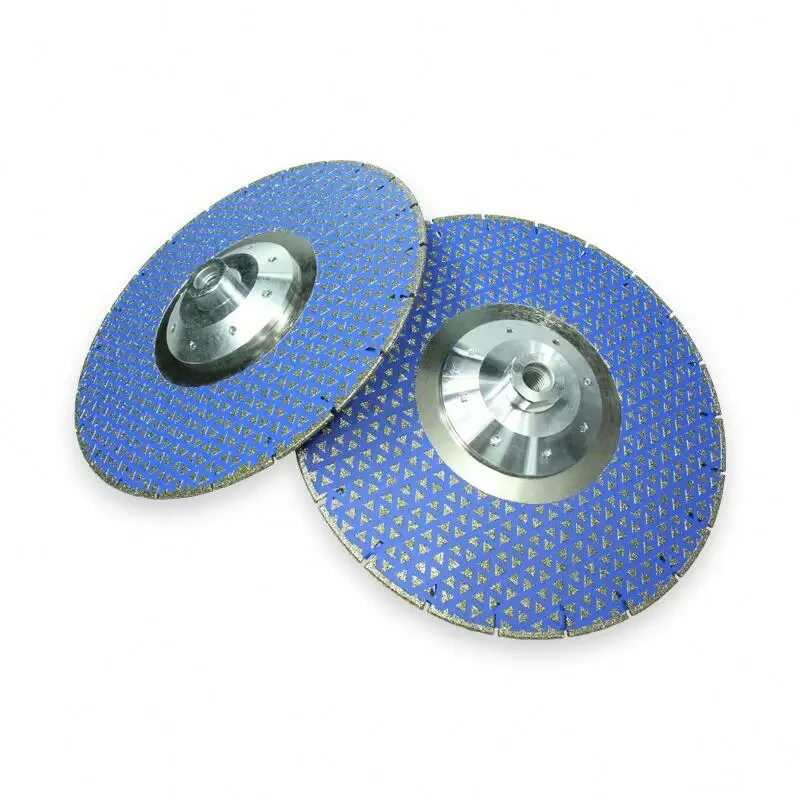

- Glass Cutter: A traditional glass cutter is a handheld tool with a hardened steel or diamond wheel. It's used to score the surface of the glass tube, creating a weak point along which the tube can be broken.
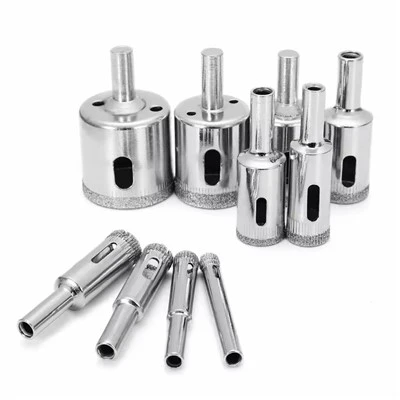
- Diamond Saw Blades: For more precise and clean cuts, especially on thicker glass tubes, diamond saw blades are an excellent choice. We offer a range of high - quality diamond saw blades for cutting glass tubes, such as the New Type Electroplated Diamond Saw Blade, Turbo Rim Electroplated Diamond Blade High Quality, and U - slot Electroplated Diamond Blade High Quality. These blades are designed to cut through glass with minimal chipping and a smooth finish.
- Safety Equipment: Safety should always be a priority when working with glass. Wear safety goggles to protect your eyes from glass shards and gloves to prevent cuts on your hands.
Methods of Cutting Glass Tubes
Using a Glass Cutter
- Mark the Cutting Point: First, decide where you want to cut the glass tube. Use a marker or a piece of tape to mark the exact location.
- Score the Glass: Hold the glass tube firmly in one hand and the glass cutter in the other. Place the wheel of the glass cutter on the marked line and apply firm, even pressure as you rotate the tube. Make a single, continuous score around the tube. Avoid going over the score line multiple times, as this can cause the glass to crack unevenly.
- Break the Glass: Once you've scored the glass, hold the tube firmly on either side of the score line. Apply gentle pressure in opposite directions, bending the tube slightly away from the score. The glass should break cleanly along the score line. If it doesn't break easily, you can try tapping the score line lightly with the handle of the glass cutter.
Using a Diamond Saw Blade
- Prepare the Saw: If you're using a table saw or a handheld saw with a diamond blade, make sure it's properly set up. Adjust the blade height and angle according to the thickness and diameter of the glass tube.
- Secure the Glass Tube: Use clamps or a vise to hold the glass tube firmly in place. This will prevent the tube from moving during the cutting process, ensuring a straight and accurate cut.
- Make the Cut: Turn on the saw and slowly feed the glass tube into the blade. Use a steady and even motion, and avoid forcing the tube through the blade too quickly. Let the blade do the work, and you'll get a clean, precise cut.
Tips for a Successful Cut
- Keep the Tools Sharp: Dull glass cutters or saw blades can result in uneven cuts and more chipping. Regularly check and replace your tools as needed.
- Clean the Glass Tube: Before cutting, clean the glass tube with a mild detergent and water to remove any dirt or grease. This will help the cutting tool make better contact with the glass surface.
- Practice on Scrap Tubes: If you're new to cutting glass tubes, it's a good idea to practice on some scrap tubes first. This will help you get a feel for the process and improve your technique.
Post - Cutting Care
After cutting the glass tube, you may need to smooth the edges to prevent cuts. You can use a fine - grit sandpaper or a glass grinder to gently sand the edges of the tube until they are smooth.
Applications of Cut Glass Tubes
Cut glass tubes have a wide range of applications in various industries. In the laboratory, they are used for creating custom - sized containers, burettes, and pipettes. In the art and craft world, cut glass tubes can be used for making jewelry, decorative items, and lighting fixtures. In the manufacturing industry, they are used in the production of electronic components, such as vacuum tubes and fiber optics.
Conclusion
Cutting glass tubes is a skill that can be mastered with the right tools and techniques. As a Cutting Glass supplier, we are committed to providing you with the highest - quality products and expert advice to help you achieve the best results. Whether you're a professional in the industry or a hobbyist, our range of diamond saw blades and other cutting tools will meet your needs.
If you're interested in purchasing our cutting glass products or have any questions about glass tube cutting, we encourage you to contact us for a procurement discussion. We look forward to working with you to meet your glass - cutting requirements.
References
- "Glass Technology Handbook" by W. D. Kingery
- "Laboratory Glassware: Handling and Techniques" by J. P. McEvoy