

As a cutting granite supplier, I've encountered numerous challenges and learned valuable lessons in handling granite dust during the cutting process. Granite dust is not only a nuisance but also a significant health hazard if not managed properly. In this blog, I'll share some effective strategies and best practices for dealing with granite dust to ensure a safe and efficient cutting operation.
Understanding the Risks of Granite Dust
Granite dust contains silica, a mineral that can cause serious health problems when inhaled. Prolonged exposure to silica dust can lead to silicosis, a progressive and incurable lung disease. Other health risks associated with granite dust include lung cancer, chronic obstructive pulmonary disease (COPD), and kidney disease. In addition to health risks, granite dust can also damage equipment, contaminate the work environment, and reduce visibility, increasing the risk of accidents.
Implementing Dust Control Measures
To minimize the risks associated with granite dust, it's essential to implement effective dust control measures. Here are some strategies that I've found to be particularly effective:
1. Use Water Suppression Systems
One of the most effective ways to control granite dust is to use water suppression systems. These systems work by spraying water onto the cutting area, which helps to capture and suppress the dust particles. Water suppression systems can be installed on the cutting equipment or used as standalone units. When using water suppression systems, it's important to ensure that the water is applied evenly and continuously to prevent the dust from becoming airborne.
2. Employ Local Exhaust Ventilation (LEV)
Local exhaust ventilation (LEV) systems are another effective way to control granite dust. These systems work by capturing the dust at the source and removing it from the work area through a series of ducts and filters. LEV systems can be installed on the cutting equipment or used as standalone units. When using LEV systems, it's important to ensure that the system is properly designed, installed, and maintained to ensure its effectiveness.
3. Wear Personal Protective Equipment (PPE)
Personal protective equipment (PPE) is an essential part of any dust control program. Workers should wear respiratory protection, such as N95 respirators, to prevent the inhalation of granite dust. In addition, workers should wear protective clothing, such as coveralls and gloves, to prevent skin contact with the dust. Eye protection, such as safety glasses or goggles, should also be worn to prevent eye irritation and damage.
4. Keep the Work Area Clean
Regular cleaning of the work area is essential to prevent the buildup of granite dust. Sweeping and vacuuming should be done regularly to remove the dust from the floors, walls, and equipment. When cleaning, it's important to use wet methods to prevent the dust from becoming airborne. In addition, all tools and equipment should be cleaned and maintained regularly to prevent the accumulation of dust.
Choosing the Right Cutting Tools
The choice of cutting tools can also have a significant impact on the amount of granite dust generated during the cutting process. Here are some tips for choosing the right cutting tools:
1. Select High-Quality Diamond Saw Blades
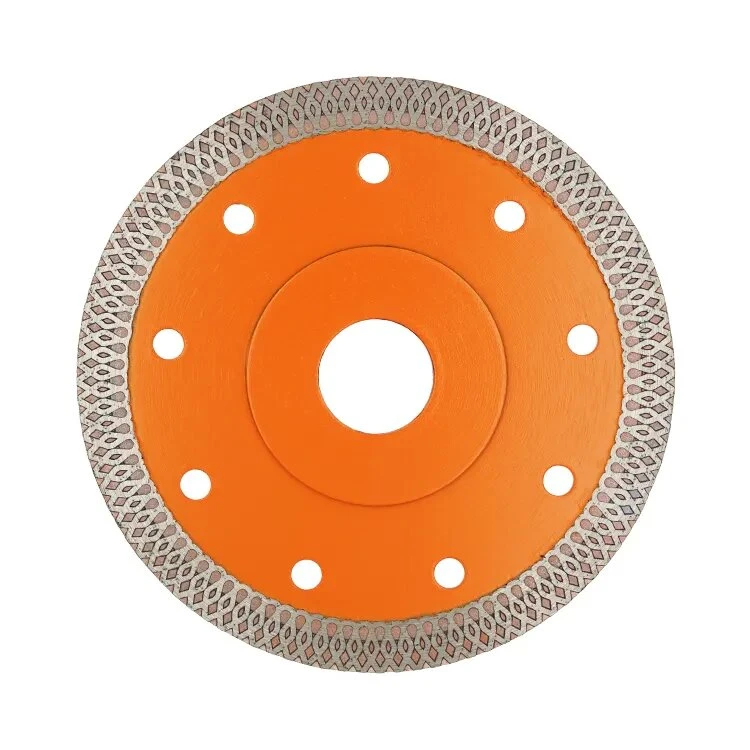
Diamond saw blades are the most commonly used cutting tools for granite. When choosing diamond saw blades, it's important to select high-quality blades that are designed specifically for cutting granite. High-quality diamond saw blades are more efficient and produce less dust than lower-quality blades. Cold Pressed Turbo Diamond Saw Blade for Cutting Granite and Cold Pressed Continuous Diamond Saw Blade for Cutting Granite are two examples of high-quality diamond saw blades that are designed for cutting granite.
2. Use the Right Blade Size and Type
The size and type of the diamond saw blade can also affect the amount of dust generated during the cutting process. When choosing a diamond saw blade, it's important to select the right size and type for the job. For example, a larger blade may be more efficient for cutting large pieces of granite, while a smaller blade may be more suitable for cutting smaller pieces. In addition, different types of diamond saw blades are designed for different cutting applications, so it's important to choose the right type of blade for the job. 300x50/60x3.2x10/12/15x21 Cutting Granite is an example of a diamond saw blade that is designed for cutting granite.
Training and Education
Training and education are essential for ensuring that workers understand the risks associated with granite dust and know how to use the dust control measures effectively. Workers should receive training on the proper use of cutting equipment, dust control measures, and personal protective equipment. In addition, workers should be educated on the health risks associated with granite dust and the importance of following the safety procedures.

Regular Monitoring and Maintenance
Regular monitoring and maintenance of the dust control measures are essential to ensure their effectiveness. The water suppression systems, LEV systems, and PPE should be regularly inspected and maintained to ensure that they are working properly. In addition, the work area should be regularly monitored for dust levels to ensure that the dust control measures are effective. If the dust levels exceed the recommended limits, additional dust control measures should be implemented.
Conclusion
Handling granite dust during the cutting process is a challenging but essential task for any cutting granite supplier. By implementing effective dust control measures, choosing the right cutting tools, providing training and education to workers, and regularly monitoring and maintaining the dust control measures, it's possible to minimize the risks associated with granite dust and ensure a safe and efficient cutting operation.
If you're interested in learning more about our cutting granite products or have any questions about handling granite dust, please don't hesitate to contact us. We're always happy to help and look forward to the opportunity to work with you.
References
- Occupational Safety and Health Administration (OSHA). (2018). Silica, Crystalline - General Industry and Maritime. Retrieved from https://www.osha.gov/silica
- National Institute for Occupational Safety and Health (NIOSH). (2018). NIOSH Pocket Guide to Chemical Hazards. Retrieved from https://www.cdc.gov/niosh/npg/






