

Selecting the right diamond saw blade for stone carving is a crucial decision that can significantly impact the quality of your work, the efficiency of your process, and the overall cost of your project. As a reputable diamond saw blade supplier, I understand the challenges and considerations that come with this choice. In this blog post, I will guide you through the key factors to consider when selecting a diamond saw blade for stone carving, and I'll also introduce some of our high - quality products that might meet your needs.
1. Type of Stone
The first and most important factor to consider is the type of stone you'll be carving. Different stones have different hardness, density, and abrasiveness, which require specific diamond saw blades to achieve optimal results.
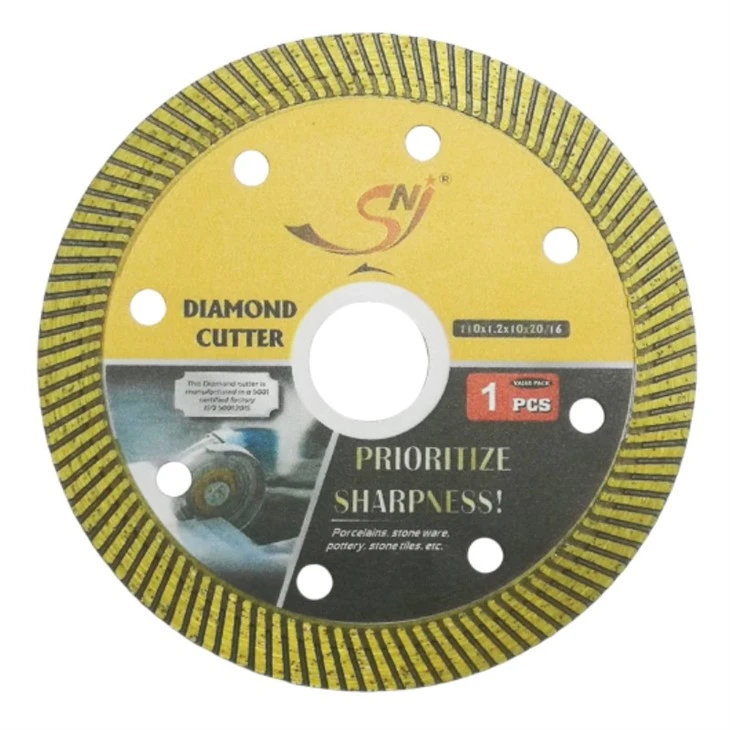

- Soft Stones: Stones like limestone, sandstone, and soapstone are relatively soft. For these types of stones, a saw blade with a lower concentration of diamonds and a softer bond can be used. The lower diamond concentration reduces the cost, and the softer bond allows the diamonds to be exposed more easily as they wear down, maintaining a sharp cutting edge. Our New Type Diamond Saw Blade Cutting Disc is a great option for soft stone carving, as it is designed to provide a smooth and efficient cut.
- Hard Stones: Granite, quartzite, and marble are harder stones. They require a saw blade with a higher diamond concentration and a harder bond. The higher diamond concentration ensures that there are enough cutting points to handle the tough material, and the harder bond holds the diamonds in place for a longer time, preventing premature wear. Our Diamond Super Thin Ceramic Tile Cutting Saw Blade Long Using Life 22.23 Hole Size 0.8 Think Body Cutting Disc is ideal for hard stone carving, as it offers excellent durability and cutting performance.
2. Blade Size
The size of the diamond saw blade is another important consideration. The blade size is typically determined by the size of the stone you're working with and the type of carving you're doing.
- Diameter: The diameter of the blade affects the depth of cut. A larger - diameter blade can cut deeper into the stone, which is useful for large - scale carving projects. However, larger blades also require more powerful saws to operate. Conversely, smaller - diameter blades are more suitable for detailed and intricate carving work, as they offer greater control. Our SNj 150mm Diamong Saw Blade is a popular choice for detailed stone carving due to its manageable size and precision.
- Thickness: The thickness of the blade affects the width of the cut. A thinner blade creates a narrower kerf, which means less material is wasted during the cutting process. However, thinner blades may be more prone to breakage, especially when cutting hard stones. Thicker blades are more durable but may result in more material loss.
3. Bond Type
The bond of a diamond saw blade refers to the material that holds the diamonds in place. There are three main types of bonds: metal bond, resin bond, and vitrified bond.
- Metal Bond: Metal - bonded saw blades are the most common type for stone carving. They are very durable and can withstand high pressures and temperatures. Metal - bonded blades are suitable for cutting hard and abrasive stones. However, they may produce a rougher cut surface compared to other bond types.
- Resin Bond: Resin - bonded saw blades are known for their smooth cutting action and ability to produce a fine finish. They are often used for polishing and finishing operations on softer stones. Resin - bonded blades have a lower cutting speed compared to metal - bonded blades but offer better precision.
- Vitrified Bond: Vitrified - bonded saw blades combine the advantages of both metal and resin bonds. They have a high cutting efficiency and can produce a smooth finish. Vitrified - bonded blades are suitable for a wide range of stone types, but they are generally more expensive.
4. Saw Compatibility
It's essential to ensure that the diamond saw blade you choose is compatible with your saw. Different saws have different arbor sizes, speeds, and power ratings.
- Arbor Size: The arbor size of the blade must match the arbor size of your saw. Using a blade with an incorrect arbor size can be dangerous and may damage both the blade and the saw.
- Speed and Power: The saw's speed and power should be appropriate for the blade. Using a blade on a saw that is too slow or underpowered can result in poor cutting performance and premature blade wear. Conversely, using a blade on a saw that is too fast or overpowered can cause the blade to overheat and break.
5. Quality and Brand
The quality of the diamond saw blade is directly related to its performance and lifespan. It's important to choose a blade from a reputable brand that uses high - quality diamonds and manufacturing processes.
- Diamond Quality: The quality of the diamonds used in the blade affects its cutting ability and durability. High - quality diamonds are more resistant to wear and can maintain a sharp cutting edge for a longer time.
- Manufacturing Process: A well - manufactured blade will have a uniform distribution of diamonds and a strong bond. This ensures consistent cutting performance and reduces the risk of blade failure.
6. Cost
Cost is always a consideration when selecting a diamond saw blade. While it may be tempting to choose the cheapest option, it's important to balance cost with quality and performance. A higher - quality blade may cost more upfront but can save you money in the long run by reducing the need for frequent blade replacements and improving the efficiency of your work.
In conclusion, selecting the right diamond saw blade for stone carving requires careful consideration of several factors, including the type of stone, blade size, bond type, saw compatibility, quality, and cost. As a diamond saw blade supplier, we offer a wide range of high - quality blades to meet your specific needs. Whether you're a professional stone carver or a hobbyist, we can help you find the perfect blade for your project.
If you're interested in learning more about our diamond saw blades or would like to discuss your specific requirements, please don't hesitate to contact us. We're here to assist you in making the best choice for your stone - carving needs.
References
- "Diamond Tools for Stone Processing" - Industry Handbook
- "Advanced Techniques in Stone Carving" - Professional Journal






