

Hey there! As a supplier in the cutting wood business, I've been getting a lot of questions lately about whether it's better to cut wood wet or dry. It's a hot topic, and there's no one - size - fits - all answer. So, let's dive right in and explore the ins and outs of this debate.
The Case for Cutting Wet Wood
First off, let's talk about the advantages of cutting wet wood. One of the most significant benefits is that wet wood is generally easier to cut. The moisture in the wood acts as a natural lubricant, reducing friction between the saw blade and the wood. This means that your saw blade will glide through the wood more smoothly, which can save you a lot of effort, especially if you're doing a large - scale cutting job.
Another plus of cutting wet wood is that it generates less dust. Dust is not only a nuisance but can also be a health hazard. When you cut dry wood, tiny wood particles are released into the air, and inhaling these particles over time can cause respiratory problems. With wet wood, the moisture helps to keep the dust down, creating a safer working environment.
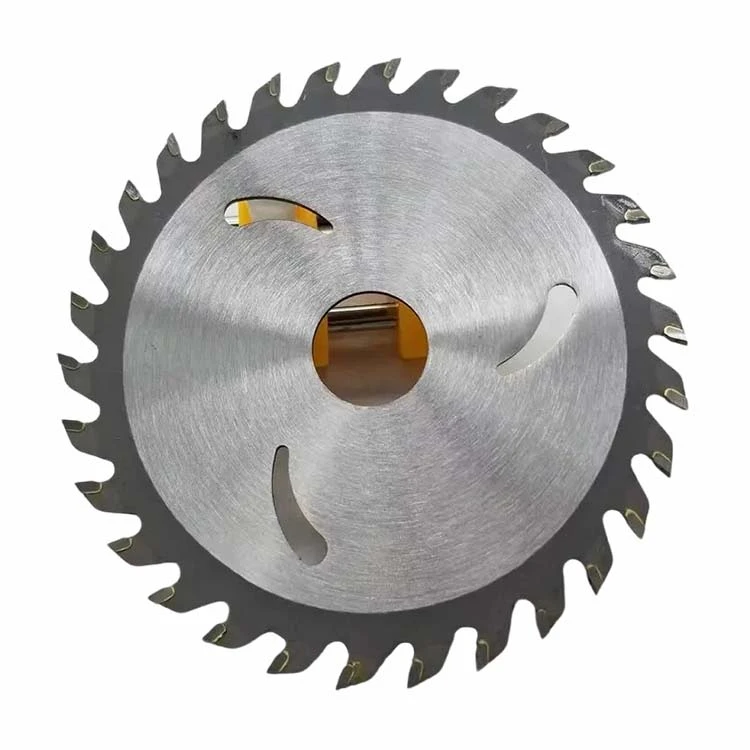
If you're using a Customized Size TCT Saw Blade For Woodworking, cutting wet wood can also extend the life of your blade. The reduced friction means less wear and tear on the blade's teeth. This is great news for your wallet, as replacing saw blades can be expensive.
However, there are also some downsides to cutting wet wood. One of the main issues is that wet wood is heavier than dry wood. This can make it more difficult to handle, especially if you're working alone. You'll need to use more strength to move and position the wood, which can be tiring.
Another problem is that wet wood may not be suitable for all types of projects. If you're making furniture or something that requires a high - quality finish, wet wood can be a challenge. As the wood dries, it may warp or shrink, which can affect the final appearance and structural integrity of your project.
The Case for Cutting Dry Wood
Now, let's look at the advantages of cutting dry wood. One of the biggest benefits is that dry wood is lighter than wet wood. This makes it much easier to handle, transport, and position. You won't have to struggle as much to move the wood around, which can save you time and energy.
Dry wood also tends to have a better finish when cut. It's easier to achieve a smooth, clean cut, which is essential for projects like cabinetry or wood carving. If you're aiming for a professional - looking result, dry wood is often the way to go.
When it comes to burning wood for heat, dry wood is the clear winner. It burns more efficiently and produces more heat than wet wood. This is because the moisture in wet wood needs to be evaporated before the wood can start to burn, which uses up a lot of energy.
But cutting dry wood isn't all sunshine and rainbows. As I mentioned earlier, cutting dry wood generates a lot of dust. You'll need to take extra precautions to protect yourself, such as wearing a dust mask and using a dust collection system.
Another drawback is that dry wood can be harder on your saw blade. The lack of moisture means there's more friction between the blade and the wood, which can cause the blade to dull more quickly. You may find yourself having to replace your TCT Saw Blade for Cutting Wood more frequently, which can add up in terms of cost.
Factors to Consider
So, how do you decide whether to cut wood wet or dry? Well, it depends on several factors.
Project Type: If you're working on a project that requires a high - quality finish, like a piece of fine furniture, dry wood is probably your best bet. On the other hand, if you're doing rough - cut work, like building a fence or a shed, wet wood may be more practical.
Saw Blade Quality: Using a high - quality saw blade, like the Sinodream TCT Saw Blade For Cutting Wood, can make a big difference. A good blade will be more durable and able to handle the challenges of cutting both wet and dry wood.
Working Conditions: If you're working in a well - ventilated area, the dust generated from cutting dry wood may not be as much of a concern. However, if you're working in a confined space, cutting wet wood to reduce dust may be a better option.
Time Constraints: If you're in a hurry to complete a project, cutting dry wood may be faster. You won't have to wait for the wood to dry after cutting, and it's generally easier to work with. But if time isn't an issue, you may be able to take advantage of the benefits of cutting wet wood.

Conclusion
In the end, there's no definitive answer to whether it's better to cut wood wet or dry. It all comes down to your specific needs and circumstances. As a cutting wood supplier, I've seen both methods work well in different situations.
If you're still not sure which approach is right for you, I'd be more than happy to help. We have a wide range of cutting wood products and saw blades to suit all your needs. Whether you're a professional woodworker or a DIY enthusiast, we can provide you with the advice and products you need to get the job done right.
So, if you're interested in purchasing high - quality cutting wood or saw blades, don't hesitate to reach out. Let's start a conversation about your project and find the best solutions together.
References
- Wood Handbook: Wood as an Engineering Material. Forest Products Laboratory.
- "The Effects of Moisture Content on Wood Cutting Processes." Journal of Wood Science.






