As a seasoned provider in the metal working industry, I've witnessed firsthand the complexities and challenges that come with large - scale metal working projects. These projects, often spanning across multiple industries such as construction, automotive, and aerospace, demand high precision, significant resources, and strict adherence to safety and quality standards. In this blog, I'll delve into the key challenges faced in large - scale metal working projects and how we, as a metal working supplier, strive to overcome them.


Material Sourcing and Quality Control
One of the primary challenges in large - scale metal working projects is sourcing high - quality raw materials in sufficient quantities. Metals such as steel, aluminum, and copper are the backbone of these projects, and any compromise in material quality can lead to structural failures, reduced product lifespan, and increased maintenance costs.
Finding reliable suppliers who can consistently provide materials that meet the required specifications is no easy feat. The market is saturated with various suppliers, each claiming to offer the best quality. However, not all of them can deliver on their promises. For instance, some suppliers may provide metals with inconsistent chemical compositions or mechanical properties, which can have a detrimental impact on the final product.
To ensure the quality of materials, we conduct rigorous inspections at every stage of the sourcing process. We work closely with our trusted suppliers, who are carefully vetted based on their reputation, production capabilities, and quality control measures. Before accepting any batch of materials, we perform a series of tests, including chemical analysis, tensile strength testing, and hardness testing. This helps us to identify any potential issues early on and take corrective actions.
In addition to quality, the availability of materials is also a major concern. Large - scale projects require a continuous supply of metals, and any disruption in the supply chain can cause significant delays. To mitigate this risk, we maintain a strategic inventory of key materials and establish long - term contracts with our suppliers. This allows us to secure a stable supply of materials and avoid shortages.
Precision Machining and Tolerance Control
Precision is crucial in metal working, especially in large - scale projects where even the slightest deviation can have far - reaching consequences. Machining operations such as cutting, drilling, and milling must be carried out with extreme accuracy to ensure that the final product meets the design specifications.
Achieving tight tolerances in large - scale metal working is challenging due to several factors. Firstly, the size and weight of the workpieces can make them difficult to handle and position accurately. For example, machining a large steel plate requires specialized equipment and fixtures to hold the workpiece securely and prevent it from moving during the machining process.
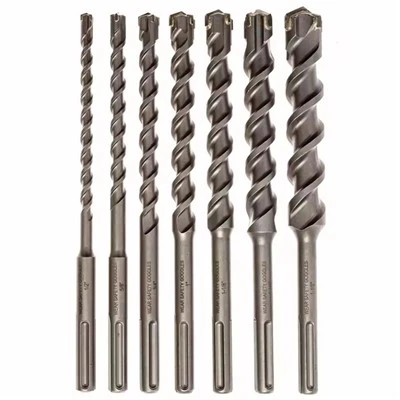
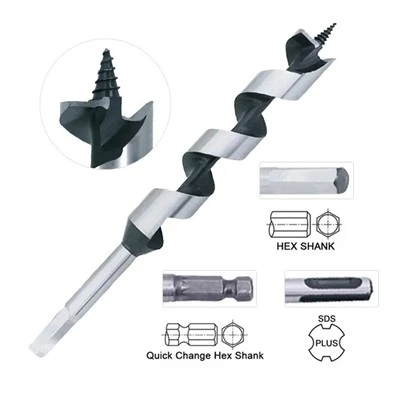
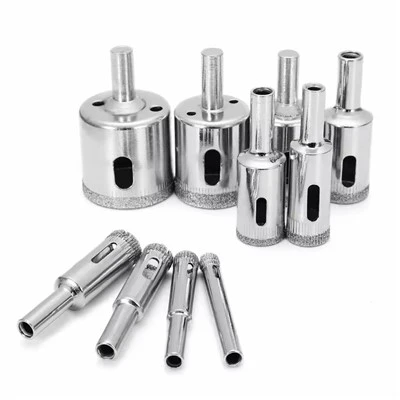
Secondly, the cutting tools used in metal working can wear out over time, which can affect the accuracy of the machining operations. To address this issue, we regularly monitor the condition of our cutting tools and replace them when necessary. We also invest in high - quality cutting tools, such as the [Bi - metal Hole Saw](/hole - saw/metal - working/bi - metal - hole - saw.html), [CHINA Tools TCT Hole Saw](/hole - saw/metal - working/china - tools - tct - hole - saw.html), and [TCT Hole Saw](/hole - saw/metal - working/tct - hole - saw.html), which are designed to provide long - lasting performance and high precision.
Thirdly, environmental factors such as temperature and humidity can also affect the accuracy of machining operations. Changes in temperature can cause the workpiece and the cutting tools to expand or contract, leading to dimensional variations. To minimize the impact of environmental factors, we maintain a controlled manufacturing environment and use advanced metrology equipment to measure and monitor the dimensions of the workpieces during the machining process.
Project Management and Coordination
Large - scale metal working projects typically involve multiple stakeholders, including clients, contractors, designers, and suppliers. Effective project management and coordination are essential to ensure that the project is completed on time, within budget, and to the required quality standards.
One of the main challenges in project management is scheduling. Large - scale projects often have complex schedules that involve multiple tasks and dependencies. Any delay in one task can have a cascading effect on the entire project schedule. To address this issue, we use project management software to create detailed schedules and track the progress of each task. We also hold regular project meetings to communicate with all stakeholders and address any issues or concerns in a timely manner.
Another challenge is resource allocation. Large - scale projects require a significant amount of resources, including labor, equipment, and materials. Allocating these resources effectively is crucial to ensure that the project runs smoothly. We carefully analyze the project requirements and allocate resources based on their availability and suitability. We also maintain a flexible approach to resource allocation, allowing us to adjust the allocation as needed to meet the changing project requirements.
Communication is also a critical aspect of project management. Clear and effective communication between all stakeholders is essential to ensure that everyone is on the same page and working towards the same goals. We use a variety of communication channels, including email, phone, and face - to - face meetings, to keep all stakeholders informed about the project progress, issues, and changes.
Safety and Environmental Regulations
Safety is of utmost importance in metal working, especially in large - scale projects where workers are exposed to various hazards such as heavy machinery, sharp tools, and toxic chemicals. Complying with safety regulations is not only a legal requirement but also a moral obligation to protect the well - being of our workers.
We have implemented a comprehensive safety management system that includes regular safety training, hazard identification, and risk assessment. Our workers are trained on how to use the equipment safely, how to handle hazardous materials, and how to respond to emergencies. We also provide personal protective equipment (PPE) to all workers and ensure that they wear it at all times.
In addition to safety, environmental regulations are also a major concern in large - scale metal working projects. Metal working processes can generate a significant amount of waste, including metal chips, coolant, and sludge. Disposing of this waste in an environmentally friendly manner is essential to minimize the impact on the environment.
We have implemented an environmental management system that includes waste reduction, recycling, and proper disposal of hazardous materials. We strive to minimize the amount of waste generated during the metal working process by optimizing our production processes and using reusable materials. We also work with licensed waste management companies to ensure that all waste is disposed of in accordance with environmental regulations.
Cost Management
Cost management is a critical challenge in large - scale metal working projects. These projects often have tight budgets, and any cost overruns can have a significant impact on the profitability of the project.
One of the main factors contributing to cost overruns is the unexpected increase in material prices. The price of metals can fluctuate significantly due to various factors such as supply and demand, market conditions, and geopolitical events. To mitigate this risk, we closely monitor the metal market and negotiate long - term contracts with our suppliers to lock in favorable prices.
Another factor is the inefficiency of the production process. Inefficient processes can lead to increased labor costs, longer production times, and higher waste generation. To improve the efficiency of our production processes, we invest in advanced technology and equipment, such as computer - numerical - control (CNC) machines, which can automate many of the machining operations and reduce the need for manual labor.
We also conduct regular cost analysis to identify areas where costs can be reduced. This includes analyzing the cost of materials, labor, equipment, and overheads. By identifying cost - saving opportunities, we can make informed decisions and take actions to optimize the project costs.
Conclusion
Large - scale metal working projects present a multitude of challenges, from material sourcing and quality control to precision machining, project management, safety, and cost management. However, with the right strategies and approaches, these challenges can be overcome.
As a metal working supplier, we are committed to providing high - quality products and services to our clients. We invest in advanced technology and equipment, hire skilled and experienced workers, and implement strict quality control and safety measures. By doing so, we can ensure that our clients' large - scale metal working projects are completed successfully, on time, and within budget.
If you are planning a large - scale metal working project and are looking for a reliable supplier, we would be delighted to discuss your requirements and provide you with a customized solution. Contact us today to start the conversation and explore how we can work together to achieve your project goals.
References
- "Metalworking Handbook" by American Society for Metals
- "Project Management for Dummies" by Stanley E. Portny
- "Safety in Metalworking" by Occupational Safety and Health Administration (OSHA)