

Hey there! I'm a supplier in the cutting marble business, and over the years, I've seen my fair share of mistakes when it comes to cutting this beautiful stone. Marble is a luxurious and elegant material, but cutting it can be a tricky process. In this blog, I'll share some of the common mistakes people make when cutting marble and how you can avoid them.
1. Using the Wrong Saw Blade
One of the most common mistakes is using the wrong saw blade for the job. Marble is a relatively soft stone, but it still requires a specific type of saw blade to cut it effectively. Using the wrong blade can lead to a rough cut, chipping, and even damage to the blade itself.
- Dull Blades: A dull blade won't cut through the marble smoothly. It'll force you to apply more pressure, which can cause the marble to crack or chip. Always make sure your blade is sharp before you start cutting. You can tell if a blade is dull if it's taking longer to cut through the marble or if it's leaving a rough edge.
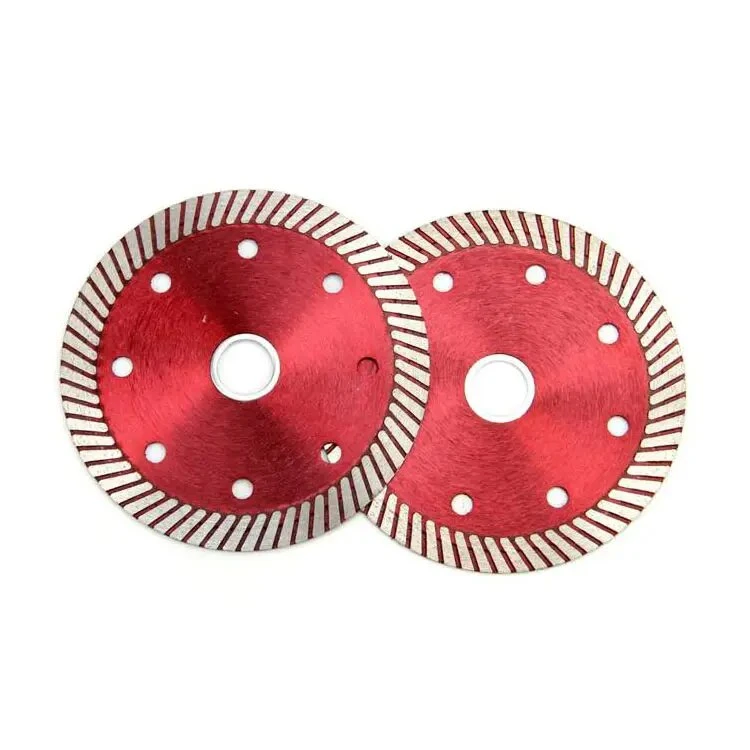
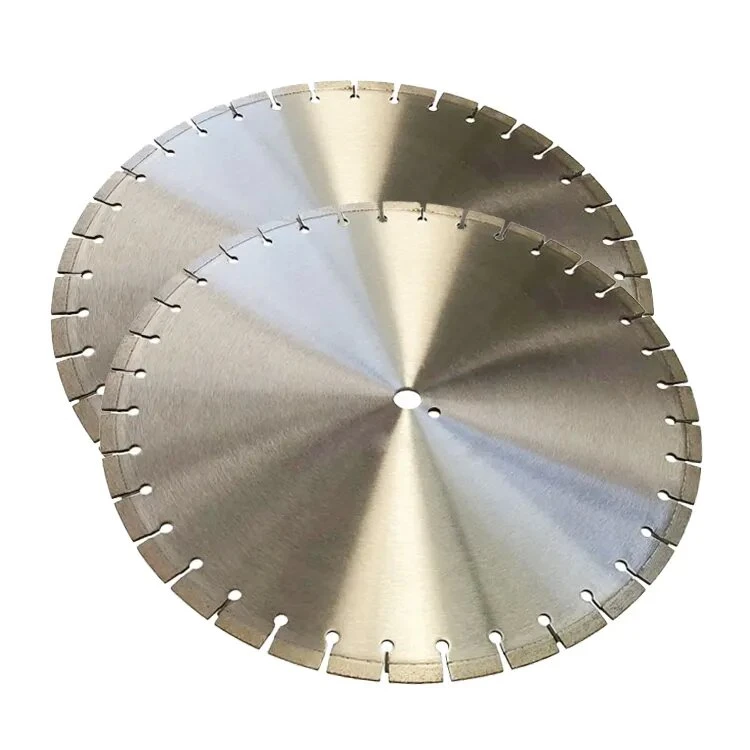
- Incorrect Blade Type: There are different types of saw blades for cutting marble, such as Cold Pressed Turbo Diamond Saw Blade for Cutting Marble, Hot Pressed Turbo Diamond Saw Blade for Cutting Marble, and High Frequency Welding Diamond Saw Blade. Each type is designed for specific cutting tasks and marble qualities. For example, a cold - pressed turbo diamond saw blade is great for general cutting, while a high - frequency welding diamond saw blade might be better for more precise cuts. Using the wrong type of blade can result in a poor - quality cut and reduced blade life.
2. Not Measuring Properly
Accurate measurements are crucial when cutting marble. Even a small error in measurement can lead to a piece that doesn't fit properly, causing delays and additional costs.
- Inaccurate Markings: Before you start cutting, you need to mark the marble precisely. Use a straightedge and a pencil or a marker specifically designed for stone. Make sure your markings are clear and accurate. If you're cutting multiple pieces, double - check your measurements for each one.
- Not Accounting for Kerf: The kerf is the width of the cut made by the saw blade. When you're measuring and marking the marble, you need to account for the kerf. If you don't, your final pieces may be slightly smaller than you intended.
3. Applying Too Much Pressure
Many people think that applying more pressure will make the saw cut through the marble faster. However, this is a big mistake. Marble is a brittle material, and too much pressure can cause it to crack or chip.
- Let the Blade Do the Work: A good quality saw blade is designed to cut through the marble with the right amount of speed and rotation. Instead of forcing the saw through the stone, let the blade do the work. Guide the saw gently along the marked line, and the blade will cut through the marble smoothly.
- Monitoring the Cutting Process: Pay attention to how the saw is cutting. If you feel that the saw is struggling, it's probably because the blade is dull or you're using the wrong type of blade, not because you're not applying enough pressure.
4. Ignoring Safety Precautions
Cutting marble can be dangerous if you don't follow the proper safety precautions.
- Wearing Protective Gear: Always wear safety goggles to protect your eyes from flying debris. Gloves are also essential to protect your hands from sharp edges and the vibration of the saw. A dust mask is necessary to prevent you from inhaling marble dust, which can be harmful to your lungs.
- Working in a Safe Environment: Make sure your work area is well - ventilated to reduce the amount of dust in the air. Secure the marble firmly in place before you start cutting to prevent it from moving and causing an accident.
5. Not Cooling the Blade
Diamond saw blades generate a lot of heat when cutting through marble. If the blade isn't cooled properly, it can overheat, which can damage the blade and affect the quality of the cut.
- Using a Cooling System: Most professional saws for cutting marble come with a cooling system. This system circulates water over the blade to keep it cool. If your saw doesn't have a built - in cooling system, you can use a spray bottle to apply water to the blade during the cutting process.
- Avoiding Overheating: Don't let the blade cut continuously for long periods without giving it a break. If the blade starts to smoke or you notice a change in the cutting performance, stop and let the blade cool down.
6. Poor Edge Finishing
The edge of the cut marble is just as important as the cut itself. A poorly finished edge can make the entire piece look unprofessional.
- Not Using the Right Tools: To finish the edges of the marble, you need to use the right tools, such as a stone grinder or a polishing pad. These tools can smooth out the rough edges and give the marble a professional look.
- Skipping the Polishing Step: After cutting and grinding the edges, it's important to polish them. Polishing not only makes the edges look better but also protects them from chipping and wear.
7. Improper Storage of Marble
Even after you've cut the marble, improper storage can cause damage.
- Stacking Incorrectly: If you stack the cut marble pieces on top of each other without proper padding, the weight can cause the bottom pieces to crack. Use soft pads or felt between the pieces to prevent damage.
- Exposure to the Elements: Marble is sensitive to moisture and extreme temperatures. Store the cut pieces in a dry, cool place away from direct sunlight and moisture.
How to Avoid These Mistakes
Now that you know the common mistakes, here's how you can avoid them:
- Do Your Research: Before you start cutting marble, learn as much as you can about the process. Read up on the different types of saw blades, safety precautions, and cutting techniques.
- Invest in Quality Tools: Using high - quality saw blades and other tools will make the cutting process easier and more efficient. It may cost more upfront, but it'll save you money in the long run by reducing the risk of mistakes and damage.
- Practice on Scrap Pieces: If you're new to cutting marble, practice on scrap pieces first. This will help you get a feel for the saw and the cutting process without risking expensive marble.
If you're in the market for cutting marble and need high - quality saw blades and other cutting tools, don't hesitate to reach out. We're here to help you avoid these common mistakes and ensure a successful cutting project. Whether you're a professional contractor or a DIY enthusiast, we have the products and expertise to meet your needs. Contact us to start a procurement discussion and let's make your marble cutting project a success!
References
- Stone Cutting Handbook, Various Industry Experts
- Marble Cutting Techniques: A Practical Guide, Published by Stone Industry Press






