

Hey there! I'm a supplier in the wood - cutting business, and today I wanna chat about the cost of a good wood - cutting saw.
Let's start by understanding what makes a wood - cutting saw "good." A good saw should be sharp, durable, and able to cut through different types of wood efficiently. There are various factors that influence the cost of these saws, and we'll dig into each one.
Quality of Materials
The materials used in making a saw blade play a huge role in determining its price. For instance, a saw blade made from high - quality carbide or Tungsten Carbide Tipped (TCT) is gonna cost more than one made from regular steel. TCT saw blades are known for their exceptional hardness and wear resistance. They can maintain their sharpness for a long time, even when cutting through tough woods like oak or maple.
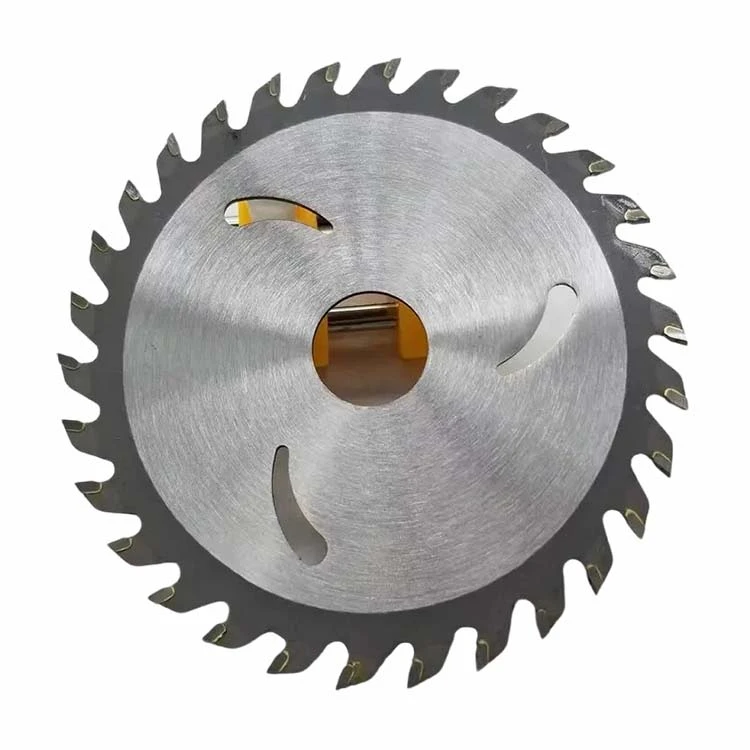

If you're in the market for a TCT saw blade, you might wanna check out TCT Saw Blade For Woodworking. These blades are designed to offer precise cuts and are built to last, which is why they come with a higher price tag. The manufacturing process of TCT blades involves bonding small pieces of carbide to the blade's teeth, and this complex process adds to the cost.
Blade Design and Teeth Configuration
The design of the saw blade and the configuration of its teeth also impact the cost. Blades with more teeth generally provide a smoother cut, but they can be more expensive. For example, a blade with 80 teeth will cut more smoothly than one with 40 teeth, but you'll pay more for that extra precision.
Some saw blades are designed for specific types of cuts, like cross - cuts or rip cuts. Cross - cut blades have a different tooth configuration compared to rip - cut blades. Cross - cut blades are made to cut across the grain of the wood, while rip - cut blades are designed to cut along the grain. Specialized blades like these often cost more because of their targeted functionality.
If you're looking for a blade that offers both sharpness and a great design, Sharp Cutting Wood Saw Blade is a great option. These blades are engineered to give you clean and accurate cuts, whether you're working on a small DIY project or a large - scale woodworking job.
Brand Reputation
Brand matters when it comes to the cost of wood - cutting saws. Well - known brands with a good reputation for quality and reliability usually charge more for their products. These brands have invested a lot in research and development, as well as in building their brand image. They also offer better customer support and warranties, which adds to the overall cost.
However, it's not always necessary to go for the most expensive brand. There are some lesser - known brands that offer high - quality saws at a more affordable price. You just need to do your research and read reviews from other woodworkers to find the right balance between quality and cost.
Size of the Saw
The size of the saw blade is another factor that affects the price. Larger blades generally cost more than smaller ones. This is because they require more material to manufacture, and they also have more teeth. A larger blade can cut through thicker pieces of wood, which makes it suitable for industrial or heavy - duty applications.
On the other hand, smaller blades are more affordable and are great for small - scale projects or for working in tight spaces. If you're just starting out in woodworking or if you only have occasional projects, a smaller blade might be a better option for you.
Market Demand and Competition
The law of supply and demand also plays a role in the cost of wood - cutting saws. If there's a high demand for a particular type of saw blade and the supply is limited, the price will go up. Conversely, if there's a lot of competition in the market, prices tend to be more competitive.
Right now, there's a high demand for Hot Sale TCT Saw Blade For Woodworking. These blades are popular because of their quality and performance. As a result, the price might be a bit higher, but you're getting a product that's in high demand for a reason.
Cost - Benefit Analysis
When you're considering the cost of a wood - cutting saw, it's important to do a cost - benefit analysis. A more expensive saw might save you money in the long run. For example, a high - quality TCT saw blade might cost more upfront, but it will last longer and require less frequent replacement. This means you won't have to keep buying new blades, which can add up over time.
A cheaper saw blade might seem like a good deal at first, but it might not cut as well or last as long. You might end up spending more on replacements and dealing with poor - quality cuts, which can be frustrating and time - consuming.
Maintenance Costs
Don't forget about the maintenance costs when calculating the total cost of a wood - cutting saw. Some saw blades require special cleaning and sharpening procedures. For example, TCT blades need to be sharpened by a professional because the carbide tips are very hard. This service can cost some money, but it's necessary to keep the blade in good condition.
Regular maintenance can also extend the life of your saw blade, so it's worth investing in. You can save on maintenance costs by choosing a saw blade that's easy to clean and maintain.
Conclusion
So, what's the cost of a good wood - cutting saw? Well, it depends on a lot of factors, including the quality of materials, blade design, brand reputation, size, market demand, and maintenance costs. A good wood - cutting saw can range from a relatively affordable price for a basic blade to a higher price for a high - end, specialized blade.
If you're in the market for a wood - cutting saw, I encourage you to do your research and consider all these factors. Look at different brands, read reviews, and compare prices. And if you have any questions or if you're ready to make a purchase, feel free to reach out. I'm here to help you find the right saw for your needs. Whether you're a professional woodworker or a DIY enthusiast, I can provide you with the best options at competitive prices. Let's start a conversation about your wood - cutting requirements and find the perfect saw for you!
References
- Woodworking Magazine: "The Ultimate Guide to Wood - Cutting Saws"
- Industry reports on the wood - cutting tool market






