

As a seasoned supplier of TCT (Tungsten Carbide Tipped) saw blades, I've witnessed firsthand the critical role that cutting speed plays in the efficiency and quality of cutting operations across various materials. Understanding the optimal cutting speed for different materials is not just a matter of technical knowledge; it's a key factor in enhancing productivity, reducing costs, and achieving superior cutting results. In this blog post, I'll delve into the intricacies of TCT saw blade cutting speeds for different materials, offering insights and guidelines based on years of industry experience.
Understanding Cutting Speed
Before we dive into the specific cutting speeds for different materials, let's first clarify what cutting speed means. Cutting speed, often measured in surface feet per minute (SFM) or meters per minute (m/min), refers to the rate at which the cutting edge of the saw blade moves across the workpiece. It's a crucial parameter that directly impacts the cutting performance, tool life, and surface finish of the cut.
The cutting speed is determined by several factors, including the material being cut, the type and quality of the saw blade, the machine's power and capabilities, and the desired cutting results. Selecting the appropriate cutting speed is essential to ensure efficient cutting, minimize blade wear, and prevent overheating and damage to the workpiece.
Cutting Speeds for Different Materials
Wood
Wood is one of the most common materials cut with TCT saw blades, and the cutting speed for wood depends on the type of wood, its hardness, and the thickness of the workpiece. Generally, softer woods such as pine, cedar, and poplar can be cut at higher speeds, while harder woods like oak, maple, and walnut require slower cutting speeds to avoid chipping and splintering.
For softwoods, a cutting speed of 3,000 to 5,000 SFM (914 to 1,524 m/min) is typically recommended. This allows for fast and efficient cutting while maintaining a smooth surface finish. When cutting hardwoods, a lower cutting speed of 2,000 to 3,000 SFM (610 to 914 m/min) is more appropriate to ensure clean cuts and minimize blade wear.
It's important to note that the cutting speed may also need to be adjusted based on the type of woodworking operation. For example, ripping cuts (cutting along the grain) can generally be performed at higher speeds than crosscuts (cutting across the grain) due to the reduced resistance.
Metal
Cutting metal with a TCT saw blade requires a different approach compared to wood. Metals are generally harder and more abrasive than wood, which means they require slower cutting speeds and higher feed rates to prevent blade damage and ensure accurate cuts.
The cutting speed for metal depends on the type of metal, its hardness, and the thickness of the workpiece. For mild steel, a cutting speed of 100 to 200 SFM (30 to 61 m/min) is typically recommended. Stainless steel, which is harder and more difficult to cut, requires a lower cutting speed of 50 to 100 SFM (15 to 30 m/min). Aluminum, on the other hand, can be cut at higher speeds of 300 to 500 SFM (91 to 152 m/min) due to its relatively low hardness.
When cutting metal, it's crucial to use a coolant or lubricant to reduce friction and heat, which can extend the blade's life and improve the cutting performance. Additionally, the saw blade should have a high tooth count and a specialized tooth geometry designed for metal cutting.
Plastic
Plastic is a versatile material that can be cut with TCT saw blades, but the cutting speed for plastic depends on the type of plastic, its hardness, and the thickness of the workpiece. Generally, softer plastics such as PVC, acrylic, and polycarbonate can be cut at higher speeds, while harder plastics like nylon and acetal require slower cutting speeds to avoid melting and chipping.
For soft plastics, a cutting speed of 2,000 to 4,000 SFM (610 to 1,219 m/min) is typically recommended. This allows for fast and efficient cutting while maintaining a smooth surface finish. When cutting harder plastics, a lower cutting speed of 1,000 to 2,000 SFM (305 to 610 m/min) is more appropriate to ensure clean cuts and prevent damage to the blade.
It's important to note that the cutting speed may also need to be adjusted based on the type of plastic cutting operation. For example, cutting thin sheets of plastic can generally be performed at higher speeds than cutting thick blocks of plastic due to the reduced resistance.
Factors Affecting Cutting Speed
In addition to the material being cut, several other factors can affect the cutting speed of a TCT saw blade. These factors include:
Blade Quality
The quality of the saw blade plays a crucial role in determining the cutting speed. High-quality TCT saw blades are made with premium carbide tips and advanced manufacturing techniques, which provide better cutting performance, longer tool life, and higher cutting speeds. Inferior quality saw blades may not be able to withstand the high speeds and pressures required for efficient cutting, resulting in premature wear and reduced cutting performance.
Machine Power and Capabilities
The power and capabilities of the cutting machine also affect the cutting speed. A more powerful machine can generally operate at higher speeds and handle larger workpieces, allowing for faster cutting. Additionally, the machine's spindle speed, feed rate, and stability can impact the cutting performance and the ability to maintain a consistent cutting speed.

Tooth Geometry
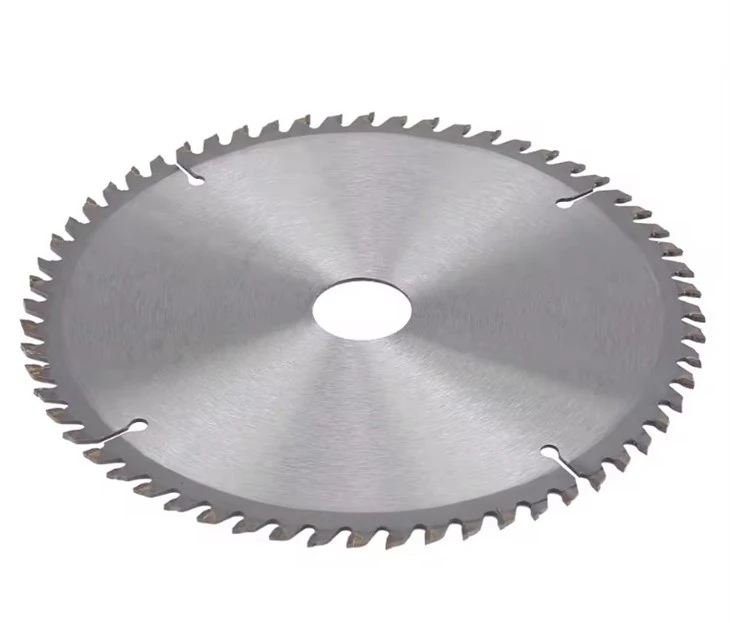
The tooth geometry of the saw blade is another important factor that affects the cutting speed. Different tooth geometries are designed for specific materials and cutting applications, and selecting the appropriate tooth geometry can significantly improve the cutting performance and efficiency. For example, a blade with a high tooth count and a fine tooth pitch is ideal for cutting thin materials and achieving a smooth surface finish, while a blade with a lower tooth count and a coarse tooth pitch is better suited for cutting thick materials and removing large amounts of material quickly.
Feed Rate
The feed rate, or the speed at which the workpiece is fed into the saw blade, is closely related to the cutting speed. A higher feed rate can increase the cutting efficiency, but it also requires a higher cutting speed to maintain a clean cut. Conversely, a lower feed rate may be necessary when cutting at slower speeds to prevent the blade from overheating and causing damage to the workpiece.
Selecting the Right TCT Saw Blade
Selecting the right TCT saw blade for your specific cutting application is essential to ensure optimal cutting performance and efficiency. When choosing a saw blade, consider the following factors:
Material Compatibility
Ensure that the saw blade is designed for the material you will be cutting. Different materials require different blade characteristics, such as tooth geometry, carbide grade, and coating, to achieve the best cutting results.
Blade Size
Choose a blade size that is appropriate for your cutting machine and the size of the workpiece. A larger blade can generally cut through thicker materials and provide a wider cutting path, but it may also require a more powerful machine to operate.
Tooth Count
The tooth count of the saw blade affects the cutting speed, surface finish, and chip removal. A higher tooth count is ideal for cutting thin materials and achieving a smooth surface finish, while a lower tooth count is better suited for cutting thick materials and removing large amounts of material quickly.
Carbide Grade
The carbide grade of the saw blade determines its hardness, wear resistance, and cutting performance. Higher carbide grades are generally more durable and can withstand higher cutting speeds and pressures, but they may also be more expensive.
Coating
Some TCT saw blades are coated with a special material to improve their performance and extend their life. Coatings such as titanium nitride (TiN) and titanium aluminum nitride (TiAlN) can reduce friction, prevent corrosion, and increase the blade's resistance to wear.
Conclusion
Understanding the cutting speed of a TCT saw blade for different materials is essential for achieving efficient, high-quality cutting results. By selecting the appropriate cutting speed based on the material being cut, the type and quality of the saw blade, and the machine's power and capabilities, you can optimize the cutting performance, minimize blade wear, and prevent damage to the workpiece.
As a TCT saw blade supplier, we offer a wide range of high-quality saw blades designed for various materials and cutting applications. Our 12" 14" 16" Circular Saw Blade General Purpose TCT Cut Disc Carbide Tipped Wood Cutting Blade and 12" 14" 16" Circular Saw Blade TCT Cut Disc Carbide Tipped Wood Cutting Blade are just a few examples of our products that can provide excellent cutting performance and long tool life.
If you have any questions or need assistance in selecting the right TCT saw blade for your specific cutting needs, please don't hesitate to contact us. We're here to help you find the best solution for your cutting applications and ensure your success in the industry.
References
- "Cutting Speed and Feed Rate Calculator." The Fabricator.
- "Selecting the Right Saw Blade for Your Application." Industrial Metal Supply.
- "Woodworking Basics: Cutting Speeds and Feeds." Fine Woodworking.






