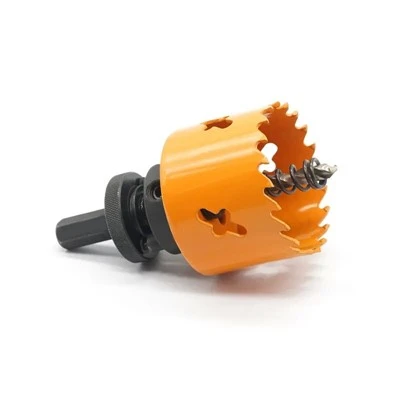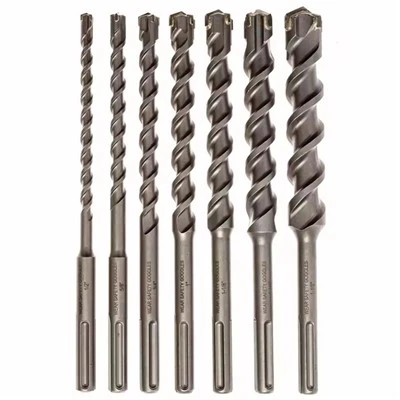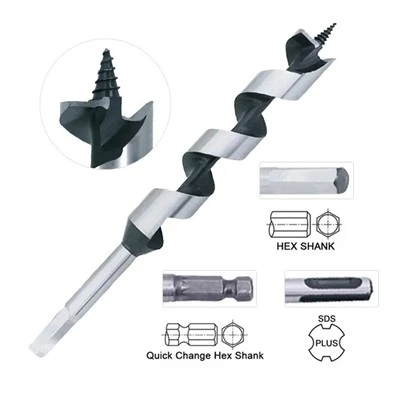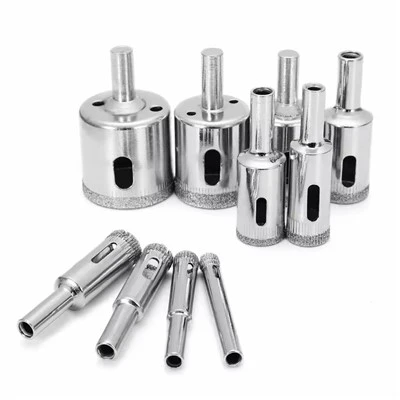
While hole saws are versatile tools widely used in various industries for creating holes in different materials, they come with a set of disadvantages that users should be aware of. As a hole saw supplier, I have witnessed firsthand both the benefits and drawbacks of these tools. This blog post aims to delve into the disadvantages of hole saws so that customers can make informed decisions when purchasing them.
Limited Cutting Depth
One of the primary disadvantages of a hole saw is its limited cutting depth. Unlike some other drilling tools, hole saws have a fixed maximum depth that they can cut into a material. This is determined by the length of the saw's teeth, the body of the saw, and the arbor that holds it. For instance, if you're working on a thick piece of wood or a thick - walled metal pipe, a standard hole saw may not be able to cut all the way through in a single pass.
This limitation can be a significant hurdle in projects where deep holes are required. To achieve the desired depth, multiple passes or alternative tools may be necessary. This not only increases the time and effort required for the task but can also lead to less - precise hole edges and an overall less professional finish. For example, in construction projects where deep holes are needed for plumbing or electrical installations, the limited cutting depth of a hole saw can slow down the entire process.
Prone to Binding
Hole saws are also prone to binding during the cutting process. Binding occurs when the saw gets stuck in the material, usually due to a build - up of chips or sawdust inside the saw's teeth or body. When a hole saw binds, it can cause a sudden and significant increase in the torque required to turn the saw. This can be dangerous for the operator, as it may lead to the saw jerking or the drill being pulled out of the operator's hands.
The binding issue is particularly common when cutting materials like wood with a high resin content or metals with a tendency to produce long, stringy chips. To prevent binding, users often need to periodically stop the cutting process to clear the chips from the saw. This interruption can disrupt the workflow and increase the overall time taken to complete the job. For example, when using a 100mm Wood Working Saw to cut through a thick wooden beam, the large amount of sawdust generated can quickly cause the saw to bind.
High Cost
Another disadvantage of hole saws is their relatively high cost, especially when compared to other types of drill bits. High - quality hole saws are often made from premium materials such as high - speed steel, carbide, or diamond, which contribute to their durability and performance. However, these materials also drive up the price. For example, a Factory Brazing Diamond Hole Saw Hole Saw Drilling Bits is designed to cut through hard materials like ceramics and glass, but it comes at a significantly higher cost than a standard high - speed steel hole saw.
The cost is not only an issue at the time of purchase but also when it comes to replacing worn - out parts. The teeth on a hole saw can wear out over time, and in some cases, the entire saw may need to be replaced. This can add up to a substantial expense, especially for professional users who rely on hole saws for their daily work.
Slow Cutting Speed
Hole saws generally have a slower cutting speed compared to some other drilling tools. This is because the cutting action of a hole saw is more complex than that of a simple drill bit. A hole saw has to cut through a larger cross - sectional area of material at once, and the chips need to be removed from the hole as the saw cuts. This can result in a slower forward progress of the saw.
In applications where time is of the essence, such as large - scale manufacturing or construction projects, the slow cutting speed of a hole saw can be a major drawback. For example, if you're working on a project that requires drilling hundreds of holes, the time saved by using a faster - cutting tool can be substantial. It's important to note that the cutting speed can also vary depending on the material being cut. For instance, cutting through a hard metal like stainless steel with a hole saw will be much slower than cutting through a softer material like plastic.
Limited Material Compatibility
Although hole saws are available in various types to suit different materials, they still have limitations in terms of material compatibility. Some hole saws are designed specifically for cutting wood, while others are better suited for metals or plastics. Using the wrong type of hole saw on a particular material can lead to poor performance, premature wear, and even damage to the saw and the material.
For example, using a hole saw designed for wood on a metal surface can cause the teeth to dull quickly and may not produce a clean cut. Similarly, a metal - cutting hole saw may not be effective when used on a brittle material like glass. While there are multi - purpose hole saws available, they often sacrifice some performance in each specific material compared to dedicated hole saws. For example, an Electroplated Diamond Hole Saw Without Guiding Drill Bit 6 - 150mm Glass Hole Cutter Diamond Power Drill is optimized for cutting glass, but it may not be the best choice for other materials.
Difficulty in Starting Holes
Starting a hole with a hole saw can be challenging, especially on smooth or hard surfaces. Unlike a standard drill bit, which has a pointed tip to help guide it into the material, a hole saw has a flat cutting edge. This makes it more difficult to get the saw started in the exact location where the hole is needed.


On smooth surfaces, the saw may tend to slip around before it starts cutting, which can lead to inaccurate hole placement. On hard surfaces, it can be difficult to break through the surface material to initiate the cutting process. To overcome this issue, users may need to use a center punch to create a small indentation on the surface to help guide the saw, or they may need to use a pilot drill. This additional step adds time and complexity to the job.
Need for Specialized Equipment
Using a hole saw often requires specialized equipment in addition to the saw itself. For example, a hole saw needs to be mounted on an arbor, which is a device that attaches the saw to the drill. The arbor needs to be compatible with both the hole saw and the drill, and there are different types of arbors available depending on the size and type of the hole saw.
In addition, some hole saws, especially those used for cutting hard materials, may require a coolant or lubricant to prevent overheating and to extend the life of the saw. This means that users need to have access to the appropriate coolant and the means to apply it during the cutting process. All these additional requirements can make using a hole saw more complicated and expensive.
Conclusion
Despite the many advantages that hole saws offer, such as the ability to create large - diameter holes and their versatility in different applications, they also come with a number of disadvantages. These include limited cutting depth, a tendency to bind, high cost, slow cutting speed, limited material compatibility, difficulty in starting holes, and the need for specialized equipment.
As a hole saw supplier, I understand that these disadvantages can be a concern for our customers. However, by being aware of these issues, users can take steps to mitigate them. For example, choosing the right type of hole saw for the material, using the appropriate techniques to prevent binding, and investing in high - quality equipment can all help to improve the performance and efficiency of hole saws.
If you're considering purchasing hole saws for your projects and have any questions about how to overcome these disadvantages or which type of hole saw is best for your specific needs, we're here to help. Contact us for a detailed discussion and to explore the best hole saw options for your requirements.
References
- Machinery's Handbook, Industrial Press Inc.
- Woodworking Magazine, Various issues
- Metalworking Technology Journal, Multiple volumes