

Hey there! As a cutting wood supplier, I've seen my fair share of questions about the best practices for working with wood. One of the most common queries I get is about the ideal moisture content for cutting wood. It might seem like a small detail, but trust me, it can make a huge difference in the quality of your woodworking projects.
So, what exactly is moisture content in wood? Well, wood is a natural material, and it absorbs and releases moisture depending on the surrounding environment. The moisture content is basically the amount of water present in the wood, usually expressed as a percentage of the wood's dry weight. For example, if a piece of wood weighs 100 grams when dry and 120 grams when it has absorbed some moisture, its moisture content is 20%.

Now, why does the moisture content matter when cutting wood? Let's break it down.
Impact on Cutting Tools
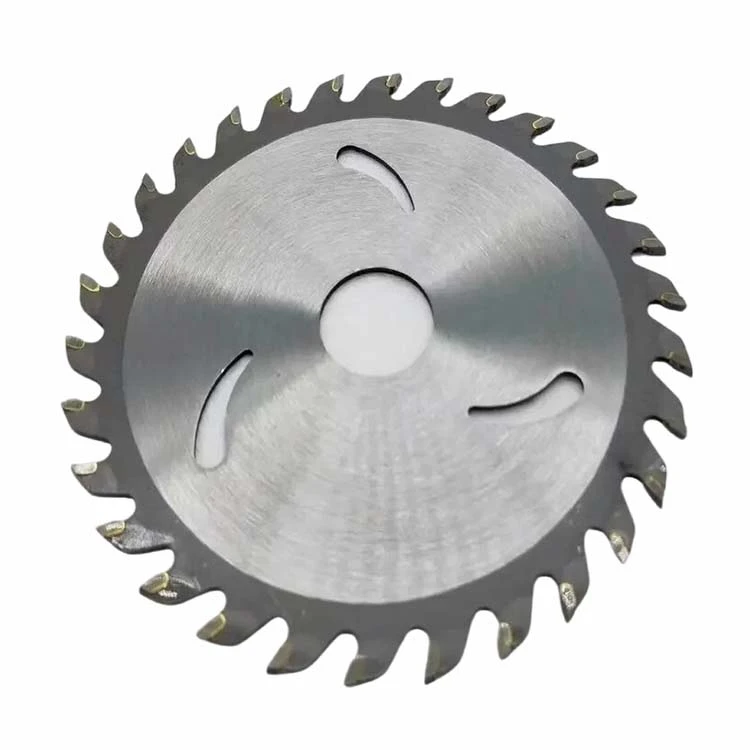
First off, the moisture content affects how well your cutting tools perform. When the wood is too wet, it can cause the blade to clog. You know how when you're trying to cut through a soggy piece of wood, and the sawdust just sticks to the blade? That's because the water in the wood makes the sawdust sticky. This not only slows down the cutting process but also puts extra strain on your saw. Over time, it can dull the blade faster, and you'll find yourself replacing your Woodworking Saw Blade more often.
On the other hand, if the wood is too dry, it can be brittle. When you cut through dry wood, it's more likely to splinter. Splintering not only ruins the appearance of your cut but can also be dangerous. You don't want those sharp splinters flying around! A high - quality Circular Saw Blade For Wood Cutting High Quality can help reduce splintering, but the moisture content of the wood still plays a big role.
Impact on Wood Stability
Another crucial aspect is the stability of the wood. Wood expands and contracts as its moisture content changes. If you cut wood with a high moisture content and then let it dry out, it will shrink. This can lead to warping, cracking, or even joints coming loose in your finished project. For example, if you're building a bookshelf and the wood you used had a high moisture content when you assembled it, as it dries, the shelves might start to bow, and the whole structure could become unstable.
Conversely, if you cut wood that's too dry and then it absorbs moisture from the environment, it will expand. This can also cause problems, like doors that won't close properly or drawers that get stuck.
Ideal Moisture Content Ranges
So, what's the ideal moisture content for cutting wood? Well, it depends on a few factors, such as the type of wood and the end - use of the project.
For most indoor woodworking projects, a moisture content of around 6% - 8% is ideal. This is because the average indoor humidity is usually in the range that keeps the wood at this moisture level. When the wood is at this moisture content, it's stable, and it cuts cleanly. You'll get smooth cuts with minimal splintering, and your finished project is less likely to warp or crack over time.
If you're working on outdoor projects, the ideal moisture content is a bit higher, around 12% - 18%. Outdoor wood is exposed to more humidity and weather changes, so it needs to be able to handle those fluctuations without significant expansion or contraction.
Measuring Moisture Content
Now, you might be wondering how you can measure the moisture content of the wood. There are moisture meters available in the market. These are handy little devices that you can stick into the wood to get an accurate reading of its moisture content. They're not too expensive, and they're a must - have for any serious woodworker.
Our Role as a Cutting Wood Supplier
As a cutting wood supplier, we take the moisture content of our wood seriously. We make sure that the wood we supply is within the ideal moisture content range for different applications. We use advanced moisture - measuring equipment to test the wood regularly. This way, when you buy wood from us, you can be confident that you're getting high - quality, stable wood that will cut well and last for a long time.
We also offer a wide range of Sinodream TCT Saw Blade For Cutting Wood to complement our wood products. These saw blades are designed to work efficiently with wood at the ideal moisture content, giving you the best cutting experience possible.
Conclusion
In conclusion, the ideal moisture content for cutting wood is a critical factor that can't be overlooked. Whether you're a professional woodworker or a DIY enthusiast, understanding and controlling the moisture content of the wood you're working with will lead to better - quality projects, longer - lasting tools, and less frustration.
If you're interested in purchasing high - quality cutting wood or the right saw blades for your projects, don't hesitate to get in touch. We're here to help you find the perfect materials for your woodworking needs. Let's start a conversation and see how we can assist you in bringing your woodworking ideas to life!
References
- "Wood Handbook: Wood as an Engineering Material." Forest Products Laboratory, U.S. Department of Agriculture.
- "Wood Moisture Content: Understanding and Measuring." Woodworking Magazine.






