Ceramics have long been recognized for their exceptional properties, making them a material of choice in a wide range of industries. However, one of the challenges associated with working with ceramics is their resistance to cutting. As a supplier of cutting ceramics, I've witnessed firsthand the intricacies and unique characteristics that come into play when attempting to cut these materials. In this blog, I'll delve into the factors contributing to the resistance of ceramic to cutting, the tools and techniques used to overcome this challenge, and how our products at [ImaginaryCompany] can help you achieve precise cuts in ceramic materials.
Understanding the Resistance of Ceramic to Cutting
Ceramics are known for their high hardness, brittleness, and wear resistance, which are the primary factors contributing to their resistance to cutting. Unlike metals, which can deform plastically under the influence of cutting forces, ceramics tend to fracture when subjected to stress. This brittle nature makes it difficult to achieve clean, precise cuts without causing chipping, cracking, or other forms of damage to the material.
Hardness
The hardness of a ceramic material is determined by its atomic structure and the strength of the chemical bonds between its atoms. Ceramics typically have strong ionic or covalent bonds, which result in a high degree of hardness. For example, alumina ceramics, which are commonly used in industrial applications, have a hardness of around 9 on the Mohs scale, making them harder than most metals and many other materials. This high hardness makes it challenging to penetrate the ceramic surface with cutting tools, as the tools must be able to withstand the high forces and abrasion associated with cutting hard materials.
Brittleness
In addition to their hardness, ceramics are also brittle, meaning they have a low tolerance for deformation. When a cutting tool applies force to a ceramic material, the material may fracture rather than deform plastically. This brittleness can lead to chipping and cracking at the edges of the cut, which can affect the quality and accuracy of the finished product. To minimize the risk of cracking and chipping, it's essential to use cutting tools and techniques that are specifically designed for working with brittle materials.
Wear Resistance
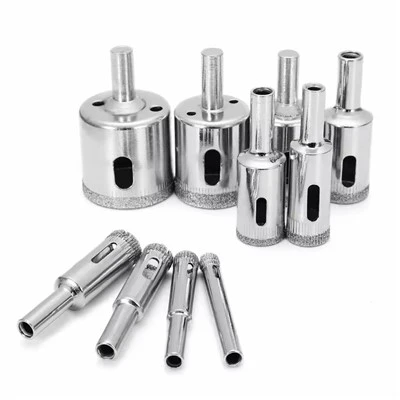
Ceramics are highly resistant to wear, which means they can withstand the abrasive forces generated during cutting without significant degradation. While this is an advantage in many applications, it also means that cutting tools can wear out quickly when used to cut ceramics. To overcome this challenge, it's important to use cutting tools made from high-quality materials that are specifically designed for cutting ceramics, such as diamond or cubic boron nitride (CBN).
Tools and Techniques for Cutting Ceramics
Despite the challenges associated with cutting ceramics, there are several tools and techniques that can be used to achieve precise cuts with minimal damage to the material.
Diamond Saw Blades
Diamond saw blades are one of the most commonly used tools for cutting ceramics. Diamond is the hardest known material, making it ideal for cutting through hard and abrasive materials like ceramics. There are several types of diamond saw blades available, each designed for specific applications and cutting requirements. For example, New Type Suppliers International Standard High Performance Segmented Diamond Saw Blade For Granite is a high-performance saw blade that is specifically designed for cutting granite and other hard materials, including ceramics. This saw blade features a segmented design that allows for efficient cutting and improved chip removal, resulting in cleaner cuts and reduced tool wear.
Another popular option is the 115mm Diamond Saw Blades Cutting Tools Circular Diamond Saw Blade, which is a versatile saw blade that can be used for a variety of cutting applications, including cutting ceramics. This saw blade is available in different sizes and configurations, allowing you to choose the one that best suits your specific cutting needs.

Laser Cutting
Laser cutting is another technique that is commonly used for cutting ceramics. Laser cutting uses a high-powered laser beam to melt, vaporize, or burn through the ceramic material, creating a precise cut. Laser cutting offers several advantages over traditional cutting methods, including high precision, minimal heat-affected zone, and the ability to cut complex shapes and patterns. However, laser cutting can be expensive and may not be suitable for all types of ceramic materials.
Waterjet Cutting
Waterjet cutting is a non-traditional cutting method that uses a high-pressure stream of water mixed with abrasive particles to cut through the ceramic material. Waterjet cutting offers several advantages over traditional cutting methods, including the ability to cut thick materials, minimal heat-affected zone, and the ability to cut complex shapes and patterns. However, waterjet cutting can be slow and may not be suitable for all types of ceramic materials.
Our Cutting Ceramics Products
As a supplier of cutting ceramics, we offer a wide range of products that are specifically designed for cutting ceramics. Our products include diamond saw blades, laser cutting machines, waterjet cutting machines, and other cutting tools and accessories.
One of our most popular products is the New Type Sinodream Diamond Saw Blade, which is a high-performance saw blade that is specifically designed for cutting ceramics. This saw blade features a unique diamond matrix that provides excellent cutting performance and long tool life. The saw blade is available in different sizes and configurations, allowing you to choose the one that best suits your specific cutting needs.
In addition to our diamond saw blades, we also offer a range of laser cutting machines and waterjet cutting machines that are specifically designed for cutting ceramics. Our laser cutting machines feature high-powered lasers and advanced control systems that allow for precise and efficient cutting of ceramic materials. Our waterjet cutting machines feature high-pressure pumps and abrasive delivery systems that allow for fast and accurate cutting of ceramic materials.
Contact Us for Procurement and Consultation
If you're looking for high-quality cutting ceramics products and solutions, look no further. Our team of experts is dedicated to providing you with the best products and services to meet your specific cutting needs. Whether you're a small business or a large industrial manufacturer, we have the products and expertise to help you achieve precise cuts in ceramic materials.
Don't hesitate to reach out to us for procurement and consultation. We're here to assist you in finding the right cutting tools and techniques for your applications, ensuring optimal performance and cost-effectiveness.
References
- "Ceramics: Structure, Properties, Processing, and Applications" by Richard A. Haber
- "Cutting Tool Technology" by Stephen A. Shaw
- "Advanced Manufacturing Processes" by Kalpakjian and Schmid