

When it comes to woodworking, safety should always be your top priority. As a woodworking supplier, I've seen firsthand the importance of taking the right precautions to prevent accidents and injuries. In this blog post, I'll share some essential safety tips that every woodworker should follow.
Personal Protective Equipment (PPE)
Wearing the appropriate personal protective equipment is crucial in woodworking. Here are some key pieces of PPE you should always have on hand:
- Safety Glasses: Protect your eyes from flying wood chips, dust, and debris. Make sure your safety glasses fit properly and have side shields for added protection.
- Ear Protection: Woodworking tools can be extremely loud, which can cause hearing damage over time. Wear earplugs or earmuffs to reduce the risk of hearing loss.
- Dust Mask: Wood dust can be harmful to your respiratory system. A dust mask will help filter out the dust and prevent you from inhaling it.
- Work Gloves: Gloves can protect your hands from cuts, splinters, and other injuries. However, make sure to choose gloves that are appropriate for the task at hand, as loose-fitting gloves can get caught in moving parts.
- Apron or Work Clothing: Wear an apron or work clothing that covers your body to protect it from sawdust, splinters, and other debris. Avoid wearing loose-fitting clothing that could get caught in machinery.
Tool Safety
Using woodworking tools safely is essential to prevent accidents. Here are some tips to keep in mind:
- Read the Manual: Before using any woodworking tool, read the manufacturer's manual carefully. Make sure you understand how to operate the tool safely and follow all the instructions.
- Inspect Tools Regularly: Check your tools regularly for any signs of damage or wear. Replace any worn or damaged parts immediately.
- Keep Tools Sharp: Sharp tools are safer to use than dull ones. Dull tools can slip and cause accidents, so make sure to keep your tools sharp at all times.
- Use the Right Tool for the Job: Using the wrong tool for the job can be dangerous. Make sure to use the appropriate tool for the task at hand and follow the manufacturer's recommendations.
- Disconnect Tools When Not in Use: Always disconnect your tools from the power source when you're not using them. This will prevent accidental startup and reduce the risk of injury.
- Keep Work Area Clean: A cluttered work area can increase the risk of accidents. Keep your work area clean and organized, and remove any debris or waste materials regularly.
Machine Safety
If you're using woodworking machines, such as table saws, band saws, or routers, it's important to take extra precautions to ensure your safety. Here are some tips to keep in mind:
- Use Guards and Safety Devices: Most woodworking machines come with guards and safety devices that are designed to protect you from injury. Make sure to use these guards and devices at all times and keep them in good working condition.
- Keep Hands Away from Moving Parts: Never reach into a machine while it's running. Keep your hands and fingers away from moving parts, such as blades, belts, and pulleys.
- Use Push Sticks and Push Blocks: When cutting small pieces of wood, use push sticks and push blocks to keep your hands away from the blade. This will reduce the risk of injury.
- Adjust Machines Properly: Make sure to adjust your machines properly before using them. This includes setting the blade height, fence position, and other settings. Follow the manufacturer's instructions carefully to ensure proper adjustment.
- Never Leave Machines Unattended: Always stay with your machine while it's running. Never leave a machine unattended, even for a short period of time.
Dust Collection
Wood dust can be a significant health hazard, so it's important to have a good dust collection system in place. Here are some tips to help you control dust in your woodworking shop:

- Use a Dust Collector: A dust collector is a machine that collects wood dust and debris from your work area. Make sure to choose a dust collector that is appropriate for the size of your shop and the type of woodworking you do.
- Connect Tools to the Dust Collector: Most woodworking tools can be connected to a dust collector using a hose or ductwork. Make sure to connect your tools to the dust collector whenever possible to reduce the amount of dust in the air.
- Clean Your Dust Collector Regularly: Over time, dust can build up in your dust collector, reducing its effectiveness. Make sure to clean your dust collector regularly to keep it working properly.
- Wear a Dust Mask: Even with a dust collector, some dust may still be present in the air. Wear a dust mask to protect your lungs from inhaling the dust.
Fire Safety
Woodworking involves the use of flammable materials, such as wood and sawdust, so it's important to take precautions to prevent fires. Here are some tips to keep in mind:
- Keep Flammable Materials Away from Heat Sources: Store flammable materials, such as wood, sawdust, and solvents, away from heat sources, such as heaters, stoves, and electrical equipment.
- Use Fire Extinguishers: Make sure to have a fire extinguisher in your woodworking shop and know how to use it. Choose a fire extinguisher that is appropriate for the type of fires that are likely to occur in your shop, such as Class A (wood, paper, and cloth) or Class B (flammable liquids).
- Keep Your Work Area Clean: A cluttered work area can increase the risk of fires. Keep your work area clean and organized, and remove any debris or waste materials regularly.
- Avoid Smoking in the Shop: Smoking in a woodworking shop is extremely dangerous and can cause fires. Avoid smoking in the shop and make sure to enforce a no-smoking policy.
Conclusion
Woodworking can be a rewarding and enjoyable hobby, but it's important to take the right safety precautions to prevent accidents and injuries. By following these tips and using the appropriate safety equipment, you can reduce the risk of accidents and enjoy a safe and productive woodworking experience.
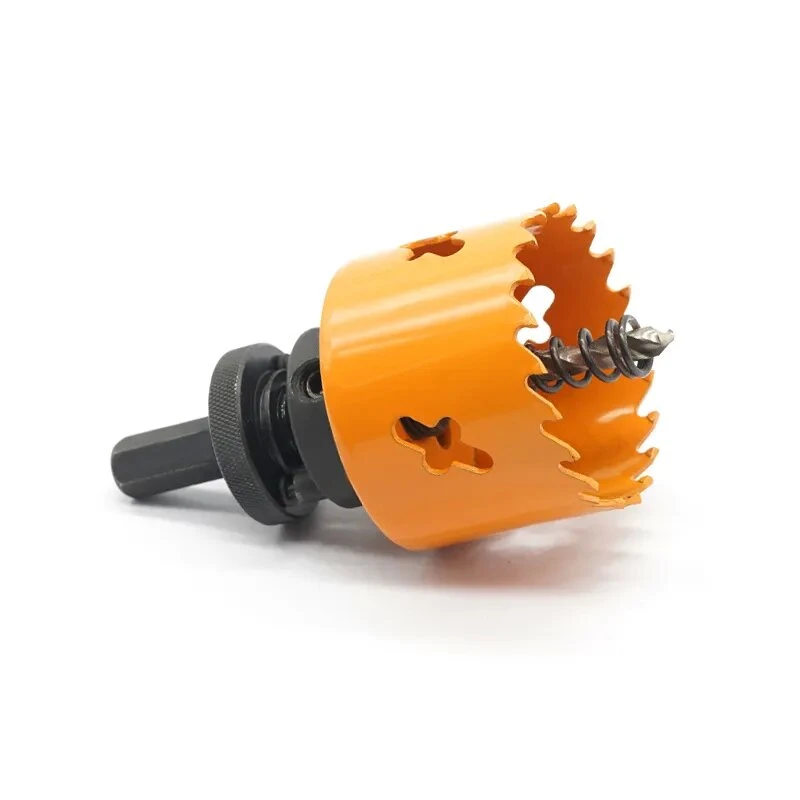
If you're in the market for high-quality woodworking tools and supplies, I invite you to explore our range of products. We offer a wide selection of tools, including Hole Saw for Wood Drilling, Diamond Core Drill Bit Laser Welded Tip Precision Drilling On Concrete Brick Tile, and High Carbon Steel Hole Saw. Our products are designed to meet the needs of both professional woodworkers and hobbyists, and we're committed to providing excellent customer service.
If you have any questions or would like to discuss your woodworking needs, please don't hesitate to contact us. We're here to help you find the right tools and supplies for your projects.
References
- Woodworkers Guild of America. (n.d.). Woodworking Safety Tips. Retrieved from [Website URL]
- Occupational Safety and Health Administration (OSHA). (n.d.). Woodworking Machinery Standards. Retrieved from [Website URL]
- National Institute for Occupational Safety and Health (NIOSH). (n.d.). Wood Dust. Retrieved from [Website URL]






