

Hey there! As a twist drill bit supplier, I've been getting a lot of questions lately about what type of coolant is suitable for twist drill bits. So, I thought I'd put together this blog post to share some insights on the topic.
First off, let's talk about why coolant is important when using twist drill bits. Coolant serves several crucial functions. It helps to reduce friction between the drill bit and the workpiece. When you're drilling, a huge amount of heat is generated due to the contact and rotation of the drill bit. High temperatures can cause the drill bit to wear out quickly, lose its sharpness, and even damage the workpiece. Coolant also flushes away the chips produced during the drilling process. These chips can interfere with the drilling operation, causing the drill bit to jam or produce an uneven hole.
Now, let's dive into the different types of coolants and see which ones are best for twist drill bits.
1. Water - based coolants
Water - based coolants are probably the most commonly used type of coolant in machining operations, including drilling with twist drill bits. They are a mixture of water and various additives.
One of the biggest advantages of water - based coolants is their excellent cooling ability. Water has a high specific heat capacity, which means it can absorb a large amount of heat. This helps to keep the drill bit and the workpiece at a reasonable temperature, reducing the risk of overheating.
Another plus is that they are relatively inexpensive and environmentally friendly compared to some other types of coolants. They also have good lubricating properties, which can reduce friction and wear on the drill bit.
However, water - based coolants do have some drawbacks. They can promote corrosion if not properly maintained. Bacteria can also grow in the coolant, which can lead to unpleasant odors and reduced performance. To combat these issues, you need to add corrosion inhibitors and biocides to the coolant regularly.
If you're using a twist drill bit for general - purpose drilling on materials like mild steel, aluminum, or plastics, water - based coolants are a great choice. They are widely available and can do a pretty good job of keeping your drill bit in good shape. Check out our Hot Sale HSS Morse Taper Shank Drill Bit For Concrete, which works well with water - based coolants for drilling concrete and other hard materials.
2. Oil - based coolants
Oil - based coolants, also known as cutting oils, have been around for a long time. They are made from mineral oils or synthetic oils, along with additives to enhance their performance.
The main advantage of oil - based coolants is their superior lubricating properties. They form a thin film between the drill bit and the workpiece, reducing friction and wear. This can significantly extend the life of the drill bit, especially when drilling tough materials like stainless steel or high - strength alloys.
Oil - based coolants also have good anti - corrosion properties, which can protect the drill bit and the workpiece from rust. They are less likely to cause bacterial growth compared to water - based coolants.
On the downside, oil - based coolants are more expensive than water - based coolants. They can also be messy to work with, and they pose a fire hazard if not handled properly. They are also not as environmentally friendly as water - based coolants.
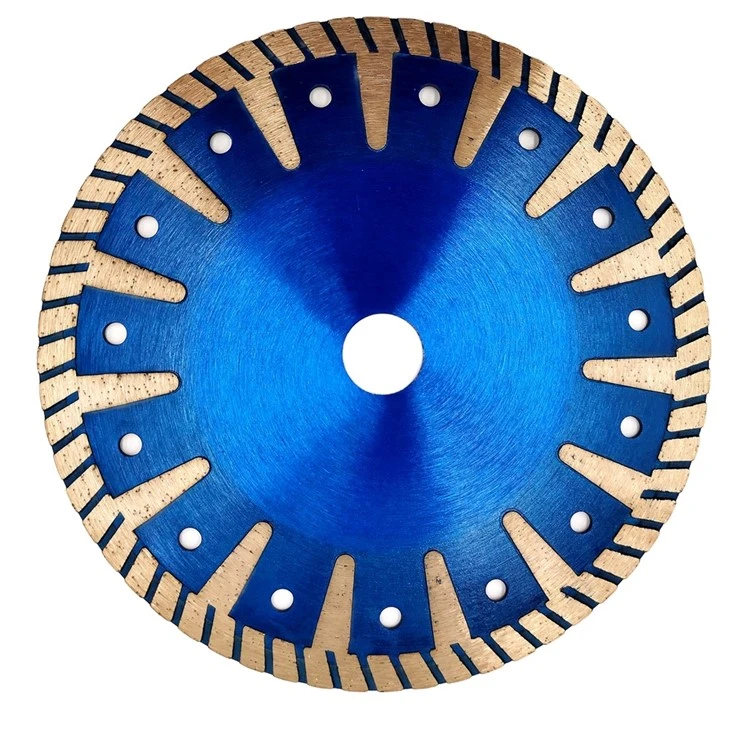
If you're drilling hard metals or materials that require a high level of lubrication, oil - based coolants are the way to go. Our High Quality Fast Cutting Diamond Tuck Point Saw Blade can benefit from oil - based coolants when used for precision cutting and drilling operations.

3. Synthetic coolants
Synthetic coolants are a relatively new type of coolant. They are made from synthetic chemicals and offer a combination of the best features of water - based and oil - based coolants.
Synthetic coolants have excellent cooling and lubricating properties. They can keep the drill bit cool even under high - speed drilling conditions, and they provide good lubrication to reduce friction.
They are also very stable and resistant to bacteria and corrosion. This means you don't have to worry as much about maintenance compared to water - based coolants.
However, synthetic coolants can be more expensive than water - based coolants. They may also require special handling and disposal procedures due to the chemicals they contain.
Synthetic coolants are a great option if you're looking for a high - performance coolant for demanding drilling applications. For example, if you're using our Special Hss Machine Thread Screw Tap&die Cutting Tools For Thread for threading operations, synthetic coolants can help to ensure smooth and accurate cutting.
4. Air - based coolants
Air - based coolants, also known as air blasts or air cooling, use compressed air to cool the drill bit and remove chips.
The main advantage of air - based coolants is that they are clean and dry. There's no mess to clean up, and they don't leave any residue on the workpiece. They are also very cost - effective since all you need is a source of compressed air.
However, air - based coolants have limited cooling and lubricating capabilities compared to liquid coolants. They are best suited for light - duty drilling operations or when you need to keep the workpiece dry, such as in electronics manufacturing.
Choosing the right coolant for your twist drill bit
When choosing a coolant for your twist drill bit, you need to consider several factors:
- Material of the workpiece: Different materials require different types of coolants. For example, when drilling aluminum, water - based coolants are usually sufficient. But for stainless steel, oil - based or synthetic coolants may be a better choice due to the high strength and heat - resistance of the material.
- Drilling speed and feed rate: Higher drilling speeds and feed rates generate more heat. In these cases, you'll need a coolant with better cooling properties, like water - based or synthetic coolants.
- Precision requirements: If you need to achieve a high level of precision in your drilling operation, a coolant with good lubricating properties can help to reduce vibration and improve the surface finish of the hole.
In conclusion, there's no one - size - fits - all answer when it comes to choosing the right coolant for twist drill bits. It depends on your specific drilling requirements. But by understanding the different types of coolants and their pros and cons, you can make an informed decision.
If you're in the market for high - quality twist drill bits or need more advice on choosing the right coolant for your application, don't hesitate to get in touch. We're here to help you make the most of your drilling operations.
References
- "Machining Fundamentals" by John T. Black
- "Metalworking Fluids: Selection, Use, and Maintenance" by the Society of Tribologists and Lubrication Engineers
So, if you're interested in purchasing our twist drill bits or have any questions about coolant selection, reach out to us for a procurement discussion. We're looking forward to working with you!






