When it comes to grass cutting equipment, one of the most crucial questions is: what type of fuel does it use? As a grass cutting equipment supplier, I've dealt with all sorts of customers asking about this. Let's dive right into the different fuels used for grass cutting tools and their pros and cons.
Gasoline
Gasoline is probably the most common fuel for heavy - duty grass cutting equipment. Lawn mowers, especially large - scale ones used for commercial lawn care, often run on gasoline. The main advantage of gasoline is its high energy density. It packs a lot of power in a relatively small volume, which means that gasoline - powered grass cutters can generate enough torque to cut through thick and tough grass.
For example, if you're dealing with an overgrown field or a large estate with long, coarse grass, a gasoline - powered mower will get the job done much faster than some other types of equipment. Gasoline engines are also known for their reliability. They've been around for a long time, and the technology is well - established. Mechanics are generally familiar with gasoline engines, so maintenance and repairs are usually straightforward.
However, there are also some downsides. Gasoline is a fossil fuel, and burning it releases pollutants into the atmosphere. This can contribute to air pollution and has a negative impact on the environment. Also, gasoline can be expensive, especially in areas where fuel prices are high. And let's not forget about the noise. Gasoline engines tend to be quite noisy, which can be a nuisance, especially if you're mowing early in the morning or in a residential area.
Electric
Electric grass cutting equipment is becoming increasingly popular, especially for smaller lawns and home use. There are two types of electric grass cutters: corded and cordless.
Corded electric mowers are usually very lightweight and easy to maneuver. They're also relatively quiet compared to gasoline - powered models. Since they run on electricity, they don't produce any emissions during operation, making them a more environmentally friendly option. The cost of electricity is generally lower than that of gasoline, so in the long run, you can save money on fuel.
But the cord can be a real pain. It limits your mobility and can get in the way while you're mowing. You also have to be careful not to cut through the cord, which can be dangerous.
On the other hand, cordless electric mowers use rechargeable batteries. They offer more freedom of movement than corded models. You can easily move around your lawn without having to worry about the cord getting tangled or cut. However, the battery life can be a limitation. If you have a large lawn, you may need to recharge the battery multiple times during the mowing session. And replacing the batteries can be expensive.
Propane
Propane is another alternative fuel for grass cutting equipment. Propane - powered mowers are similar to gasoline - powered ones in terms of performance. They offer good power and can handle tough cutting jobs. One of the main advantages of propane is that it burns cleaner than gasoline. It produces fewer emissions, which is better for the environment.
Propane is also relatively inexpensive compared to gasoline in many areas. And propane tanks are easy to refill. You can usually find propane refill stations at hardware stores or gas stations. However, propane - powered equipment may require some modifications to the engine, which can add to the initial cost. Also, propane tanks need to be stored properly to ensure safety.
Diesel
Diesel is often used in large, commercial - grade grass cutting machinery. Diesel engines are known for their durability and fuel efficiency. They can run for long hours without needing frequent refueling, which is great for large - scale lawn maintenance operations.

Diesel fuel has a high energy content, so diesel - powered grass cutters can provide a lot of power. They're also less likely to stall under heavy loads. However, diesel engines are usually more expensive to purchase than gasoline or electric models. They're also noisier and produce more emissions, although modern diesel engines have made significant improvements in this area.
Which Fuel is Right for You?
The choice of fuel depends on several factors. If you have a small, residential lawn, an electric mower might be the best option. It's quiet, easy to use, and environmentally friendly. For larger lawns or commercial applications, gasoline or diesel - powered equipment may be more suitable due to their higher power and longer - lasting operation.
If you're concerned about the environment, you might want to consider propane - powered or electric equipment. And if cost is a major factor, you'll need to compare the long - term fuel costs and the initial equipment purchase price.
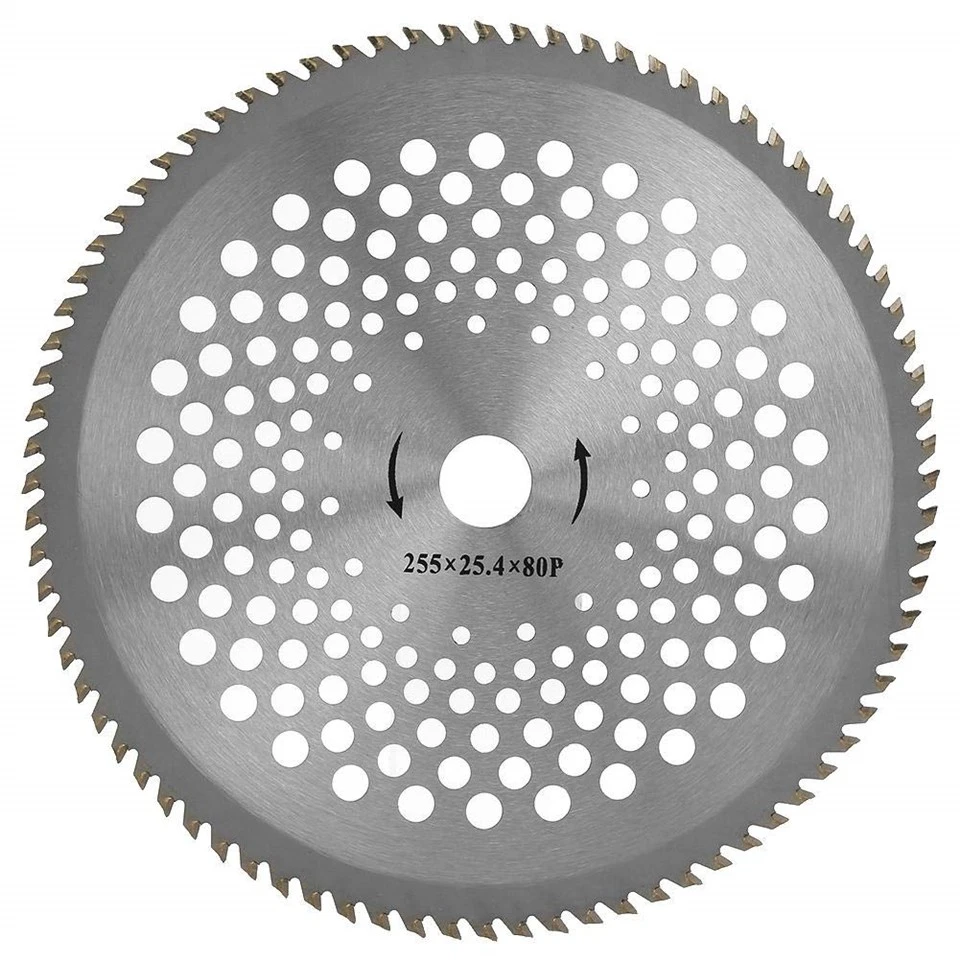
As a grass cutting equipment supplier, I can offer you a wide range of options. Whether you're looking for a Saw Blade for Cutting Grass, Mowing Saw Biades, or a Grass Alloy Saw Blade, we've got you covered.
If you're interested in purchasing grass cutting equipment or have any questions about the different fuels, feel free to reach out. We're here to help you make the right choice for your specific needs.
References
- Smith, J. (2022). "The Future of Grass Cutting Equipment Fuels". Journal of Lawn Care Technology.
- Brown, A. (2021). "Comparative Analysis of Different Fuels for Lawn Mowers". Agricultural Machinery Review.