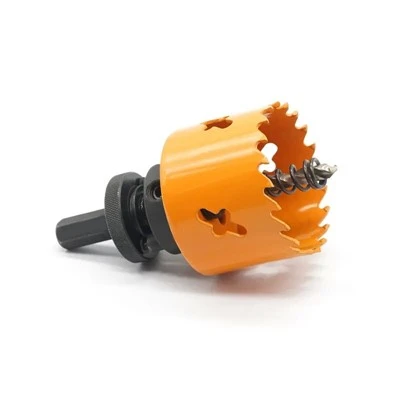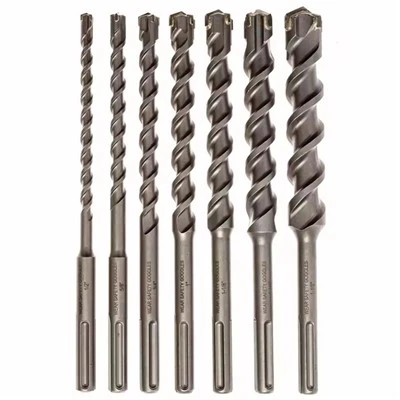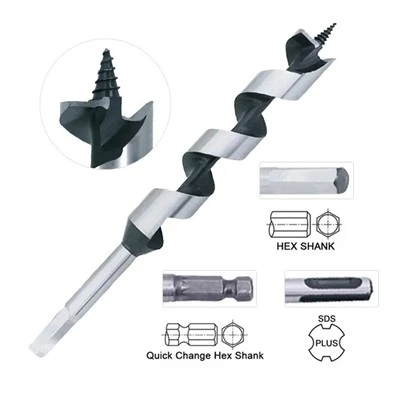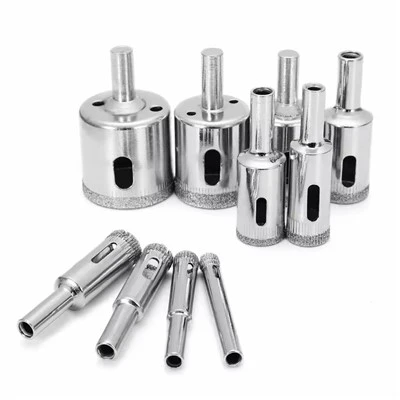
When it comes to working with plastic materials, one common question that often arises is whether a twist drill bit can be used on plastic. As a supplier of twist drill bits, I am frequently asked this question by our customers. In this blog post, I will delve into this topic in detail, exploring the feasibility, considerations, and best practices of using twist drill bits on plastic.
Understanding Twist Drill Bits
Twist drill bits are one of the most commonly used cutting tools in various industries. They are designed to create circular holes in different materials, including metal, wood, and plastic. The basic structure of a twist drill bit consists of a cylindrical shank and a helical fluted body. The flutes help to remove the chips generated during the drilling process, while the point at the tip of the bit initiates the hole and guides the bit into the material.
There are different types of twist drill bits available on the market, each designed for specific applications and materials. For example, high-speed steel (HSS) twist drill bits are suitable for general-purpose drilling in a wide range of materials, including plastic. Carbide-tipped twist drill bits, on the other hand, are more durable and can withstand higher temperatures, making them ideal for drilling harder materials such as metals.
Can a Twist Drill Bit Be Used on Plastic?
The short answer is yes, a twist drill bit can be used on plastic. However, there are several factors to consider to ensure a successful drilling operation and avoid damaging the plastic material.
Advantages of Using Twist Drill Bits on Plastic
- Versatility: Twist drill bits are available in a wide range of sizes and shapes, making them suitable for drilling holes of different diameters and depths in plastic materials.
- Cost-effective: Compared to specialized plastic drill bits, twist drill bits are generally more affordable, making them a cost-effective option for occasional plastic drilling projects.
- Readily available: Twist drill bits are widely available in hardware stores and online retailers, making them easily accessible for DIY enthusiasts and professionals alike.
Challenges of Using Twist Drill Bits on Plastic
- Melting and cracking: Plastic materials have a lower melting point than metals, which means they are more prone to melting and cracking during the drilling process. The heat generated by the friction between the drill bit and the plastic can cause the plastic to melt, resulting in a rough and uneven hole surface.
- Chipping and splintering: Plastic materials are also more brittle than metals, which means they are more likely to chip and splinter during the drilling process. This can result in a poor-quality hole and damage to the plastic material.
- Clogging: The chips generated during the drilling process can clog the flutes of the drill bit, reducing its cutting efficiency and increasing the risk of overheating.
Considerations for Using Twist Drill Bits on Plastic
To overcome the challenges mentioned above and ensure a successful drilling operation, the following considerations should be taken into account:


Select the Right Drill Bit
- Material: As mentioned earlier, HSS twist drill bits are suitable for general-purpose drilling in plastic materials. However, if you are drilling a harder or more abrasive plastic, such as polycarbonate or fiberglass-reinforced plastic, a carbide-tipped twist drill bit may be more appropriate.
- Size and shape: The size and shape of the drill bit should be selected based on the diameter and depth of the hole you need to drill. A smaller drill bit may be more suitable for drilling small holes, while a larger drill bit may be required for drilling larger holes.
- Point angle: The point angle of the drill bit can also affect the drilling performance. A smaller point angle (e.g., 90 degrees) is suitable for drilling softer plastics, while a larger point angle (e.g., 118 degrees) is more appropriate for drilling harder plastics.
Use the Right Drill Speed
The drill speed is an important factor to consider when drilling plastic materials. A too-high drill speed can generate excessive heat, causing the plastic to melt and crack. On the other hand, a too-low drill speed can result in a poor-quality hole and increased chipping and splintering.
As a general rule, the drill speed should be adjusted based on the type and thickness of the plastic material. For example, a slower drill speed (e.g., 500-1000 RPM) may be suitable for drilling thinner plastics, while a faster drill speed (e.g., 1000-2000 RPM) may be required for drilling thicker plastics.
Apply Lubrication
Applying lubrication to the drill bit can help to reduce friction and heat generation, preventing the plastic from melting and cracking. There are different types of lubricants available for plastic drilling, including water, cutting oil, and wax.
Water is a simple and effective lubricant for plastic drilling. You can simply dip the drill bit in water before drilling or use a spray bottle to apply water to the drilling area. Cutting oil is another option, but it may leave a residue on the plastic surface, which can be difficult to clean. Wax is a good alternative to cutting oil, as it does not leave a residue and can be easily removed.
Use a Backing Board
Using a backing board can help to prevent chipping and splintering on the backside of the plastic material. A backing board is a piece of wood or another material that is placed behind the plastic material during the drilling process. The backing board provides support and helps to distribute the pressure evenly, reducing the risk of chipping and splintering.
Take Breaks
Taking breaks during the drilling process can help to prevent the drill bit from overheating and the plastic from melting. After drilling for a few seconds, stop the drill and allow the bit and the plastic to cool down. This can help to extend the life of the drill bit and ensure a successful drilling operation.
Best Practices for Using Twist Drill Bits on Plastic
In addition to the considerations mentioned above, the following best practices can also help to ensure a successful drilling operation:
- Mark the drilling point: Use a pencil or a marker to mark the exact location where you want to drill the hole. This can help to ensure accuracy and prevent the drill bit from wandering.
- Start with a small pilot hole: If you need to drill a large hole, it is recommended to start with a small pilot hole first. This can help to guide the drill bit and prevent it from slipping or wandering.
- Use a drill press: If possible, use a drill press instead of a handheld drill. A drill press provides more stability and accuracy, making it easier to drill straight and consistent holes.
- Clean the drill bit: After each use, clean the drill bit to remove any plastic chips or debris. This can help to prevent clogging and ensure the drill bit performs at its best.
Our Twist Drill Bit Products
As a twist drill bit supplier, we offer a wide range of high-quality twist drill bits suitable for drilling plastic materials. Our products include Hot Sale HSS DIN345 Taper Shank Twist Drill Bit For Concrete, DIN345 HSS Taper Shank Twist Drill Bit for Concrete, and HSS Morse Taper Shank Drill Bit for Concrete.
Our twist drill bits are made from high-quality materials and are designed to provide excellent performance and durability. They are suitable for a wide range of applications, including DIY projects, woodworking, metalworking, and plastic fabrication.
Contact Us for Purchasing and Negotiation
If you are interested in our twist drill bit products or have any questions about using twist drill bits on plastic, please feel free to contact us. Our team of experts will be happy to assist you and provide you with the best solutions for your drilling needs.
References
- "Drilling Plastic: Tips and Tricks." Woodworking Network.
- "How to Drill Holes in Plastic." Family Handyman.
- "Plastic Drilling: Best Practices and Considerations." Industrial Metal Supply Co.