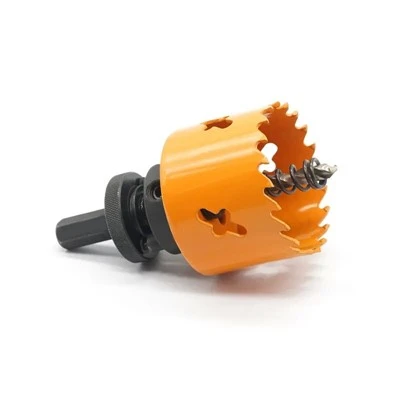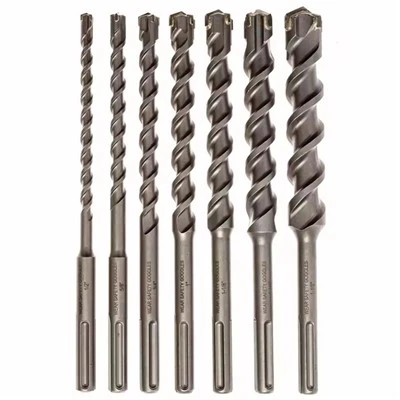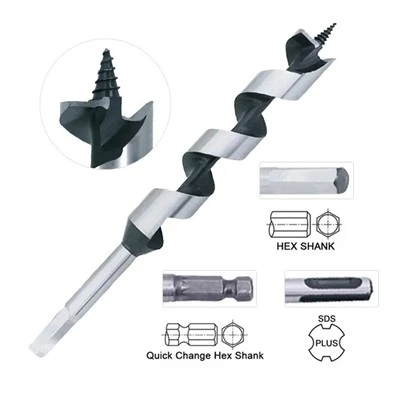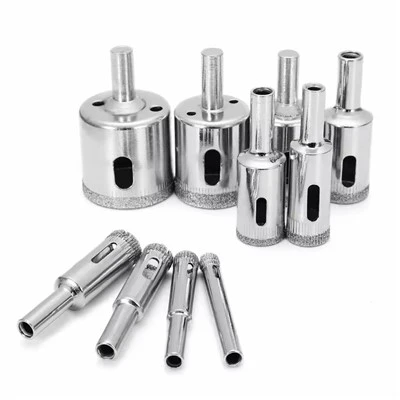
When it comes to hole saws, professionals and DIY enthusiasts often seek tools that offer efficiency, durability, and clean performance. One common concern during the cutting process is the amount of dust generated. As a supplier of Bi-metal Hole Saw, I am frequently asked, "Do bi - metal hole saws produce a lot of dust during cutting?" In this blog post, we will explore this question in detail, considering the properties of bi - metal hole saws, the factors influencing dust production, and how they compare with other types of hole saws.
Understanding Bi - metal Hole Saws
Bi - metal hole saws are constructed with a combination of two different metals, typically high - speed steel (HSS) teeth welded to a high - carbon steel body. This unique design provides several advantages. The high - speed steel teeth are extremely hard and can withstand high temperatures, allowing for efficient cutting through a variety of materials, including metals, wood, plastics, and composites. The high - carbon steel body provides flexibility and strength, ensuring that the hole saw maintains its shape during the cutting process.
Factors Affecting Dust Production
Material Being Cut
The type of material being cut is one of the most significant factors influencing dust production. When cutting soft materials such as wood or plastic, bi - metal hole saws generally produce less dust compared to cutting harder materials like metal. Wood and plastic tend to chip away in larger pieces rather than creating fine dust particles. For example, when cutting through plywood, the saw teeth will remove small chunks of wood, resulting in relatively large wood chips. In contrast, cutting through stainless steel will generate fine metal dust as the hard metal is sheared away by the saw teeth.
Cutting Speed
The speed at which the hole saw is operated also affects dust production. Higher cutting speeds can cause more friction and heat, which may lead to the material breaking down into finer particles. When using a bi - metal hole saw, it is important to follow the manufacturer's recommended cutting speed for the specific material. For instance, if you are cutting through aluminum, a slower cutting speed may be more appropriate to reduce dust generation and prevent the aluminum from melting and sticking to the saw teeth.
Tooth Design
The design of the saw teeth plays a crucial role in dust production. Bi - metal hole saws typically have sharp, well - defined teeth that are designed to cut through materials cleanly. Teeth with a positive rake angle can help to remove material more efficiently, reducing the amount of dust generated. A well - designed tooth will cut through the material in a smooth motion, rather than tearing or grinding it, which can create more dust. For example, a hole saw with variable pitch teeth can provide a smoother cutting action and reduce dust production compared to a saw with evenly spaced teeth.
Dust Production in Comparison with Other Hole Saws
TCT Hole Saws
TCT Hole Saws are another popular type of hole saw. TCT stands for Tungsten Carbide Tipped, which means that the saw teeth are tipped with tungsten carbide, a very hard material. TCT hole saws are known for their ability to cut through hard materials such as tile, stone, and thick metals. In general, TCT hole saws may produce more dust than bi - metal hole saws when cutting through similar materials. This is because the hard tungsten carbide teeth can break the material into finer particles more easily. However, Hot Sale TCT Hole Saw may have advanced tooth designs that can help to reduce dust production to some extent.
Minimizing Dust Production
Using Dust Collection Systems
One of the most effective ways to minimize dust production when using bi - metal hole saws is to use a dust collection system. Many modern power tools come with built - in dust ports that can be connected to a vacuum cleaner or a dust extractor. By capturing the dust at the source, you can significantly reduce the amount of dust that is released into the air. For example, if you are using a drill press with a bi - metal hole saw, you can attach a dust collection hose to the drill press and connect it to a shop vacuum.


Lubrication
Lubricating the saw teeth can also help to reduce dust production. When cutting through metals, using a cutting fluid or lubricant can reduce friction and heat, which in turn can prevent the material from breaking down into fine dust particles. Lubrication can also extend the life of the hole saw by reducing wear on the teeth. For instance, when cutting through brass, applying a small amount of cutting oil to the saw teeth before starting the cutting process can make the cutting smoother and reduce dust generation.
Conclusion
In conclusion, whether bi - metal hole saws produce a lot of dust during cutting depends on several factors, including the material being cut, cutting speed, and tooth design. While they may generate some dust, especially when cutting hard materials, proper operation and the use of appropriate techniques can significantly reduce dust production. Compared to other types of hole saws, bi - metal hole saws generally offer a good balance between dust production and cutting performance.
If you are in the market for high - quality bi - metal hole saws or have any questions about dust management during the cutting process, we are here to help. Our team of experts can provide you with detailed information and guidance to ensure that you choose the right hole saw for your specific needs. Contact us today to start a discussion about your procurement requirements and let us help you find the best solutions for your projects.
References
- "Handbook of Cutting Tools" by Peter K. Wright and Ken A. Trent
- "Machining Fundamentals" by Society of Manufacturing Engineers