Granite, a natural stone renowned for its durability, beauty, and versatility, has long been a popular choice for various construction and design applications. From kitchen countertops and bathroom vanities to exterior facades and flooring, granite's unique aesthetic appeal and strength make it a top pick among homeowners, designers, and architects alike. One of the most fascinating aspects of granite is its ability to be cut into different shapes, allowing for endless creative possibilities. As a cutting granite supplier, I have witnessed firsthand the incredible transformations that can be achieved through precision cutting techniques. In this blog post, I will explore the question, "Can granite be cut into different shapes?" and delve into the various methods and tools used in the process.
The Science Behind Granite Cutting
Granite is an igneous rock composed primarily of quartz, feldspar, and mica. Its hardness and density make it a challenging material to cut, but with the right tools and techniques, it can be shaped into virtually any form. The key to successful granite cutting lies in understanding the stone's structure and properties. Granite has a crystalline structure, which means that it is made up of interlocking crystals. These crystals give granite its strength and durability but also make it prone to cracking and chipping if not cut properly.
Methods of Cutting Granite
There are several methods of cutting granite, each with its own advantages and limitations. The most common methods include:
Diamond Saw Cutting
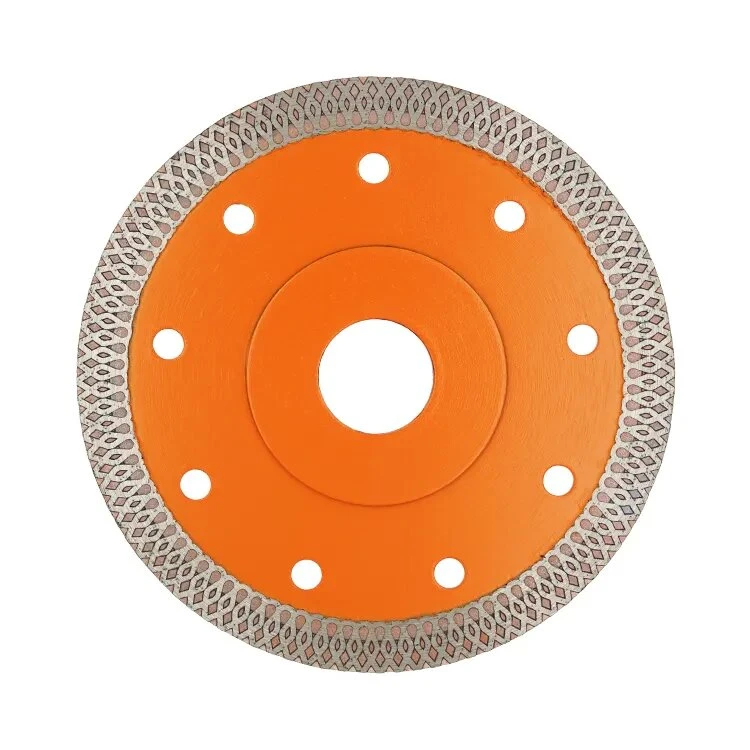
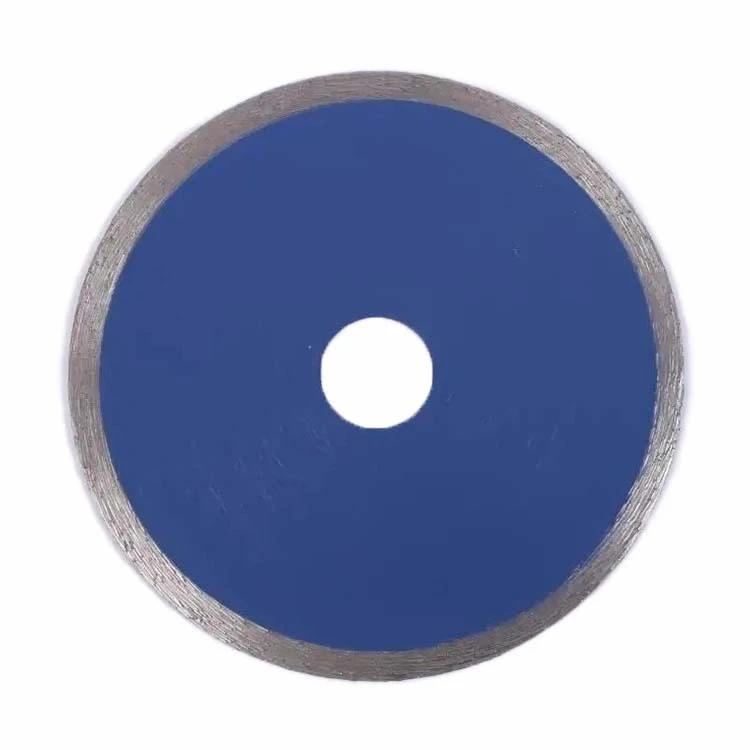
Diamond saw cutting is the most widely used method for cutting granite. It involves using a circular saw blade with diamond-tipped teeth to cut through the stone. Diamond is the hardest known material, making it ideal for cutting through hard materials like granite. There are different types of diamond saw blades available, each designed for specific cutting applications. For example, the High Quality Cold Pressed Turbo Diamond Saw Blade For Cutting Granite is designed for fast and efficient cutting, while the TOP Quality Continuous Diamond Saw Blade For Granite is better suited for precision cutting and finishing.
Water Jet Cutting
Water jet cutting is a non-traditional method of cutting granite that uses a high-pressure stream of water mixed with abrasive particles to cut through the stone. This method is ideal for cutting complex shapes and designs because it allows for precise control and minimal waste. Water jet cutting is also a relatively clean and environmentally friendly method of cutting, as it does not produce dust or fumes. However, it can be more expensive than diamond saw cutting and may not be suitable for large-scale projects.
Laser Cutting
Laser cutting is another non-traditional method of cutting granite that uses a high-powered laser beam to cut through the stone. This method is similar to water jet cutting in that it allows for precise control and minimal waste. Laser cutting is also a very fast and efficient method of cutting, making it ideal for large-scale projects. However, it can be more expensive than diamond saw cutting and may not be suitable for cutting thick pieces of granite.
Tools for Cutting Granite
In addition to the cutting methods mentioned above, there are several tools that are commonly used in the process of cutting granite. These tools include:
Circular Saw
A circular saw is a handheld power tool that is commonly used for cutting granite. It is equipped with a diamond-tipped saw blade and can be used to make straight cuts, bevel cuts, and miter cuts. Circular saws are relatively inexpensive and easy to use, making them a popular choice for DIY projects and small-scale cutting jobs.
Angle Grinder
An angle grinder is another handheld power tool that is commonly used for cutting granite. It is equipped with a diamond-tipped cutting wheel and can be used to make straight cuts, curved cuts, and bevel cuts. Angle grinders are more versatile than circular saws but can be more difficult to control, especially for beginners.
Bridge Saw
A bridge saw is a large, stationary saw that is commonly used for cutting granite in commercial and industrial settings. It is equipped with a diamond-tipped saw blade and can be used to make straight cuts, bevel cuts, and miter cuts. Bridge saws are very powerful and can cut through thick pieces of granite quickly and efficiently. However, they are also very expensive and require a significant amount of space to operate.
Shapes and Designs
Granite can be cut into a wide variety of shapes and designs, limited only by the imagination of the designer and the capabilities of the cutting tools. Some of the most common shapes and designs include:
Rectangles and Squares
Rectangles and squares are the most basic shapes that can be cut from granite. They are commonly used for countertops, vanities, and flooring. Rectangles and squares can be cut to any size and can be finished with a variety of edges, such as bullnose, bevel, and ogee.
Circles and Ovals
Circles and ovals are more complex shapes that can be cut from granite. They are commonly used for table tops, islands, and decorative features. Circles and ovals can be cut using a water jet cutter or a laser cutter, which allows for precise control and a smooth finish.
Custom Shapes and Designs
In addition to the basic shapes and designs mentioned above, granite can also be cut into custom shapes and designs. This is often done for unique projects, such as sculptures, monuments, and architectural features. Custom shapes and designs can be created using a variety of cutting methods and tools, depending on the complexity of the design and the desired finish.
Challenges and Considerations
While granite can be cut into different shapes, there are several challenges and considerations that need to be taken into account. These include:
Hardness and Density
Granite is a very hard and dense material, which makes it difficult to cut. It requires powerful cutting tools and techniques to cut through the stone. In addition, granite is prone to cracking and chipping if not cut properly, which can result in a poor-quality finish.
Edge Finishing
The edge finishing of granite is an important consideration, as it can affect the overall appearance and durability of the stone. There are several types of edge finishes available, each with its own advantages and limitations. The most common edge finishes include bullnose, bevel, ogee, and eased.
Cost
Cutting granite into different shapes can be a costly process, especially for complex shapes and designs. The cost of cutting granite depends on several factors, such as the size and thickness of the stone, the complexity of the design, and the cutting method and tools used.
Conclusion
In conclusion, granite can be cut into different shapes, allowing for endless creative possibilities. The key to successful granite cutting lies in understanding the stone's structure and properties and using the right tools and techniques. Diamond saw cutting is the most widely used method for cutting granite, but water jet cutting and laser cutting are also viable options for cutting complex shapes and designs. As a cutting granite supplier, I am committed to providing high-quality cutting services and products to my customers. If you are interested in learning more about cutting granite or would like to discuss your project, please feel free to contact me. I would be happy to help you bring your vision to life.
References
- "Granite: A Natural Stone Resource." National Stone, Sand & Gravel Association.
- "Cutting Granite: Techniques and Tools." DIY Network.
- "Water Jet Cutting: A Versatile Cutting Method." Water Jet Technology Association.
- "Laser Cutting: A Precision Cutting Method." Laser Institute of America.