As a seasoned supplier in the metal working industry, I've had the privilege of working with various metals, each presenting its own unique challenges and opportunities. Aluminum, in particular, has become a favorite among many due to its lightweight, corrosion-resistant, and highly malleable nature. In this blog, I'll share some insights on how to work with aluminum in metal working, drawing from my years of experience and the latest industry knowledge.
Understanding Aluminum
Before diving into the actual work, it's crucial to understand the properties of aluminum. Aluminum is a soft, ductile metal with a relatively low melting point. It has excellent thermal and electrical conductivity, making it suitable for a wide range of applications, from aerospace to automotive and consumer electronics. However, its softness also means that it can be easily damaged during the working process.
There are different grades of aluminum, each with its own specific properties. For example, 6061 aluminum is a popular choice for general-purpose applications due to its good strength and weldability. 5052 aluminum, on the other hand, is known for its high corrosion resistance and is often used in marine applications. Understanding the grade of aluminum you're working with will help you choose the right tools and techniques.
Choosing the Right Tools
When working with aluminum, using the right tools is essential to ensure a smooth and efficient process. Here are some key tools you'll need:
Cutting Tools
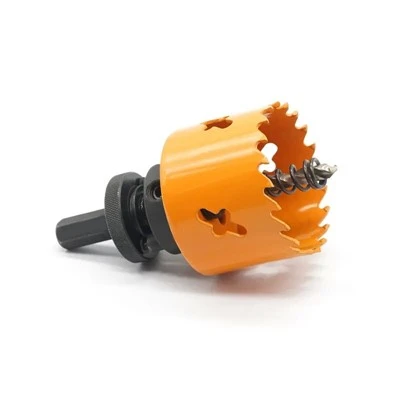
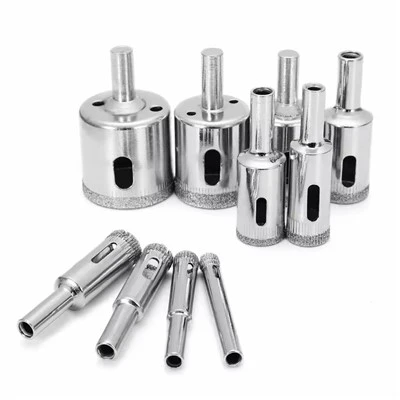
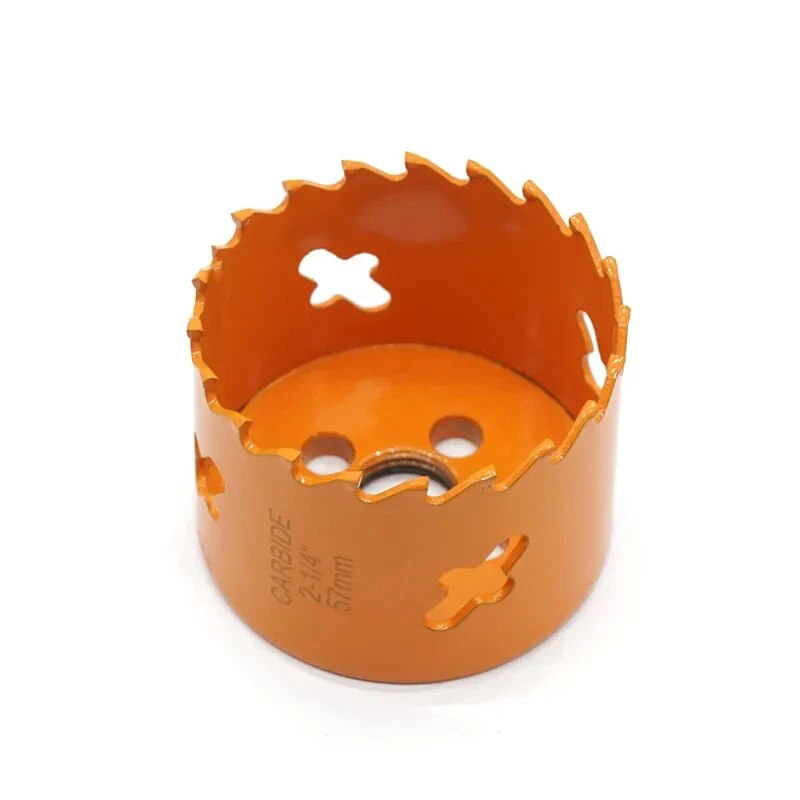
- TCT Hole Saw: For cutting holes in aluminum, a TCT Hole Saw is a great choice. TCT (Tungsten Carbide Tipped) hole saws are designed to cut through hard materials like aluminum with ease. They have sharp teeth that can make clean and precise cuts, reducing the risk of chipping or cracking.
- Bi-metal Hole Saw: Another option is the Bi-metal Hole Saw. Bi-metal hole saws are made of two different metals, which gives them a combination of strength and flexibility. They are suitable for cutting through a variety of materials, including aluminum, and can provide a longer lifespan compared to other types of hole saws.
- CHINA Tools TCT Hole Saw: If you're looking for a cost-effective option, the CHINA Tools TCT Hole Saw is worth considering. These hole saws are made in China and offer good quality at an affordable price. They are designed to cut through aluminum and other metals with precision.
Machining Tools
- End Mills: End mills are used for milling operations, such as cutting slots, pockets, and contours in aluminum. When choosing an end mill for aluminum, look for one with a high helix angle and a sharp cutting edge. This will help to reduce the amount of heat generated during the cutting process and prevent the aluminum from sticking to the tool.
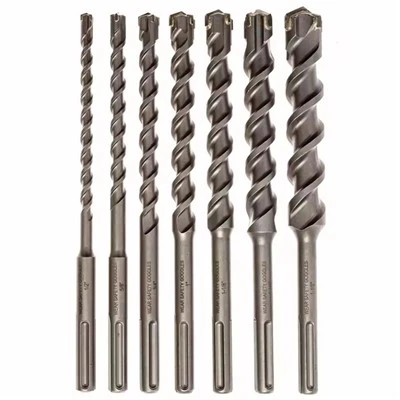
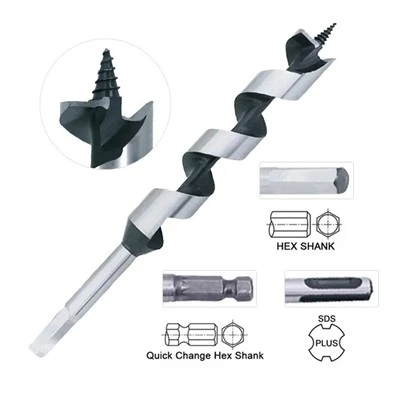
- Drills: For drilling holes in aluminum, use a drill bit specifically designed for the material. High-speed steel (HSS) drill bits are a common choice, but carbide drill bits offer better performance and longer life. Make sure to use a lubricant when drilling aluminum to reduce friction and prevent the drill bit from overheating.
Finishing Tools
- Sandpaper: Sandpaper is used for smoothing and finishing the surface of aluminum. Start with a coarse grit sandpaper to remove any rough edges or imperfections, and then gradually move to a finer grit for a smoother finish.
- Polishing Compounds: Polishing compounds can be used to give aluminum a shiny and reflective surface. Apply the compound to a polishing wheel or cloth and buff the aluminum surface until it reaches the desired level of shine.
Cutting Aluminum
Cutting aluminum requires a different approach compared to cutting other metals. Here are some tips to help you cut aluminum effectively:
Use the Right Cutting Speed
Aluminum has a relatively low melting point, so it's important to use the right cutting speed to prevent the material from melting or sticking to the tool. Generally, a higher cutting speed is recommended for aluminum compared to other metals. However, the exact cutting speed will depend on the type of tool you're using and the thickness of the aluminum.
Apply Lubrication
Lubrication is essential when cutting aluminum to reduce friction and heat generation. You can use a cutting fluid or a lubricant specifically designed for aluminum. Apply the lubricant to the cutting area before starting the cutting process and keep it well-lubricated throughout the operation.
Use a Clamping System
To ensure a clean and precise cut, it's important to secure the aluminum workpiece firmly in place. Use a clamping system to hold the workpiece securely and prevent it from moving during the cutting process. This will help to reduce the risk of chipping or cracking and ensure a smooth and accurate cut.
Machining Aluminum
Machining aluminum involves operations such as milling, turning, and drilling. Here are some tips to help you machine aluminum effectively:
Use Sharp Tools
Using sharp tools is crucial when machining aluminum to prevent the material from sticking to the tool and to ensure a smooth and precise cut. Make sure to keep your tools sharp by regularly sharpening or replacing them.
Control the Feed Rate
The feed rate is the speed at which the tool moves through the material. When machining aluminum, it's important to control the feed rate to prevent the material from overheating and to ensure a smooth and accurate cut. Generally, a higher feed rate is recommended for aluminum compared to other metals. However, the exact feed rate will depend on the type of tool you're using and the thickness of the aluminum.

Use Coolant
Coolant is used to reduce heat generation and prevent the material from melting or sticking to the tool. When machining aluminum, use a coolant specifically designed for the material. Apply the coolant to the cutting area before starting the machining process and keep it well-lubricated throughout the operation.
Finishing Aluminum
Finishing aluminum is an important step to enhance its appearance and protect it from corrosion. Here are some tips to help you finish aluminum effectively:
Sanding
Start by sanding the aluminum surface with a coarse grit sandpaper to remove any rough edges or imperfections. Then, gradually move to a finer grit sandpaper for a smoother finish. Make sure to sand in the same direction to avoid creating scratches or swirl marks.
Polishing
After sanding, you can polish the aluminum surface to give it a shiny and reflective finish. Apply a polishing compound to a polishing wheel or cloth and buff the aluminum surface until it reaches the desired level of shine. Make sure to use a clean and dry cloth to avoid leaving any residue on the surface.
Anodizing
Anodizing is a process that involves creating a protective oxide layer on the surface of aluminum. This layer helps to prevent corrosion and enhance the durability of the material. Anodizing can also be used to change the color of aluminum, giving it a more decorative appearance.
Safety Precautions
Working with aluminum in metal working involves some risks, so it's important to take the necessary safety precautions. Here are some safety tips to keep in mind:
Wear Protective Gear
Always wear protective gear, such as safety glasses, gloves, and a dust mask, when working with aluminum. This will help to protect your eyes, hands, and lungs from any potential hazards.
Use a Ventilation System
Aluminum dust can be harmful if inhaled, so it's important to use a ventilation system to remove the dust from the work area. Make sure to work in a well-ventilated area or use a dust collector to capture the dust.
Follow the Manufacturer's Instructions
When using any tools or equipment, make sure to follow the manufacturer's instructions carefully. This will help to ensure that you're using the tools correctly and safely.
Conclusion
Working with aluminum in metal working can be a rewarding experience, but it requires the right tools, techniques, and safety precautions. By understanding the properties of aluminum, choosing the right tools, and following the tips outlined in this blog, you can work with aluminum effectively and achieve high-quality results.
If you're interested in purchasing tools or materials for working with aluminum, or if you have any questions or need further advice, please don't hesitate to contact us. We're a leading supplier in the metal working industry, and we're committed to providing our customers with the best products and services.
References
- ASM Handbook, Volume 14A: Metalworking: Bulk Forming. ASM International.
- Machinery's Handbook. Industrial Press.
- Aluminum Association. Aluminum Design Manual.