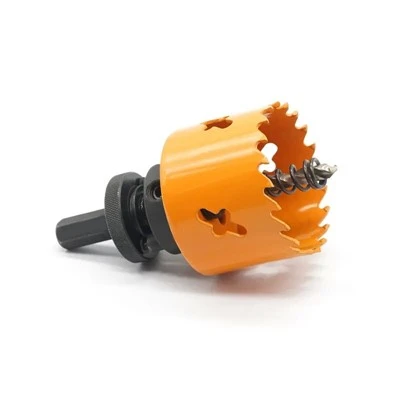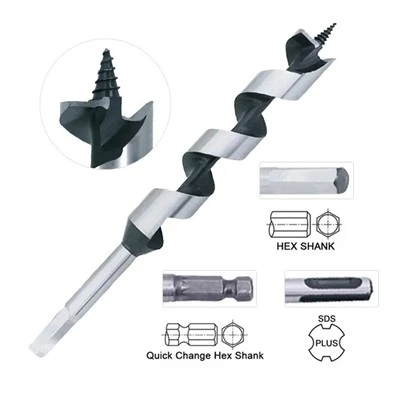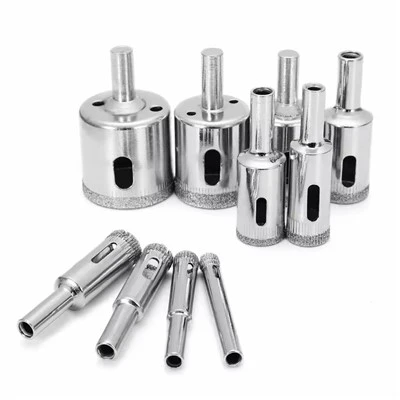
Hey there! As a twist drill bit supplier, I've seen firsthand how the material of the workpiece can have a huge impact on the choice of twist drill bit. In this blog post, I'm gonna break down the key factors and give you some tips on picking the right drill bit for different materials.
Let's start by understanding why the workpiece material matters so much. Different materials have unique properties like hardness, toughness, and brittleness. These properties determine how the drill bit interacts with the material during the drilling process. If you use the wrong drill bit, you might end up with a poor-quality hole, a damaged drill bit, or even a ruined workpiece.

Drilling into Metals
Metals are one of the most common materials drilled, and there are many types of metals out there, each with its own challenges.
Soft Metals (e.g., Aluminum)
Aluminum is a soft metal that's relatively easy to drill. But it has a tendency to stick to the drill bit, which can cause problems like built-up edge and poor chip evacuation. For drilling aluminum, you want a drill bit with a sharp point and a high helix angle. The sharp point helps to penetrate the metal easily, and the high helix angle allows the chips to flow out of the hole smoothly.
Our CHINA Tool HSS Twist Drill Bit For Metal is a great choice for drilling aluminum. It's made of high-speed steel (HSS), which retains its hardness at high temperatures. The sharp cutting edges and optimized flute design ensure efficient chip removal and a clean hole.
Hard Metals (e.g., Stainless Steel)
Stainless steel is a tough nut to crack. It's hard, strong, and has a high work-hardening rate. This means that as you drill, the metal around the hole can become even harder, making it more difficult to continue drilling.
To drill stainless steel, you need a drill bit that can withstand high heat and pressure. Cobalt drill bits are a popular choice because they have excellent heat resistance and hardness. They can maintain their cutting edge even when drilling at high speeds. Another option is to use a titanium-coated drill bit. The titanium coating reduces friction and wear, extending the life of the drill bit.
Drilling into Concrete and Masonry
Concrete and masonry are very hard and abrasive materials. Drilling into them requires a drill bit that can handle the tough conditions.
Drill Bits for Concrete
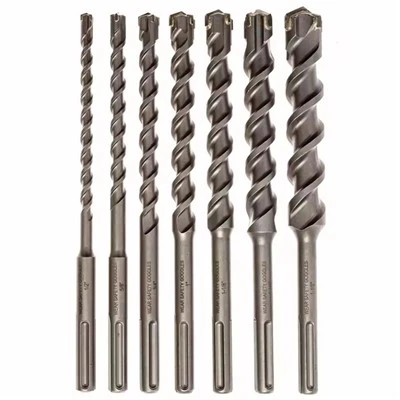
When drilling into concrete, you need a drill bit with a carbide tip. Carbide is an extremely hard material that can withstand the abrasion of the concrete. The tip of the drill bit is designed to break up the concrete as it rotates.
Our DIN345 HSS Taper Shank Twist Drill Bit for Concrete and Hot Sale DIN345 HSS Taper Shank Twist Drill Bit For Concrete are specifically designed for concrete drilling. They have a taper shank that provides a secure fit in the drill chuck, and the carbide tip ensures long-lasting performance.
Drilling into Wood
Wood is a relatively soft material, but there are still some factors to consider when choosing a drill bit for wood.
Softwoods (e.g., Pine)
Softwoods are easy to drill, but they can splinter if you're not careful. For softwoods, a brad point drill bit is a good choice. The brad point has a sharp center point that helps to keep the drill bit on track and reduces the risk of splintering. The flat cutting edges on the sides of the drill bit create a clean hole.
Hardwoods (e.g., Oak)
Hardwoods are denser and more difficult to drill than softwoods. You might need a drill bit with a stronger cutting edge. A twist drill bit with a high helix angle can work well for hardwoods. The high helix angle helps to remove the chips quickly and reduces the heat generated during drilling.
Other Factors to Consider
In addition to the workpiece material, there are a few other factors that can affect the choice of twist drill bit.
Hole Size
The size of the hole you need to drill will determine the diameter of the drill bit. Make sure to choose a drill bit that's the right size for your project. If the drill bit is too small, you might have to enlarge the hole later, which can be time-consuming. If the drill bit is too large, it might be difficult to control and could cause damage to the workpiece.
Drill Speed
The speed at which you drill also matters. Different materials require different drill speeds. Generally, softer materials can be drilled at higher speeds, while harder materials need to be drilled at lower speeds. Refer to the drill bit manufacturer's recommendations for the optimal drill speed for your specific workpiece material.
Lubrication
Using the right lubricant can improve the performance of the drill bit and extend its life. For metal drilling, a cutting fluid can reduce friction and heat, prevent built-up edge, and improve chip evacuation. For wood drilling, a lubricant can help to reduce splintering and make the drilling process smoother.
Conclusion
Choosing the right twist drill bit for your workpiece material is crucial for achieving a high-quality hole and getting the most out of your drill bit. By considering the properties of the material, the hole size, the drill speed, and the need for lubrication, you can make an informed decision.
If you're in the market for twist drill bits, we've got you covered. Our wide range of drill bits is designed to meet the needs of different materials and applications. Whether you're drilling metal, concrete, wood, or any other material, we have the right drill bit for you.
Don't hesitate to reach out if you have any questions or need help choosing the right drill bit for your project. We're here to assist you and make sure you get the best results. Let's start a conversation and find the perfect drill bit solution for you!
References
- Machinery's Handbook, 31st Edition
- Drill Bit Manufacturer's Technical Guides