

Hey there, metalworking enthusiasts! As a supplier in the metalworking industry, I know firsthand how frustrating it can be to deal with metal warping during welding. It's not only a headache but can also lead to significant losses in terms of time, materials, and money. In this blog, I'm going to share some tips and tricks on how to prevent metal warping during welding, based on my years of experience in the field.
Understanding Metal Warping
Before we dive into the prevention methods, let's first understand what causes metal warping during welding. When you weld metal, the heat from the welding process causes the metal to expand. As the metal cools down, it contracts. If the expansion and contraction are not uniform across the metal piece, it can lead to warping. This uneven expansion and contraction can be caused by several factors, including the type of metal, the welding technique, the welding speed, and the heat input.
Choosing the Right Metal
The type of metal you choose can have a significant impact on the likelihood of warping during welding. Some metals are more prone to warping than others due to their thermal properties. For example, metals with a high coefficient of thermal expansion, such as aluminum and copper, are more likely to warp during welding compared to metals with a low coefficient of thermal expansion, such as steel.
When selecting metal for your welding project, consider the application and the welding process you'll be using. If you're working on a project where warping is a critical concern, choose a metal with a low coefficient of thermal expansion. Additionally, make sure the metal is clean and free of any contaminants, as these can also affect the welding process and increase the risk of warping.
Preheating the Metal
Preheating the metal before welding can help reduce the risk of warping. By preheating the metal, you can minimize the temperature difference between the welded area and the surrounding metal, which helps to reduce the stress caused by the expansion and contraction during the welding process.
The preheating temperature and time will depend on the type and thickness of the metal. As a general rule, thicker metals require higher preheating temperatures and longer preheating times. You can use a torch or a preheating oven to preheat the metal. Make sure to preheat the metal evenly to avoid creating hot spots, which can also lead to warping.
Using the Right Welding Technique
The welding technique you choose can also play a crucial role in preventing metal warping. There are several welding techniques available, each with its own advantages and disadvantages. Some techniques, such as TIG (Tungsten Inert Gas) welding, are known for producing less heat and less distortion compared to other techniques, such as MIG (Metal Inert Gas) welding.
When selecting a welding technique, consider the type and thickness of the metal, as well as the desired weld quality. If you're working on a thin piece of metal, a low-heat welding technique like TIG welding may be a better choice to minimize the risk of warping. On the other hand, if you're working on a thick piece of metal, a high-heat welding technique like MIG welding may be more appropriate, but you'll need to take extra precautions to prevent warping.
Controlling the Heat Input
Controlling the heat input during welding is essential to prevent metal warping. The heat input is determined by several factors, including the welding current, voltage, and speed. A high heat input can cause the metal to expand and contract more rapidly, increasing the risk of warping.
To control the heat input, you can adjust the welding parameters based on the type and thickness of the metal. For example, if you're welding a thin piece of metal, you may need to use a lower welding current and a higher welding speed to reduce the heat input. Conversely, if you're welding a thick piece of metal, you may need to use a higher welding current and a lower welding speed to ensure proper penetration.

Using Jigs and Fixtures
Jigs and fixtures are tools that can help hold the metal in place during welding, preventing it from moving and warping. They can also help to distribute the heat evenly across the metal piece, reducing the risk of uneven expansion and contraction.
When using jigs and fixtures, make sure they are properly designed and fabricated to fit the specific requirements of your welding project. They should be able to hold the metal securely in place without causing any damage or distortion. Additionally, make sure to clean and maintain the jigs and fixtures regularly to ensure their effectiveness.
Post-Weld Heat Treatment
Post-weld heat treatment can help relieve the stress in the welded metal and reduce the risk of warping. There are several types of post-weld heat treatment, including annealing, normalizing, and tempering. The type of heat treatment you choose will depend on the type of metal and the specific requirements of your welding project.
Annealing involves heating the welded metal to a specific temperature and then cooling it slowly to relieve the stress and improve the ductility of the metal. Normalizing involves heating the welded metal to a higher temperature and then cooling it in air to refine the grain structure and improve the mechanical properties of the metal. Tempering involves heating the welded metal to a lower temperature and then cooling it to reduce the hardness and brittleness of the metal.
Using the Right Tools
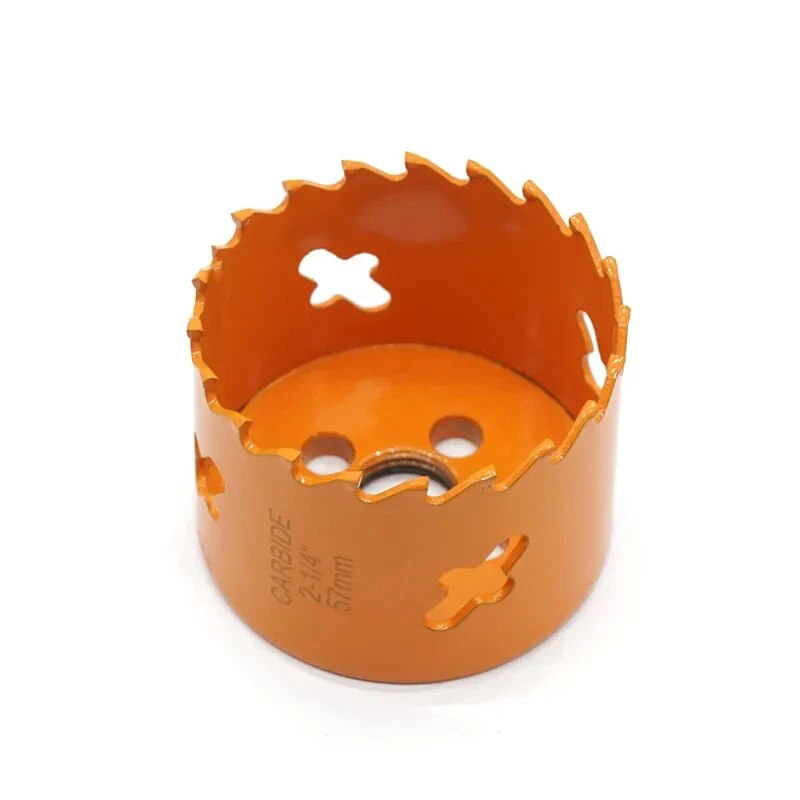
Using the right tools can also help prevent metal warping during welding. For example, using a high-quality Hot Sale TCT Hole Saw can help you make clean and accurate holes in the metal, reducing the need for additional welding and minimizing the risk of warping. Similarly, using a CHINA Tools TCT Hole Saw or a Bi-metal Hole Saw can also provide you with the precision and durability you need for your metalworking projects.
Conclusion
Preventing metal warping during welding requires a combination of proper planning, the right materials, the right welding techniques, and the right tools. By following the tips and tricks outlined in this blog, you can minimize the risk of warping and ensure the success of your welding projects.
If you're interested in learning more about metalworking or if you're looking for high-quality metalworking tools and supplies, don't hesitate to contact me. I'm here to help you with all your metalworking needs and to provide you with the best products at the best prices. Let's work together to take your metalworking projects to the next level!
References
- AWS Welding Handbook, Volume 1: Welding Science and Technology, American Welding Society
- Welding Metallurgy, John C. Lippold and David L. Kotecki, Wiley
- Metal Fabrication Technology, Robert H. Todd, Delmar Cengage Learning






