

What is the stability of the Special Model?
As a supplier of Special Models, I am often asked about the stability of these unique products. Stability is a crucial factor that can significantly impact the performance, durability, and overall user experience of our Special Models. In this blog, I will delve into the concept of stability in the context of our Special Models, exploring what it means, why it matters, and how we ensure it in our products.
Understanding the Concept of Stability
Stability, in the context of our Special Models, refers to the ability of the product to maintain its performance, shape, and functionality over time and under various operating conditions. A stable Special Model is one that can consistently deliver reliable results, resist wear and tear, and adapt to different environments without significant degradation.
There are several aspects to consider when evaluating the stability of a Special Model:
- Mechanical Stability: This pertains to the physical structure and integrity of the product. A mechanically stable Special Model is designed to withstand the forces and stresses it will encounter during operation. For example, in the case of cutting tools like the T-shape 10T Segment Diamond Tuck Point Saw Blade, mechanical stability ensures that the blade maintains its shape and sharpness, even when cutting through hard materials.
- Thermal Stability: Many of our Special Models are used in applications where they are exposed to high temperatures. Thermal stability is the ability of the product to maintain its performance and integrity under these elevated temperatures. For instance, in grinding wheels, thermal stability prevents the wheel from cracking or losing its abrasive properties due to heat generated during the grinding process.
- Chemical Stability: Some Special Models may come into contact with various chemicals during their use. Chemical stability ensures that the product is resistant to corrosion, degradation, or other chemical reactions that could affect its performance. This is particularly important for products used in industrial or chemical processing environments.
- Operational Stability: This refers to the consistency of the product's performance during normal operation. An operationally stable Special Model will provide consistent results, with minimal variation in its output. For example, a 125 Sepcial Mode that is operationally stable will produce the same quality of work every time it is used.
Why Stability Matters
The stability of our Special Models is of utmost importance for several reasons:
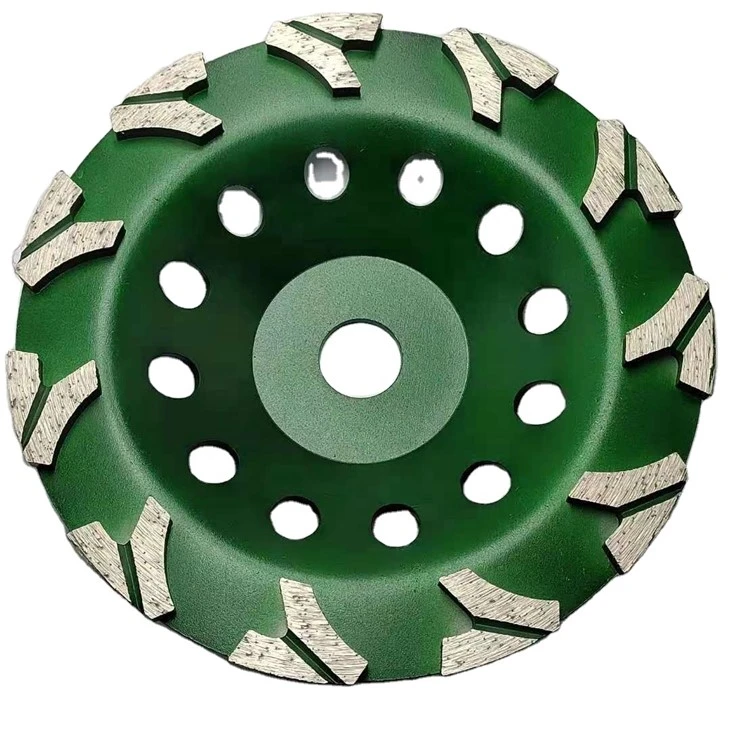
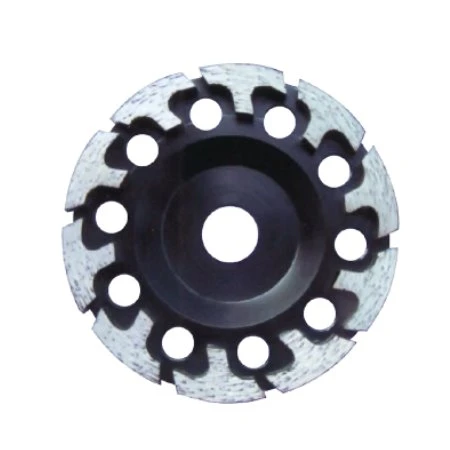
- Reliability: A stable product is a reliable product. Customers rely on our Special Models to perform their intended functions consistently and without fail. Whether it's a cutting tool for a manufacturing process or a grinding wheel for a construction project, stability ensures that the product can be counted on to deliver the desired results.
- Safety: In many applications, the stability of a Special Model is directly related to safety. For example, a stable cutting blade is less likely to break or malfunction during use, reducing the risk of accidents and injuries. Similarly, a stable grinding wheel is less likely to cause uneven grinding or kickback, which can also pose safety hazards.
- Cost-Effectiveness: Stable products tend to have a longer lifespan and require less maintenance. This translates into cost savings for our customers in the long run. By investing in a stable Special Model, customers can avoid the need for frequent replacements and repairs, reducing their overall operating costs.
- Customer Satisfaction: Ultimately, the stability of our Special Models directly impacts customer satisfaction. When customers receive a product that performs well and lasts a long time, they are more likely to be satisfied with their purchase and become repeat customers.
Ensuring Stability in Our Special Models
At our company, we take several steps to ensure the stability of our Special Models:
- Quality Materials: We use high-quality materials in the manufacturing of our Special Models. These materials are carefully selected for their mechanical, thermal, and chemical properties to ensure that the products can withstand the rigors of their intended applications. For example, in the production of our 4inch-t-shape products, we use high-grade diamonds and other abrasives to ensure durability and performance.
- Advanced Manufacturing Processes: We employ advanced manufacturing techniques to ensure the precision and consistency of our Special Models. These processes are designed to minimize variations in the product's dimensions, shape, and performance. For example, we use computer numerical control (CNC) machining to produce our cutting tools with high accuracy and repeatability.
- Rigorous Testing: Before our Special Models are released to the market, they undergo rigorous testing to ensure their stability and performance. We test the products under various conditions, including different temperatures, pressures, and loads, to simulate real-world operating environments. This allows us to identify and address any potential issues before the products reach our customers.
- Continuous Improvement: We are committed to continuous improvement in our products and processes. We regularly review and analyze customer feedback, as well as the results of our testing and research, to identify areas for improvement. By constantly refining our products and processes, we can enhance the stability and performance of our Special Models over time.
Conclusion
The stability of our Special Models is a critical factor that determines their performance, reliability, and overall value. By understanding the concept of stability, recognizing its importance, and taking steps to ensure it in our products, we can provide our customers with high-quality Special Models that meet their needs and expectations.
If you are interested in learning more about our Special Models or have any questions regarding their stability, we encourage you to contact us for a procurement discussion. Our team of experts is ready to assist you in finding the right Special Model for your specific application.
References
- [List any relevant industry standards, research papers, or other sources of information that you used in writing this blog]






